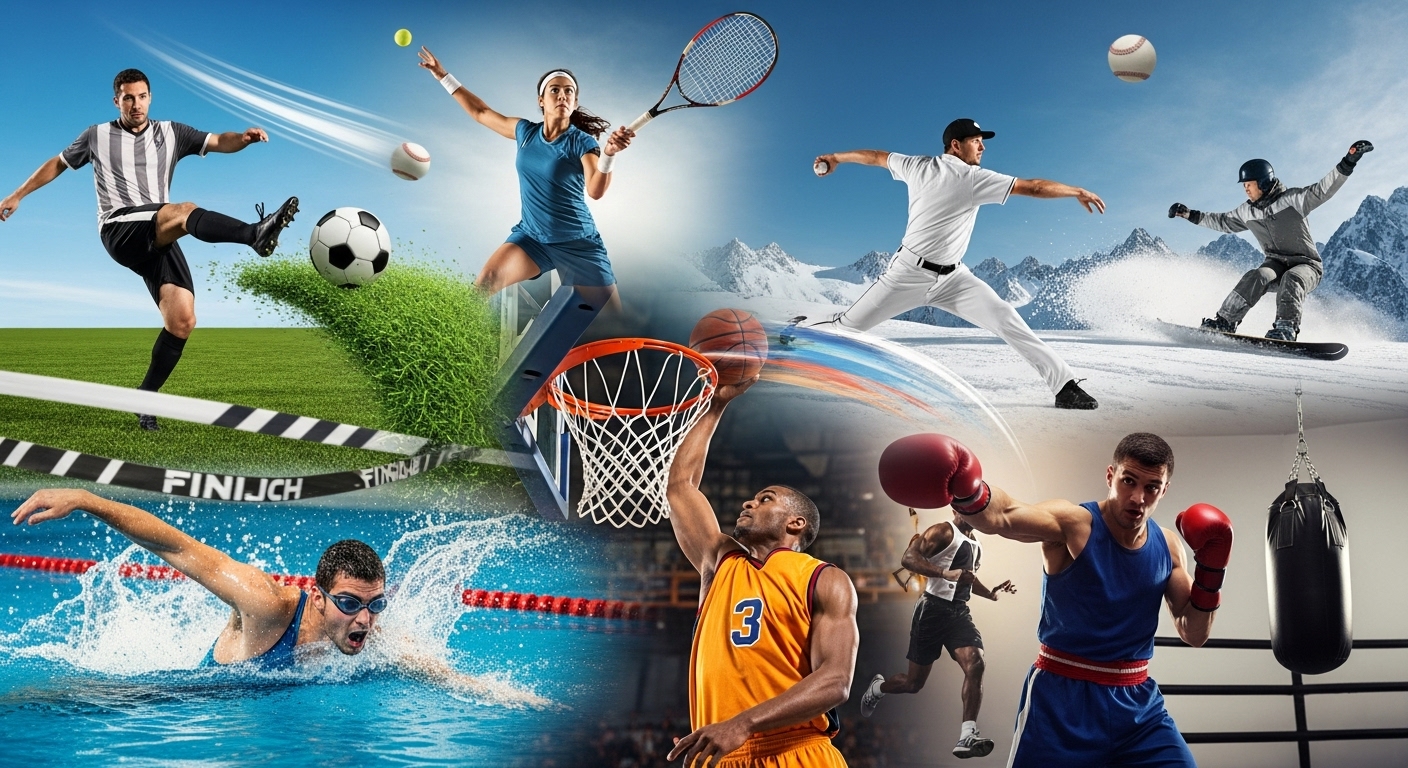
Introduction: The Universal Language of Sports
Sports have been a cornerstone of human culture for centuries, offering more than just physical activity. They represent a unique blend of competition, discipline, entertainment, and social connection. Across nations and generations, sports bring people together, inspire individual achievement, and foster communal pride. From local playgrounds to global stadiums, sports are a universal language that transcends cultural and linguistic boundaries. Beyond the thrill of victory and the agony of defeat, sports have the power to shape personal growth, community identity, and societal values.
The Historical Roots of Sports
The history of sports is as old as civilization itself. Ancient societies, from the Greeks to the Egyptians, engaged in organized physical contests to test skill, strength, and strategy. The Olympic Games, originating in ancient Greece, exemplified the ideals of discipline, honor, and fair competition. Indigenous communities worldwide also developed unique sports that reflected cultural traditions and social norms. Over centuries, these activities evolved into structured competitions with codified rules, eventually forming the modern sports industry that combines tradition with contemporary innovation.
Physical Benefits of Sports
Participation in sports promotes overall health and physical fitness. Activities such as running, swimming, or team games improve cardiovascular endurance, strength, flexibility, and coordination. Regular physical activity helps prevent chronic illnesses, supports weight management, and strengthens the immune system. For young people, sports play a vital role in development, encouraging healthy habits that last into adulthood. The physical benefits of sports are foundational, making athletic participation an essential component of a healthy lifestyle.
Mental and Emotional Benefits
Sports also enhance mental and emotional well-being. Engaging in athletic activities reduces stress, anxiety, and symptoms of depression. The challenges and successes experienced in sports foster resilience, confidence, and emotional regulation. Goal-setting, visualization, and focus required in sports sharpen cognitive skills and enhance problem-solving abilities. The mental benefits complement physical training, demonstrating that sports nurture both the body and the mind.
Team Sports and Social Skills
Team sports, such as football, basketball, and volleyball, emphasize collaboration, communication, and collective strategy. Players learn to coordinate actions, support teammates, and adapt to dynamic situations. These experiences foster leadership, empathy, and accountability, as individual effort directly impacts the team’s success. Beyond skill development, team sports create social bonds, strengthen friendships, and cultivate a sense of community. The lessons learned on the field often translate into valuable life skills, preparing participants for professional and personal challenges.
Individual Sports and Personal Growth
While team sports focus on collaboration, individual sports such as tennis, athletics, swimming, and gymnastics emphasize self-discipline, goal-setting, and personal responsibility. Success depends largely on the athlete’s dedication, focus, and mental strength. Individual sports teach resilience in the face of failure, self-motivation, and perseverance. These disciplines nurture character and build confidence, offering opportunities for personal development that extend far beyond competition.
Sports as a Cultural Phenomenon
Sports are deeply embedded in culture and identity. Iconic athletes, historic matches, and legendary teams often become symbols of national pride and social cohesion. Major events such as the Olympic Games, FIFA World Cup, and international cricket tournaments unite diverse populations in collective celebration. Sports influence art, music, fashion, and media, reflecting societal values and aspirations. The cultural resonance of sports highlights their role not just as games, but as powerful forces shaping collective identity and shared experiences.
The Role of Technology in Modern Sports
Technological innovation has transformed how sports are played, viewed, and analyzed. Video-assisted refereeing ensures fairness, wearable technology monitors athlete performance, and advanced analytics inform strategy. Streaming services and digital platforms make sports accessible to global audiences, while virtual reality and augmented reality offer immersive experiences for fans and players alike. Technology has enhanced the precision, inclusivity, and entertainment value of sports, ensuring their continued evolution and relevance in the modern world.
Sports and Education
Participation in sports complements formal education by fostering discipline, teamwork, and time management. Schools and universities incorporate sports programs to teach life skills alongside academic knowledge. Athletic programs encourage inclusivity, promote leadership, and provide students with avenues for personal achievement. Many institutions also offer scholarships and competitive opportunities, validating sports as a pathway to higher education and professional development. Through education, sports become a tool for shaping well-rounded individuals prepared for diverse challenges.
Economic Impact of Sports
Sports generate significant economic activity globally. Professional leagues, merchandise sales, ticket revenue, media rights, and sponsorship deals contribute billions to national and international economies. Sporting events stimulate tourism, create employment opportunities, and drive infrastructure development. Beyond direct economic benefits, sports also encourage community investment, youth programs, and local recreational facilities. The economic influence of sports demonstrates their value not only as entertainment but also as engines of growth and development.
Women in Sports: Breaking Barriers
The presence and recognition of women in sports have increased dramatically over recent decades. Female athletes now compete at elite levels, inspire global audiences, and challenge traditional gender roles. Women’s participation promotes equality, inclusivity, and empowerment. Organizations, leagues, and media coverage are progressively providing opportunities for women to excel. Celebrating female athletes fosters role models for younger generations and highlights the importance of diversity and representation in sports culture.
Sports and Community Building
Sports foster a strong sense of community and belonging. Local leagues, recreational activities, and fan organizations connect individuals through shared passion. Community engagement in sports encourages inclusivity, cooperation, and cultural exchange. Sporting events create collective memories, strengthen neighborhood bonds, and provide social cohesion. By uniting diverse groups around a common interest, sports serve as a powerful tool for building resilient, connected communities.
Sports and Social Change
Sports have historically acted as catalysts for social progress. Athletes have leveraged their platforms to advocate for equality, education, human rights, and environmental awareness. Iconic moments in sports history have challenged racial, gender, and socioeconomic barriers, inspiring generations to pursue fairness and justice. Through advocacy and representation, sports transcend entertainment, influencing societal norms and driving meaningful change in communities worldwide.
Psychological Aspects of Sports
Success in sports relies heavily on mental strength. Athletes must maintain focus, manage pressure, and navigate setbacks. Psychological preparation, including visualization, mindfulness, and goal-setting, is critical for peak performance. Sports psychology emphasizes that mental toughness, confidence, and emotional resilience are as important as physical skill. Understanding the psychological components of competition enhances both performance and overall well-being for athletes of all levels.
The Future of Sports
The future of sports is poised for innovation and growth. Emerging technologies, such as virtual reality, augmented reality, and artificial intelligence, will redefine participation and spectatorship. Globalization and digital platforms will make sports more accessible, engaging, and interactive. Inclusivity initiatives will expand opportunities for women, differently-abled athletes, and underrepresented communities. As sports continue to evolve, they will remain a vital medium for physical health, social engagement, and cultural exchange.
Conclusion: The Enduring Impact of Sports
Sports are more than games; they are a reflection of human ambition, culture, and connection. They nurture physical fitness, mental resilience, and social skills while uniting people across boundaries. From grassroots initiatives to professional leagues, sports inspire personal achievement, community cohesion, and societal progress. Their enduring appeal lies in the lessons they teach—discipline, teamwork, perseverance, and fairness. In every match, race, or game, sports remind us of the human spirit’s capacity for growth, excellence, and unity.
Leave a Reply