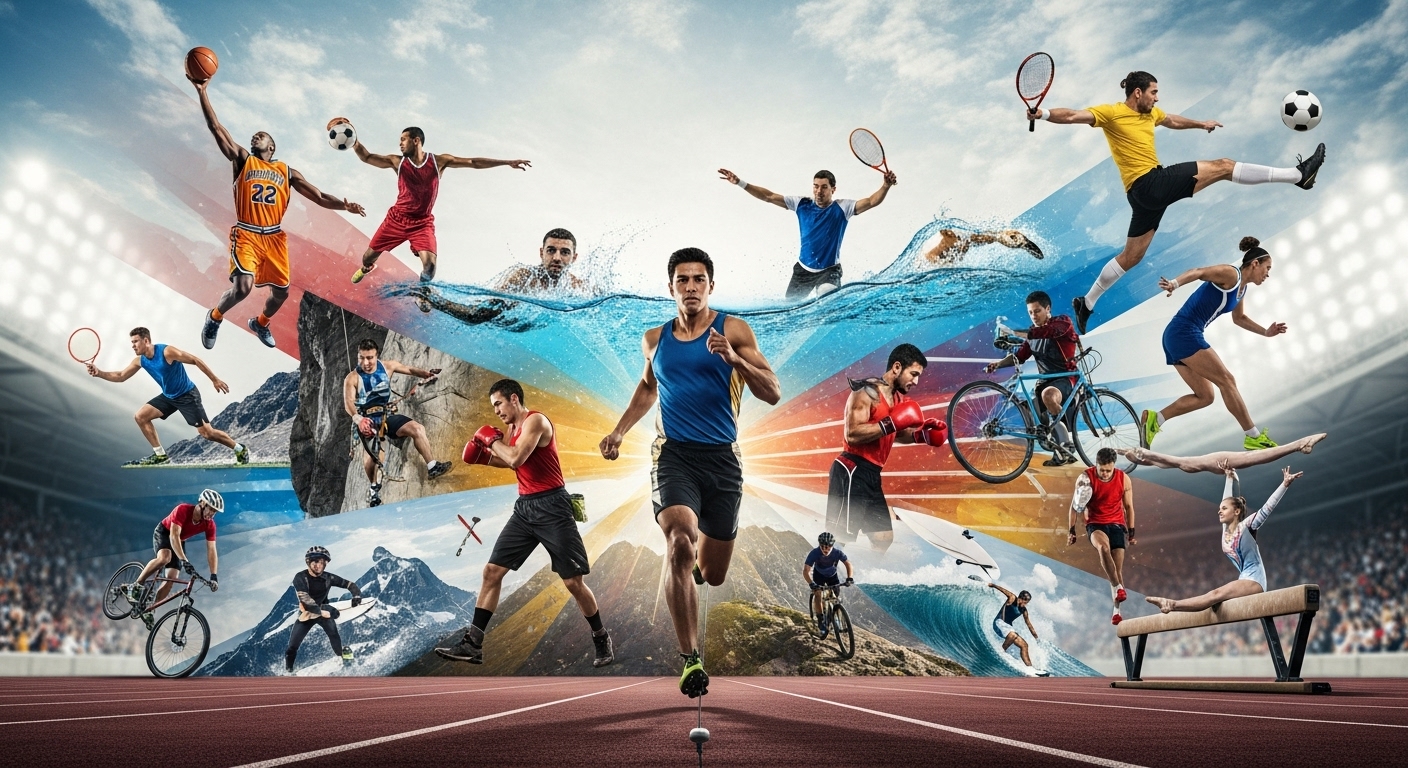
Sports have always been a fundamental part of human society. From ancient civilizations to modern-day stadiums, sports have played a crucial role in shaping cultures, building communities, and inspiring millions around the globe. The essence of sports goes far beyond winning trophies or breaking records; it embodies perseverance, teamwork, discipline, and the relentless pursuit of excellence. In this blog, we delve deep into the world of sports, exploring its history, impact, evolution, and the various dimensions that make it a universal passion.
The Origins of Sports
Sports are as old as humanity itself. Ancient societies engaged in physical competitions not only as entertainment but also as preparation for survival and warfare. Archaeological evidence shows that ancient Egyptians practiced forms of wrestling and swimming, while Greeks held the first organized Olympic Games in 776 BCE, which celebrated athletic excellence and honored the gods. Similarly, indigenous peoples worldwide developed unique sports tailored to their environment, such as lacrosse by Native Americans or spear-throwing competitions in Africa.
The primary purpose of these early sports was multifaceted: improving physical abilities, strengthening communities, and passing on traditions. Over time, sports evolved from ritualistic practices to organized competitions, gaining recognition as a source of pride, identity, and personal achievement.
The Psychological Impact of Sports
Engaging in sports is not only beneficial for the body but also for the mind. Regular physical activity improves mental health, reducing stress, anxiety, and depression. Participating in sports fosters discipline, patience, and resilience—qualities that extend beyond the field. Athletes often face high-pressure situations that demand quick decision-making, focus, and emotional control. These experiences translate into enhanced problem-solving skills, improved concentration, and stronger interpersonal abilities.
Sports also cultivate confidence and self-esteem. Achieving a personal milestone, whether scoring a goal, breaking a personal record, or winning a match, reinforces a sense of accomplishment and motivates individuals to strive for further success. In team sports, athletes learn cooperation, communication, and empathy, all of which are essential in both personal and professional life.
Physical Benefits of Sports
The physical advantages of sports are undeniable. Regular participation in athletic activities strengthens the cardiovascular system, improves flexibility, enhances muscular strength, and supports healthy weight management. Sports also play a vital role in bone health, reducing the risk of osteoporosis and other degenerative conditions later in life.
For children and adolescents, sports contribute to healthy growth and development. They promote proper motor skills, coordination, and agility while instilling habits of active living. For adults, sports act as a preventive measure against chronic diseases like diabetes, hypertension, and obesity. Even older adults benefit, as sports help maintain mobility, balance, and cognitive function.
The Role of Sports in Society
Sports serve as a powerful social glue, uniting people across age, gender, and cultural boundaries. Major sporting events like the FIFA World Cup, the Olympics, or regional championships captivate billions, fostering a shared sense of identity and collective enthusiasm. Sports have the ability to inspire nations, spark patriotism, and provide a platform for social change.
Beyond entertainment, sports create opportunities for education, employment, and social mobility. They encourage inclusivity, promote gender equality, and challenge stereotypes. Athletes often become role models, inspiring the younger generation to adopt healthy lifestyles and pursue their dreams relentlessly. Moreover, sports cultivate community spirit, as local teams bring neighborhoods together, organize events, and create a sense of belonging.
Evolution of Modern Sports
The transformation of sports from informal recreational activities to organized professional spectacles is remarkable. The Industrial Revolution and advancements in technology paved the way for standardized rules, specialized equipment, and professional leagues. Innovations such as stadium lighting, digital scoreboards, and broadcast technology have made sports more accessible and engaging for global audiences.
The rise of professional athletes, sports clubs, and international tournaments has created a structured ecosystem where talent meets opportunity. Sponsorships, endorsements, and media rights have turned sports into a billion-dollar industry, driving economic growth while attracting fans worldwide. Sports are no longer just games; they have become a global cultural phenomenon, blending competition, entertainment, and business.
Team Sports vs. Individual Sports
Sports can broadly be categorized into team sports and individual sports, each offering unique experiences and benefits.
Team sports like football, basketball, and volleyball emphasize cooperation, communication, and shared responsibility. Players must work together, strategize collectively, and support one another to achieve a common goal. The camaraderie built in team sports fosters strong interpersonal skills and long-lasting friendships.
Individual sports such as tennis, swimming, or athletics focus on personal discipline, self-reliance, and mental fortitude. Success depends on individual effort, decision-making, and performance under pressure. While individual sports cultivate independence and accountability, they also instill resilience, as athletes often confront challenges and setbacks alone.
Both forms of sports are essential, offering diverse pathways for growth, enjoyment, and personal development.
Sports and Technology
Technology has revolutionized the way sports are played, watched, and analyzed. Modern equipment enhances performance, safety, and accuracy. Innovations like wearable fitness trackers, motion sensors, and video replay systems provide athletes and coaches with precise data to improve training and strategy.
Broadcasting technology, streaming platforms, and virtual reality have transformed fan experiences, allowing global audiences to witness live matches from anywhere in real-time. Additionally, social media platforms have created interactive spaces where fans engage, share opinions, and celebrate sporting achievements. Technology has not only enhanced the quality of sports but also democratized access, bringing the world closer to the thrill of competition.
Iconic Athletes Who Changed the Game
History is replete with athletes whose talent, determination, and charisma have transcended sports. Legends like Muhammad Ali, Serena Williams, Michael Jordan, Lionel Messi, and Usain Bolt have left an indelible mark on the world of sports. Their achievements go beyond records and championships—they embody perseverance, resilience, and the relentless pursuit of excellence.
These athletes serve as sources of inspiration, showing that dedication, hard work, and belief in oneself can overcome obstacles. They also highlight the cultural and social impact of sports, influencing generations, breaking barriers, and fostering global unity.
Sports as a Tool for Social Change
Sports have a unique ability to address social issues and promote positive change. Initiatives like youth sports programs, community leagues, and charity events use athletic activities to empower individuals, encourage education, and foster inclusivity. Athletes often leverage their influence to advocate for equality, environmental sustainability, and humanitarian causes.
Historically, sports have played a pivotal role in breaking racial, gender, and cultural barriers. Iconic moments, such as the desegregation of sports teams or the rise of women in professional leagues, demonstrate how sports can challenge societal norms and advance progress. Through teamwork, discipline, and fair competition, sports promote values that extend far beyond the playing field.
Challenges in Modern Sports
Despite the many benefits, sports face significant challenges in the modern era. Issues such as doping, corruption, match-fixing, and commercialization threaten the integrity of athletic competitions. Pressure to win at all costs sometimes compromises ethical standards and athlete well-being.
Additionally, access to sports remains unequal in many parts of the world. Socioeconomic barriers, lack of infrastructure, and gender discrimination limit opportunities for aspiring athletes. Addressing these challenges requires collaboration between governments, sports organizations, communities, and athletes themselves to ensure that sports remain fair, inclusive, and empowering.
The Future of Sports
The future of sports is poised for remarkable transformation. Emerging trends like e-sports, virtual competitions, and advanced analytics are reshaping the landscape of athletic engagement. Sustainability is becoming a key focus, with eco-friendly stadiums, responsible event management, and environmentally conscious practices gaining prominence.
As society evolves, sports will continue to reflect cultural shifts, technological advancements, and human aspirations. They will remain a powerful medium for entertainment, health, education, and social connection. The passion for sports is universal, transcending borders and generations, promising a future filled with innovation, inspiration, and shared joy.
Conclusion: More Than Just a Game
Sports are far more than just games played on fields, courts, or tracks. They are a reflection of human ambition, resilience, and creativity. They inspire individuals to push beyond their limits, foster communities to unite, and teach values that resonate throughout life.
From ancient traditions to modern spectacles, sports have evolved, adapted, and flourished, touching every aspect of society. They provide joy, excitement, and a sense of belonging, creating memories that last a lifetime. Whether participating, coaching, or cheering from the stands, the world of sports invites everyone to be part of a story that celebrates determination, teamwork, and the indomitable human spirit.
In the end, sports remind us of one timeless truth: that through dedication, passion, and perseverance, we can overcome challenges, achieve greatness, and experience the purest form of human expression. The love for sports is universal, eternal, and undeniably powerful.
Leave a Reply