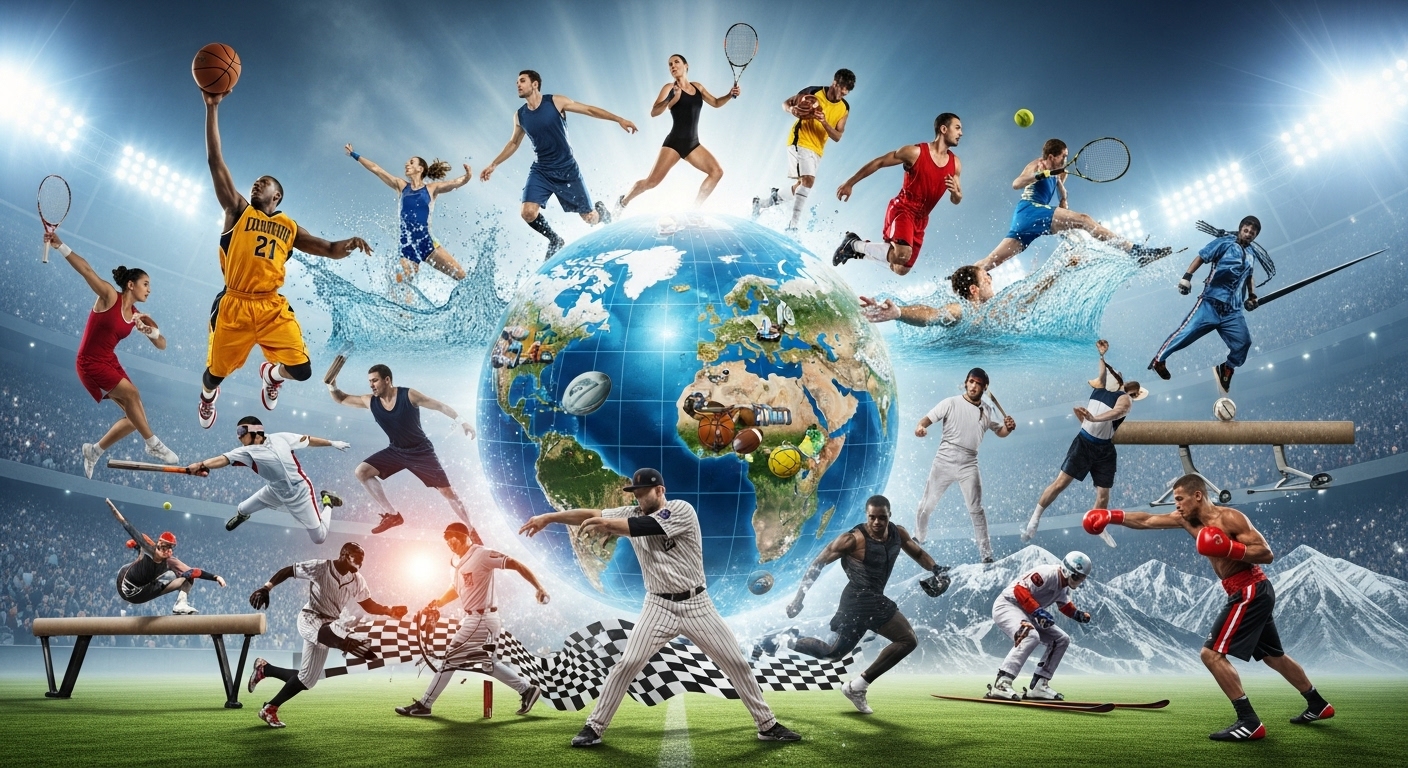
Introduction: Sports as a Reflection of Humanity
Sports are far more than competitions or recreational activities. They are a mirror of human ambition, resilience, and creativity. From the roar of a stadium to the quiet focus of a lone runner, sports influence our lives in profound ways. They teach discipline, build character, and foster connections that transcend geography, culture, and language.
Beyond entertainment, sports shape identity, strengthen communities, and inspire generations. The passion they ignite is universal, bridging differences and celebrating human potential. In this blog, we explore how sports impact individuals, societies, and the world at large, highlighting their role as a vital force in human life.
The Origins and Evolution of Sports
Sports have existed for thousands of years, evolving alongside human civilization. Early humans engaged in physical activities like running, hunting, and wrestling, which helped develop survival skills. These activities gradually transformed into competitive games and organized athletic events.
Ancient civilizations placed significant importance on sports. The Greeks formalized competitions through the Olympic Games, emphasizing physical excellence, honor, and discipline. In medieval times, sports were often linked to martial skills and social hierarchy, including jousting and archery for the nobility.
The industrial era brought structure and professionalism to sports. Standardized rules, leagues, and clubs emerged, transforming local pastimes into organized competitions. Today, sports have become a global phenomenon, watched, celebrated, and participated in by millions around the world.
The Emotional Power of Sports
One of the most remarkable aspects of sports is their emotional resonance. Whether watching or playing, sports evoke feelings of excitement, anticipation, joy, and even heartbreak. A thrilling comeback, a record-breaking performance, or a last-second victory can create lifelong memories.
This emotional connection goes beyond simple entertainment. Fans feel a deep sense of identity and belonging through their teams, players, and communities. For athletes, the highs and lows of competition foster resilience, mental toughness, and emotional intelligence. Sports are a unique arena where emotions are raw, shared, and transformative.
Personal Growth Through Sports
Participation in sports contributes to personal development in profound ways.
Discipline and Commitment: Consistent training routines and practice schedules instill discipline, teaching that success is earned through effort and persistence.
Teamwork and Communication: Team sports foster collaboration, trust, and effective communication. Players learn to work toward shared goals while respecting the contributions of others.
Resilience and Mental Toughness: Facing setbacks, injuries, and losses builds resilience, helping individuals navigate challenges both on and off the field.
Confidence and Self-Belief: Achieving milestones, whether in practice or competition, boosts self-esteem and encourages individuals to pursue greater goals in life.
Sports are more than games; they are platforms for shaping character, building confidence, and preparing individuals for life’s challenges.
Sports as a Social Unifier
Sports have the remarkable ability to unite communities. Local leagues, school teams, and neighborhood tournaments create spaces for people to connect, share experiences, and build lasting relationships.
Communities rally behind teams, generating a collective sense of pride and identity. Sporting events encourage social interaction, inclusivity, and cooperation. They also serve as platforms for promoting equality, teaching values such as fairness and respect, and fostering civic engagement.
Sports can even bridge cultural and societal gaps. International competitions, such as the World Cup or the Olympics, bring people together, celebrating diversity and common humanity.
The Global Impact of Sports
The influence of sports extends far beyond local or national borders. International tournaments showcase talent, culture, and unity on a global stage, inspiring millions of fans and aspiring athletes worldwide.
Economically, sports have become a multi-billion-dollar industry. They generate revenue through ticket sales, merchandise, sponsorships, broadcasting rights, and tourism. Stadiums, events, and training facilities create employment and stimulate local economies. Sports are not just games; they are powerful drivers of social and economic development, influencing communities worldwide.
Technology and Modern Sports
The role of technology in sports has grown immensely. Innovations have transformed training, competition, and fan engagement.
Advanced Training Methods: Wearables, performance tracking, and video analytics help athletes optimize their skills, prevent injuries, and achieve peak performance.
Fairness and Accuracy: Technologies like instant replay, goal-line sensors, and digital scoring systems ensure fair play and transparency.
Fan Engagement: Digital platforms, virtual reality, and interactive apps allow fans to experience sports in immersive ways, connecting them more closely with athletes and teams.
Data-Driven Strategies: Coaches and athletes use analytics to study opponents, refine strategies, and improve overall performance.
Technology continues to elevate sports, making them safer, more competitive, and more accessible to global audiences.
Physical and Mental Health Benefits
Sports offer numerous physical benefits. Regular participation improves cardiovascular health, strengthens muscles, enhances flexibility, and boosts endurance. They also play a critical role in preventing chronic illnesses like obesity, diabetes, and heart disease.
Equally important are the mental health benefits. Sports reduce stress, improve mood, enhance cognitive function, and promote better sleep. They offer an outlet for energy and emotions, helping individuals manage pressure and maintain overall well-being. Sports encourage holistic health, combining physical activity with mental resilience.
Youth and Sports: Nurturing Future Leaders
Introducing children to sports early in life has lifelong advantages. Participation fosters physical coordination, social skills, discipline, and emotional intelligence. Team sports teach young people cooperation, respect for rules, and handling victories and setbacks gracefully.
Youth sports also open doors for education and professional opportunities. Scholarships, academy programs, and structured training can guide talented young athletes toward fulfilling careers. Encouraging children to participate in sports nurtures confidence, leadership skills, and a lifelong appreciation for health and fitness.
Women in Sports: Breaking Barriers
The rise of women’s sports has reshaped the athletic landscape. Female athletes now enjoy greater visibility, recognition, and opportunities than ever before. Their achievements challenge traditional stereotypes and inspire future generations.
Despite historical challenges, women continue to excel across all sports, breaking records and achieving excellence. Their participation strengthens the sports ecosystem, promoting diversity, equality, and empowerment. Women in sports serve as role models, encouraging inclusion and demonstrating the limitless potential of dedication and skill.
The Future of Sports
The future of sports is bright and continuously evolving.
Digital Sports and Esports: Competitive gaming has become a global phenomenon, attracting large audiences and creating new career paths for professional gamers.
Sustainable Practices: Environmental responsibility is shaping the sports industry. Eco-friendly stadiums, responsible event planning, and reduced carbon footprints are becoming standard practices.
Technological Integration: Advancements in AI, wearable technology, and immersive fan experiences will continue transforming the way sports are played, analyzed, and enjoyed.
Global Unity: Sports will remain a bridge connecting cultures, promoting social cohesion, and inspiring youth worldwide.
The next generation of sports will emphasize innovation, sustainability, and inclusivity while preserving the core values of teamwork, discipline, and passion.
Conclusion: The Enduring Influence of Sports
Sports are more than physical activity or competition—they are a reflection of human spirit. They teach discipline, build character, unite communities, and inspire individuals to achieve greatness. They bridge cultural divides, promote health and well-being, and provide a platform for social change.
From backyard games to global tournaments, sports influence every aspect of life. They celebrate perseverance, teamwork, and the joy of play. In a rapidly changing world, sports remain timeless, shaping individuals, communities, and societies with their enduring power.
Sports remind us that through passion, effort, and unity, humans can achieve remarkable feats and connect with one another in ways that go beyond words.
Leave a Reply