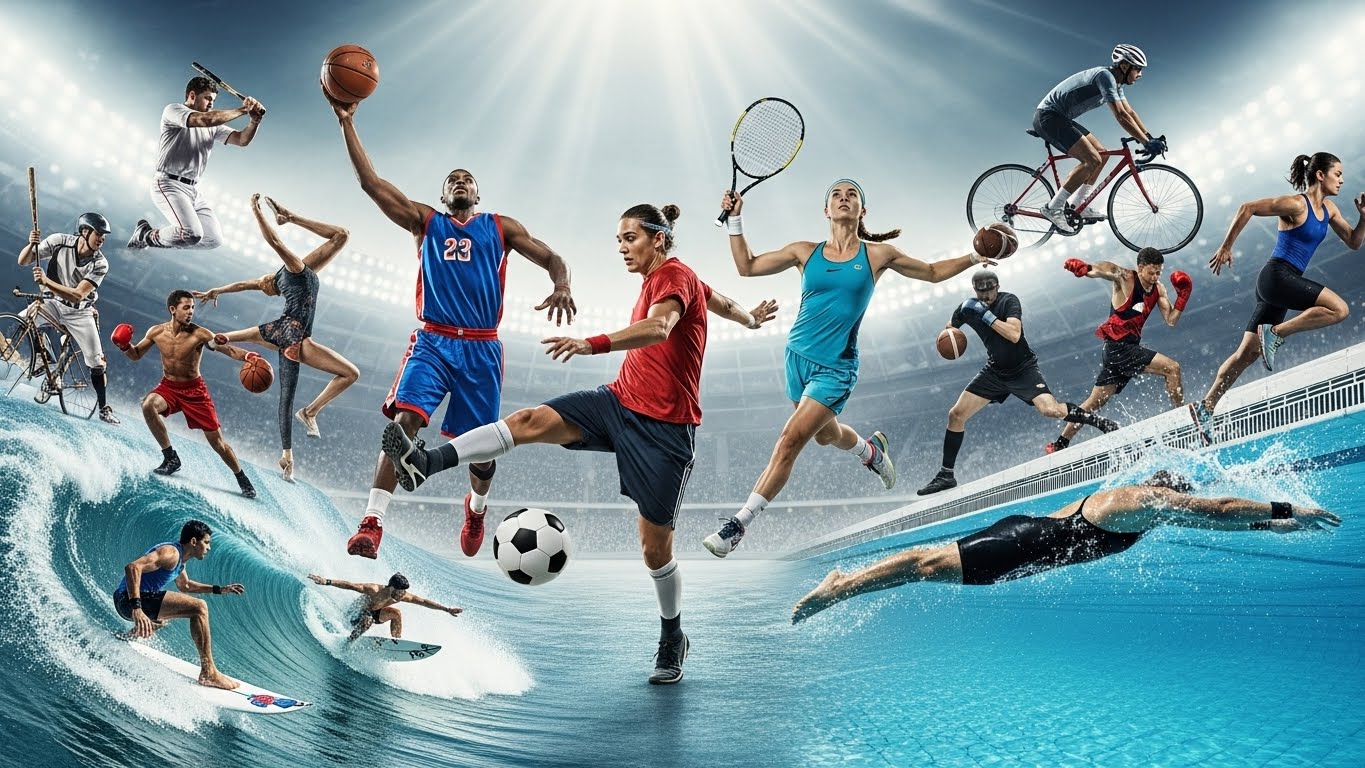
Sports have been woven into the fabric of human history for millennia. From the ancient Olympic Games in Greece to the packed stadiums of today, sports have transcended their role as mere entertainment to become a powerful force that influences cultures, economies, and individual lives. Whether you’re watching a local high school football game or a high-stakes international match, the power of sports to unite, inspire, and transform is undeniable. This blog post will explore the significance of sports in the modern world, from their historical origins to their societal impact, and their role in shaping individual identities and collective experiences.
The Origins of Sports: A Glimpse into the Past
The story of sports begins long before the modern stadiums and global television broadcasts we are familiar with today. Evidence of organized athletic competitions can be found in civilizations as far back as ancient Egypt, Mesopotamia, and China. The most notable early sports competition was the Olympic Games in Ancient Greece, which began in 776 BCE. These games, held in honor of the gods, featured events like running, wrestling, and chariot racing, setting the stage for what would become the foundation of modern-day Olympic sports.
In other parts of the world, such as the Roman Empire, gladiatorial combat and chariot races captivated audiences. The Mayans and Aztecs also held athletic competitions, often involving ball games, that had religious and societal significance. In medieval Europe, jousting tournaments were the spectacle of the time, where knights displayed their skill and bravery.
As societies evolved, so did the structure of sports. By the 19th century, the Industrial Revolution and the rise of organized sports leagues marked the birth of the modern era of sports. The codification of rules for games like soccer, baseball, and tennis provided a standardized framework for competition, allowing for more widespread participation and the growth of sports as both a professional and recreational activity.
Sports and Society: A Mirror to Our Values and Culture
Sports have always held a mirror up to society, reflecting its values, struggles, and triumphs. They often serve as an arena where broader social issues are played out, whether through the representation of gender, race, or economic disparity. Historically, sports have been a battleground for fighting inequality, and today they continue to serve as a stage for activism and change.
One of the most profound ways sports have impacted society is through their ability to challenge and reshape cultural norms. For example, when Jackie Robinson broke the color barrier in Major League Baseball in 1947, it was not only a historic achievement for the sport but also a monumental moment in the Civil Rights Movement in the United States. His courage on the field transcended baseball, demonstrating how sports can be a catalyst for social progress and racial equality.
Similarly, women’s participation in sports has evolved dramatically over the past century. In the early 20th century, women were often excluded from competitive sports or faced significant societal pushback. However, with the rise of female athletes like Billie Jean King, who famously fought for gender equality in tennis, and more recently, Serena Williams, who has become a global icon of athletic excellence, women have carved out their place in sports, inspiring generations of young girls to dream big.
In more recent times, the #BlackLivesMatter movement has found its way into the sports world, with athletes using their platforms to speak out against racial injustice. Figures like Colin Kaepernick, who took a knee during the national anthem to protest police brutality, and LeBron James, who has used his voice to advocate for social change, highlight how sports can be a powerful tool for activism.
Sports, by bringing together individuals from diverse backgrounds, also foster an appreciation of cultural differences. International sporting events like the Olympics or the FIFA World Cup celebrate global unity, where athletes from around the world come together to compete, share their cultures, and connect through their shared love for their respective sports.
The Health and Psychological Benefits of Sports
Beyond their societal impact, sports offer numerous physical and mental health benefits that are crucial for individual well-being. Physical activity is essential for maintaining a healthy lifestyle, and engaging in sports is one of the most effective ways to improve cardiovascular health, build muscle, and boost overall fitness. Whether through team sports or individual activities, regular participation in sports helps reduce the risk of chronic diseases such as heart disease, obesity, and diabetes.
For children, sports can play a pivotal role in shaping healthy habits from an early age. Participation in sports at school age not only helps develop physical strength and coordination but also instills important life skills such as teamwork, communication, and discipline. For young athletes, the lessons learned on the playing field can translate into success in other areas of life, such as academics and future careers.
Adults, too, benefit significantly from engaging in sports. Regular physical activity is proven to reduce stress, anxiety, and depression. The release of endorphins during exercise helps improve mood and create a sense of well-being. Sports also offer a social outlet, allowing people to connect with others, whether through competitive leagues, recreational games, or simply exercising in groups.
For many, the psychological benefits of sports extend beyond the physical aspects. The sense of achievement that comes from mastering a skill, winning a competition, or simply improving one’s performance can boost self-esteem and foster a sense of accomplishment. Moreover, the camaraderie and friendships formed through sports contribute to a strong sense of community and belonging.
Sports as a Business: The Multi-Billion Dollar Industry
Over the past few decades, the world of sports has transformed into a massive global business. What was once a pastime or amateur activity has become a multi-billion-dollar industry, driven by sponsorships, broadcasting rights, merchandising, and ticket sales. Professional sports leagues like the National Football League (NFL), National Basketball Association (NBA), Major League Baseball (MLB), and English Premier League (EPL) generate enormous revenue through television deals, brand partnerships, and fan support.
The global appeal of sports has attracted a wide range of businesses eager to tap into the enormous market. Companies across industries, from technology to fashion, use sports as a platform to advertise their products and connect with millions of fans worldwide. Sponsorship deals with top athletes and teams, as well as partnerships with major events like the Super Bowl, FIFA World Cup, and the Olympic Games, are some of the most lucrative marketing opportunities available today.
In addition to traditional sports, esports has emerged as a dominant force in the world of sports business. Competitive video gaming has exploded in popularity, and esports tournaments now draw millions of viewers, with prize pools reaching into the tens of millions of dollars. Major tech companies like Intel, ASUS, and Logitech are investing heavily in esports, and professional esports teams are signing sponsorship deals with global brands. The growth of esports has also led to the creation of dedicated streaming platforms, such as Twitch, where fans can watch live competitions and interact with players.
With the increasing commercialization of sports, the stakes have grown higher. Athletes are now seen as global brands, with endorsement deals and media appearances complementing their salaries from their respective sports. Athletes like Cristiano Ronaldo, LeBron James, and Michael Jordan have successfully transitioned from sports figures to global icons, leveraging their success on the field to build lucrative business empires.
The Digital Age and the Future of Sports
As technology continues to evolve, so does the way we experience and interact with sports. The rise of social media has fundamentally changed how fans engage with their favorite teams and athletes. Platforms like Twitter, Instagram, and YouTube allow fans to follow athletes, interact with them, and get instant updates on their performances. Social media has also given athletes a platform to voice their opinions, advocate for causes, and connect with their audiences in a more personal way.
In addition to social media, virtual reality (VR) and augmented reality (AR) are shaping the future of sports entertainment. VR has the potential to revolutionize how fans watch live events, allowing them to experience games in an immersive environment, as though they are right there on the field or court. VR training is also being used by athletes to simulate real-game scenarios, helping them prepare for high-pressure moments.
The increasing integration of data and analytics is another trend that is changing the landscape of sports. From player performance metrics to fan behavior, the use of big data is helping teams make more informed decisions, both on and off the field. For athletes, tracking data can optimize training programs, injury prevention, and performance improvement. Fans, too, benefit from advanced analytics, as they can now analyze player statistics, team strategies, and even game predictions in ways that were once impossible.
As the world continues to embrace digital advancements, it is clear that the future of sports will be shaped by technology. Whether through enhanced viewing experiences, virtual competitions, or AI-driven training tools, the digital age promises to take sports to new heights.
Conclusion: The Enduring Impact of Sports
Sports are more than just games; they are a reflection of human ambition, resilience, and the universal desire for connection. They offer a window into the cultural, social, and economic forces that shape our world. From the fields of ancient Greece to the bustling stadiums of today, sports have the power to unite us, inspire us, and challenge us to be better versions of ourselves.
Whether as participants or spectators, sports provide a shared experience that binds us together, transcending language, borders, and differences. They give us heroes to admire, moments to cherish, and lessons that go far beyond the playing field. As sports continue to evolve and adapt to the digital age, one thing is certain: their influence on our lives will remain as powerful as ever.
Leave a Reply