Introduction: A World Moved by Motion
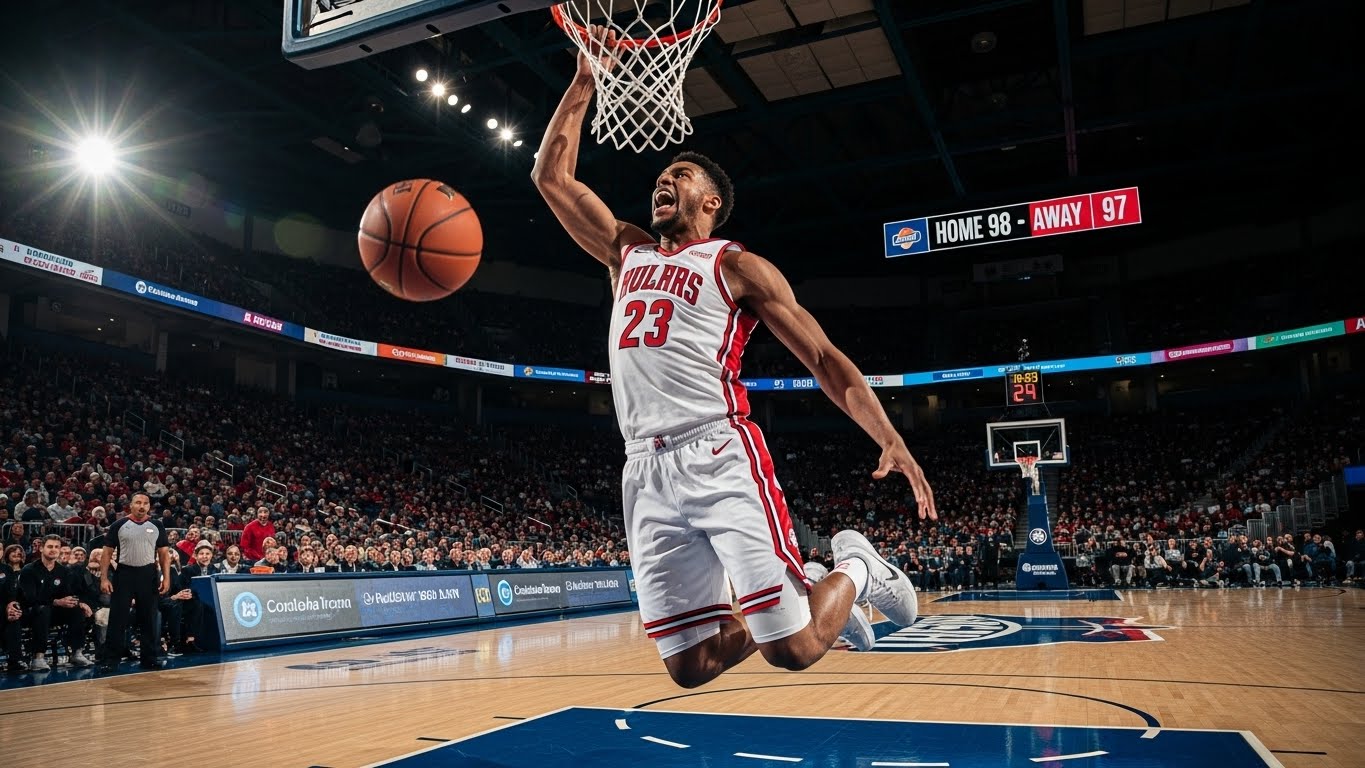
Sports have always been more than games. They are woven into culture, identity, and the emotions of millions. Whether in the roaring stadiums of football giants, the quiet concentration of tennis courts, or the electrifying rush of basketball arenas, sports bring a sense of belonging and exhilaration that few other human activities can match. Today, sports are not just physical contests but global phenomenons that inspire, entertain, and transform societies. This blog explores the evolving world of sports, the passion that drives athletes, and how the games we love shape us in ways far beyond the scoreboard.
The Emotional Gravity of Sports
Sports are powerful because they connect to our emotions. Victory and defeat are universal human experiences, and watching them play out in real time allows spectators to feel a personal stake in every moment. Fans cry when their team loses a final, cheer until their voices crack after a last-minute goal, and celebrate achievements as if they were their own. This emotional intensity makes sports more gripping than any scripted drama.
Athletes also carry emotional weight. Their journeys from childhood dreams to world stages create narratives of perseverance, resilience, and sacrifice. Stories of comebacks after injury or triumph against odds show us the extraordinary potential of human determination. These emotional threads are why sports remain timeless.
The Evolution of Modern Sports Culture
Today’s sports culture is vastly different from the arena battles of the past. Technological advancements, improved training methods, and global media coverage have reshaped how sports are played and consumed.
Athletes now train with scientific precision. Data tracking devices measure heart rate, movement efficiency, and reaction times. Nutrition plans are tailored down to micronutrients. Recovery tools like cryotherapy and hyperbaric chambers allow athletes to extend their careers longer than ever before.
But modern sports culture is shaped not just by technology but by accessibility. With global broadcasting, online streaming, and social media, fans can follow their favorite teams and athletes from anywhere in the world. This accessibility creates enormous global fan communities that transcend culture, language, and geography.
The Rise of New Sports and Fitness Trends
Sports are no longer limited to traditional games. In recent years, we have seen an explosion of new sports and fitness movements capturing the world’s attention. Activities such as mixed martial arts, parkour, skateboarding, and esport competitions have become massive cultural forces.
Esports, in particular, has become one of the fastest-growing competitive fields. Millions tune in to watch tournaments, and professional players train just as intensely as traditional athletes. This shift shows that the definition of “sport” is evolving to include mental agility, strategic thinking, and digital skill.
Other fitness trends like CrossFit, high-intensity interval training, and obstacle racing have brought everyday people into the world of competitive physical activity. Sports no longer belong only to professionals but to anyone with a passion for movement.
The Impact of Sports on Society
Sports have the power to influence society in meaningful ways. They serve as platforms for unity and peaceful competition between nations. Major global events like the Olympics or the World Cup bring countries together, sometimes healing political tensions or creating moments of cultural exchange.
At the local level, sports foster community. From neighborhood football matches to school athletic programs, sports teach children discipline, teamwork, and respect. They act as bridges between people from different backgrounds and promote healthy lifestyles.
Sports have also played a role in social change. Athletes often use their visibility to advocate for important causes, from equality and mental health awareness to fighting injustice. Their voices carry weight, showing that the sports world is intertwined with societal progress.
Athlete Mental Health: A Conversation Gaining Momentum
One of the most significant conversations in modern sports revolves around mental health. For decades, athletes were expected to ignore emotional pressure and focus purely on physical performance. Today, society recognizes that mental health is just as vital as physical strength.
The pressure to win, the intensity of training, the scrutiny of the public, and the fear of failure all contribute to anxiety and burnout. Many athletes have bravely spoken about their struggles, breaking the stigma that has long surrounded the topic. This shift encourages younger generations to seek help when needed and reminds fans that athletes are human beings, not machines.
Sports organizations now invest in psychologists, wellness programs, and relaxation techniques to support athletes. This holistic approach improves performance and helps build healthier, more sustainable athletic careers.
The Role of Sports in Building Character
Sports are powerful teachers. They teach discipline through training, resilience through failure, and humility through success. A young athlete who learns to bounce back from defeat develops a skill that will serve them throughout life.
Team sports, particularly, emphasize cooperation and communication. They teach individuals how to trust others, shoulder responsibility, and contribute to a collective goal. Even individual sports require mental strength and strategic thinking that shape personality and mindset.
These character-building qualities are why sports are often integrated into education. They prepare young people not only for competitions but for the challenges and complexities of adulthood.
Technology and the Future of Performance
The future of sports is intertwined with technology. Innovations such as artificial intelligence, motion sensors, virtual reality, and smart equipment are pushing the boundaries of human capability.
AI-driven training software analyzes an athlete’s movements and suggests improvements. Virtual reality is used for mental rehearsal, allowing players to practice game scenarios in controlled environments. Smart wearables track vital performance indicators, alerting athletes to overtraining risks or injury signals.
These technologies are not replacing human talent but enhancing it. They enable athletes to reach new heights safely and effectively, and they give fans deeper insight into the science behind their favorite games.
Sports as a Universal Language
One of the most beautiful aspects of sports is its ability to transcend differences. A person may not share a language or culture with another, but they can still cheer for the same team, admire the same athlete, or experience the same moment of joy during a spectacular play.
In stadiums and arenas, strangers become friends. They laugh, cry, and celebrate together. This unity is rare in a world full of differences and divisions. Sports communicate passion, effort, and emotion in ways words cannot.
The Timeless Thrill of Competition
No matter how much technology evolves, the core essence of sports remains unchanged. It is about the thrill of competition, the desire to improve, and the joy of achieving something extraordinary. Competition pushes athletes beyond their limits, inspires fans, and creates moments that stay in memory for generations.
Whether it is a game-winning shot, a record-breaking sprint, or a breathtaking display of teamwork, these moments capture the spirit of human potential.
Conclusion: The Everlasting Spirit of Sport
Sports continue to shape our culture, our communities, and our lives. They inspire us to push our limits, teach us values that transcend the playing field, and unite us in ways few other things can. From ancient athletics to modern digital competitions, sports remain a universal celebration of passion, perseverance, and possibility.
As we look to the future, one thing is certain: sports will continue to evolve, but the emotions, lessons, and spirit behind them will always remain the same. Whether you are an athlete, a fan, or someone who simply enjoys the excitement of competition, the world of sports has something for everyone.
Leave a Reply