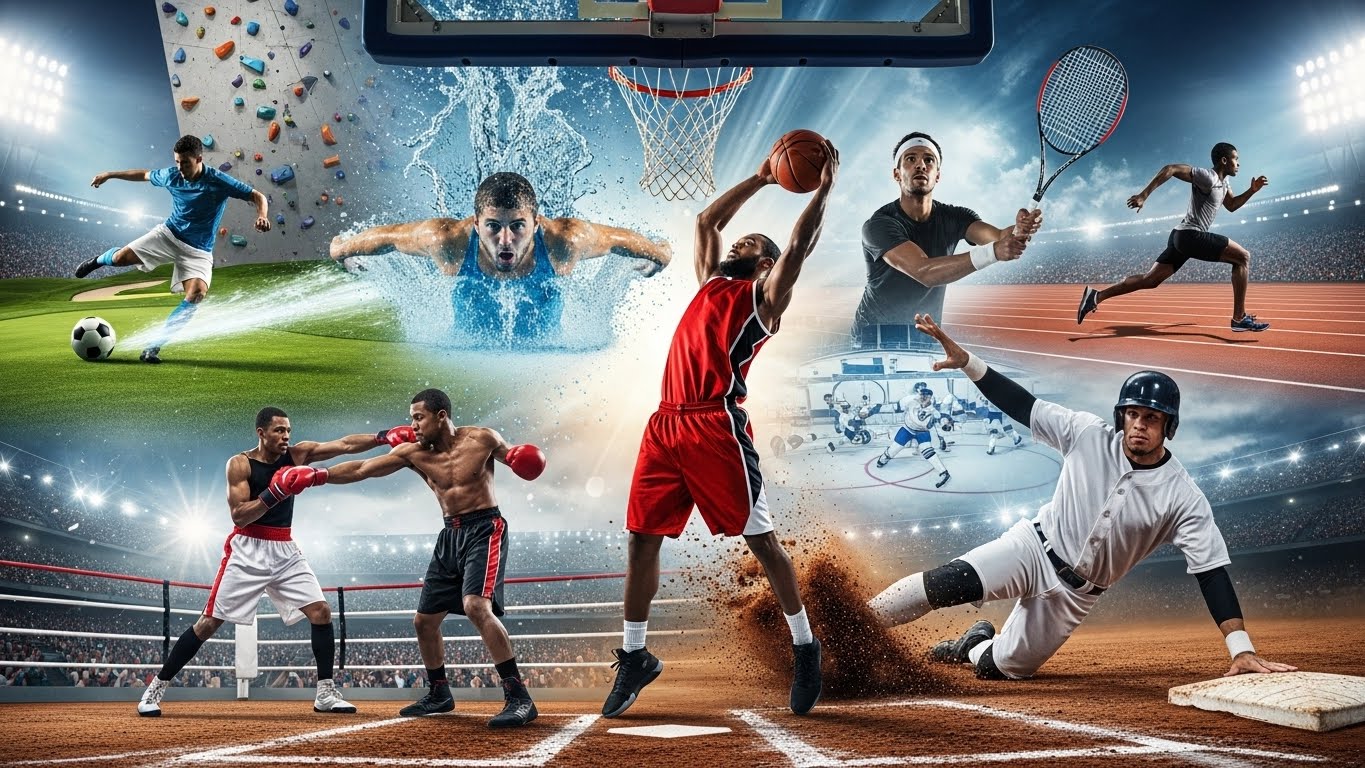
Sports have been an integral part of human civilization for centuries. From ancient Greek Olympiads to modern-day global tournaments, sports have always served as a reflection of society, culture, and the human spirit. While many view sports merely as a form of entertainment or physical activity, its impact extends far beyond the playing field. It shapes character, strengthens communities, and fosters global connections.
The Historical Significance of Sports
The origins of sports trace back thousands of years, serving both ceremonial and practical purposes. Ancient civilizations such as Egypt, Greece, and Rome used sports for training warriors, celebrating victories, and entertaining the masses. The Olympic Games, first held in Greece in 776 BC, stand as a testament to humanity’s enduring fascination with competition. These early events were more than games; they were a reflection of cultural pride and human excellence.
Over centuries, sports evolved with society. Traditional sports like wrestling, archery, and horse racing gradually gave way to organized competitions with codified rules, leagues, and international tournaments. Sports became a universal language, allowing people from diverse backgrounds to connect through shared experiences and values.
Physical Benefits of Sports
The physical advantages of participating in sports are obvious but profound. Regular engagement in sports enhances cardiovascular health, builds strength, improves flexibility, and boosts endurance. Unlike conventional workouts, sports combine exercise with fun, keeping participants motivated over time.
Beyond physical fitness, sports play a significant role in managing stress and mental health. Activities like running, swimming, or playing team games trigger the release of endorphins, chemicals in the brain that promote happiness and reduce anxiety. Children and adults alike benefit from the structured physical activity that sports provide, fostering healthier lifestyles and reducing risks of obesity, diabetes, and heart-related issues.
Mental and Emotional Growth Through Sports
Sports are not just about the body; they are equally a workout for the mind. Participating in sports enhances critical life skills such as focus, discipline, and strategic thinking. Athletes learn to analyze situations, make split-second decisions, and adapt to unpredictable circumstances, skills that are transferable to professional and personal life.
Additionally, sports teach resilience and emotional control. Experiencing both victory and defeat fosters humility, patience, and perseverance. Losing a game can be as educational as winning one, helping individuals build a balanced perspective on success and failure. This emotional maturity is crucial in developing well-rounded individuals who can handle life’s challenges with grace.
Building Teamwork and Social Skills
One of the most significant benefits of sports is its ability to nurture social connections and teamwork. Team sports like football, basketball, and cricket require coordination, cooperation, and communication among players. Participants learn to trust their teammates, share responsibilities, and work collectively toward a common goal.
Even in individual sports such as tennis or athletics, social interaction plays a vital role. Competitions, training sessions, and sports communities encourage camaraderie, friendship, and mentorship. Sports break down barriers of age, gender, and culture, fostering inclusivity and mutual respect among participants.
Sports as a Tool for Education
Sports and education are deeply intertwined. Academic institutions worldwide recognize the importance of physical education and extracurricular sports programs. Engaging in sports can enhance cognitive abilities, improve concentration, and promote better academic performance. Research shows that students who actively participate in sports often exhibit higher levels of discipline, time management, and self-confidence.
Moreover, sports instill ethical values and integrity. Fair play, honesty, and respect for rules are essential principles that athletes learn and carry into other aspects of life. By integrating sports into education, societies ensure that children grow not just physically but morally and socially as well.
Economic and Career Opportunities in Sports
Sports are not only beneficial personally but also professionally. The sports industry is a significant global economic driver, encompassing professional leagues, coaching, equipment manufacturing, fitness centers, and media coverage. Athletes, coaches, sports analysts, and entrepreneurs find numerous career opportunities within this ecosystem.
Furthermore, sports events attract tourism, generate employment, and boost local businesses. Hosting international tournaments can transform cities, improving infrastructure and global visibility. Even beyond professional careers, sports provide avenues for personal growth and networking, opening doors to opportunities that extend beyond the game.
Sports and Community Development
Communities worldwide leverage sports to build cohesion and engagement. Local leagues, community tournaments, and public sports facilities encourage people to come together, share experiences, and develop a sense of belonging. Sports foster civic pride, social responsibility, and collaboration among residents.
In many regions, sports are used as a tool for social change. Initiatives focusing on youth empowerment, health awareness, and gender equality use sports to reach audiences effectively. By promoting teamwork, discipline, and inclusion, sports become more than a pastime—they become a catalyst for positive societal transformation.
The Role of Sports in Global Diplomacy
Sports have a unique power to bridge cultural and political divides. International competitions like the Olympics, World Cup, and Commonwealth Games create a platform for countries to interact peacefully through friendly competition. Sports diplomacy has historically played a role in easing tensions, fostering dialogue, and promoting understanding between nations.
Athletes often become ambassadors of goodwill, demonstrating values of respect, unity, and collaboration. Fans across the globe celebrate talent regardless of nationality, language, or religion, illustrating the universal appeal and unifying force of sports.
The Psychological Thrill of Spectating Sports
While participating in sports has direct benefits, watching sports also has profound effects on people’s psyche. Spectators experience excitement, anticipation, and emotional investment, which create a sense of community and shared identity. Fans bond over victories, celebrate milestones, and even navigate collective disappointment, building social connections and emotional resilience.
Moreover, sports spectatorship can inspire active participation. Watching skilled athletes perform can motivate individuals to pursue fitness goals, try new sports, or cultivate hobbies that enhance physical and mental well-being.
Challenges in the World of Sports
Despite its many advantages, sports face challenges that cannot be overlooked. Issues such as doping, corruption, unequal access, and gender disparities affect the integrity and inclusivity of sports. Injuries, performance pressure, and mental health struggles are common among professional athletes, highlighting the need for supportive systems and ethical practices.
Addressing these challenges requires collaboration between governing bodies, communities, and individuals. Promoting fair play, creating safe environments, and ensuring equal opportunities for participation are essential steps toward sustaining the positive impact of sports globally.
The Future of Sports
The future of sports is both exciting and transformative. Technological advancements are reshaping training, performance analysis, and fan experiences. Innovations such as virtual reality, wearable devices, and artificial intelligence enable athletes to optimize performance and minimize injuries. Meanwhile, digital platforms allow fans to engage with sports like never before, fostering global communities and interactive experiences.
Furthermore, the rise of adaptive and inclusive sports ensures that people of all abilities can participate and benefit. From wheelchair basketball to para-athletics, the expansion of accessible sports opportunities reflects society’s growing commitment to equity and empowerment.
Conclusion: Sports as a Lifelong Journey
Sports are far more than games or competitions—they are a celebration of human potential. They enrich lives physically, mentally, emotionally, and socially. Through sports, individuals learn discipline, resilience, teamwork, and empathy. Communities grow stronger, societies become more inclusive, and nations find common ground.
Whether playing on a professional stage, participating in a local league, or cheering from the stands, sports invite us to connect with ourselves and others. They remind us that victory is sweet, defeat is instructive, and the journey—the effort, passion, and camaraderie—is what truly matters. In a world that often divides, sports unite, offering timeless lessons that extend far beyond the boundaries of the field.
Sports are not just about winning; they are about growth, connection, and the endless pursuit of excellence. Every match played, every record broken, and every cheer from the crowd carries a story of dedication, perseverance, and the enduring human spirit.
Leave a Reply