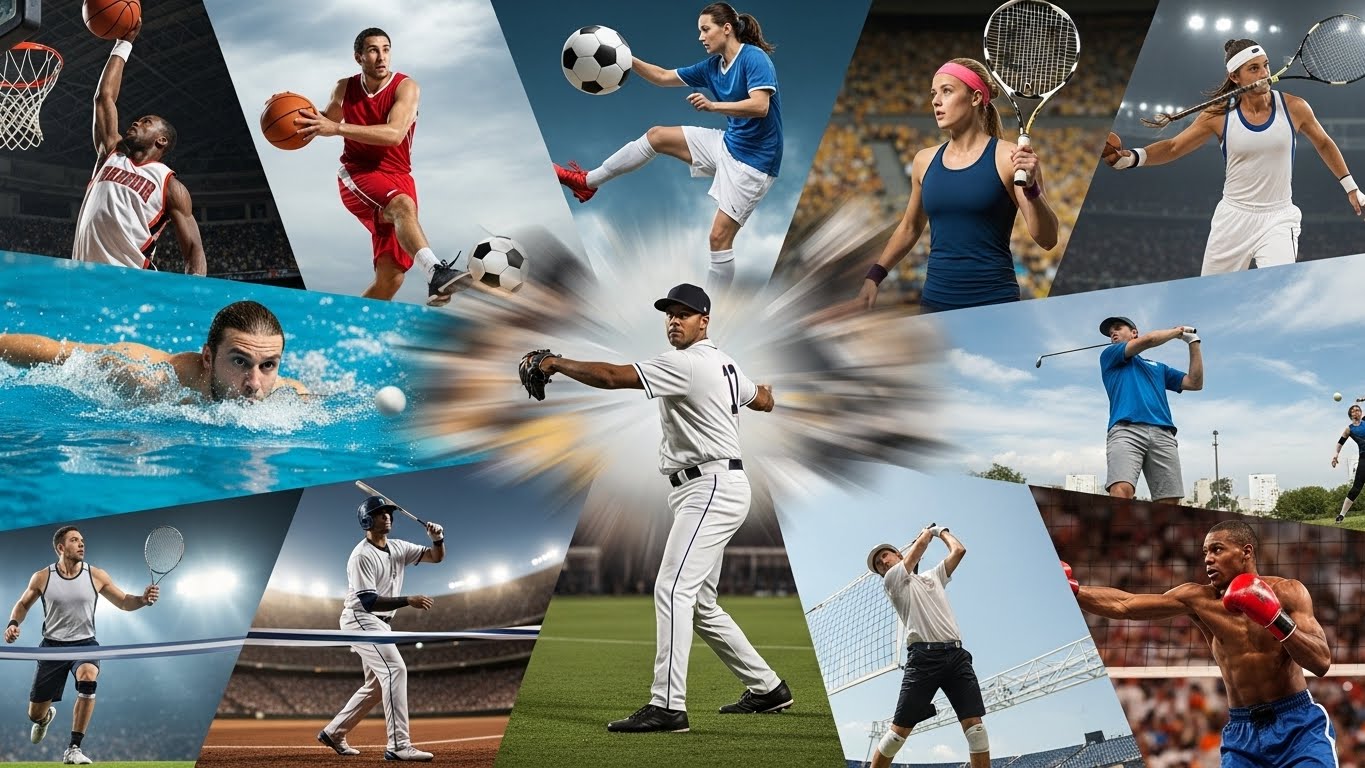
Introduction: Sports as a Universal Language
Sports have always been a defining feature of human civilization. They are more than games; they are a reflection of culture, resilience, and creativity. From ancient Olympic competitions to the modern global spectacles, sports transcend language, ethnicity, and geography. They bring people together, teach life lessons, and inspire both players and spectators alike. The thrill of competition, the dedication required to excel, and the joy of participation make sports a vital part of society. In this blog, we will explore the evolution of sports, their social and personal impact, and why they continue to captivate people across the world.
The Historical Evolution of Sports
The origins of organized sports trace back thousands of years. In ancient Greece, the Olympics celebrated physical prowess and human excellence. Egypt and Mesopotamia had athletic events that were intertwined with religious and cultural practices. These early competitions emphasized discipline, skill, and the celebration of human potential.
As civilizations advanced, sports evolved alongside society. Medieval Europe saw jousting tournaments and archery contests, while indigenous cultures worldwide developed games that reflected their environment, traditions, and values. With the Industrial Revolution, modern team sports like football, cricket, and basketball emerged, formalizing rules, organizing leagues, and cultivating fan followings. Over time, sports became not only a form of physical activity but also a significant cultural and economic force.
Physical and Mental Benefits of Sports
Engaging in sports is critical for physical health. Regular participation enhances cardiovascular fitness, builds muscle strength, improves flexibility, and boosts overall well-being. Beyond physical benefits, sports positively influence mental health. They reduce stress, increase self-esteem, and foster emotional resilience.
Competitive sports cultivate focus, patience, and strategic thinking. Players learn to handle pressure, make split-second decisions, and persevere through challenges. Even at amateur levels, these experiences translate into valuable life skills, helping individuals navigate obstacles in professional, academic, and personal spheres.
The Social Impact of Sports
Sports have an unparalleled ability to unite communities. Major events like the FIFA World Cup, the Olympics, or regional championships bring people together, creating moments of shared excitement and national pride. Fans, regardless of background, come together to celebrate victories, support their teams, and experience the collective thrill of competition.
Moreover, sports act as a platform for social change. Athletes often use their influence to advocate for equality, education, and social justice. They inspire communities, challenge stereotypes, and encourage young people to pursue dreams beyond societal limitations. Through both participation and spectatorship, sports foster a sense of belonging and shared identity.
Team Sports vs Individual Sports
Sports can be broadly divided into team and individual disciplines, each offering unique benefits. Team sports, such as football, basketball, and hockey, emphasize collaboration, communication, and mutual accountability. Success depends on coordinated effort, trust, and understanding among team members, teaching the importance of working collectively toward common goals.
Individual sports, such as tennis, swimming, or gymnastics, focus on personal discipline, mental resilience, and self-reliance. Athletes in these fields must rely on their own abilities, pushing personal limits to achieve excellence. Both team and individual sports develop essential life skills, including problem-solving, perseverance, and goal-setting, demonstrating the multifaceted value of athletic endeavors.
The Role of Technology in Modern Sports
Technology has revolutionized sports in unprecedented ways. Advanced training equipment, wearable performance trackers, and data analytics enable athletes to optimize performance and minimize injury risks. Video analysis and artificial intelligence help coaches develop strategies and make informed decisions, elevating both individual and team capabilities.
Spectators also benefit from technology. High-definition broadcasts, instant replays, and immersive virtual experiences make following sports more engaging. Social media allows fans to interact directly with athletes, creating a dynamic relationship between players and audiences. These innovations enhance the experience of sports, both on and off the field, while making them more accessible and interactive.
Globalization and Sports
Sports have become a global phenomenon, crossing national boundaries and connecting cultures. International leagues and tournaments showcase talent from around the world, promoting cultural exchange and understanding. Athletes become ambassadors of their countries, and fans from diverse regions share in the excitement, creating a universal community united by passion and admiration.
Global sports events also drive economic growth. They generate employment, stimulate tourism, and foster investment in infrastructure. The globalization of sports underscores its power not only as entertainment but also as a force for cultural diplomacy and international cohesion.
Women in Sports: Breaking Barriers
Women’s participation in sports has grown tremendously over the past few decades. Female athletes have excelled in football, cricket, athletics, and countless other disciplines, challenging long-standing stereotypes. Increased visibility, sponsorship, and media coverage have elevated women’s sports to new heights, inspiring younger generations to pursue athletic ambitions.
Women in sports demonstrate resilience, leadership, and excellence. Their achievements promote equality, empower communities, and enrich the sporting landscape, proving that athletic talent transcends gender. The rise of women’s sports signifies a broader movement toward inclusivity and social progress.
Youth and Sports: Nurturing the Future
Introducing children and adolescents to sports provides lifelong benefits. Youth participation develops physical fitness, social skills, and emotional resilience. Team sports teach cooperation, communication, and fair play, while individual sports foster self-discipline, goal-setting, and confidence.
Sports also offer an outlet for energy, creativity, and healthy competition. Mentorship from coaches and experienced athletes instills values such as responsibility, dedication, and leadership. Early engagement in sports lays the foundation for a balanced, disciplined, and ambitious life.
Sports as Entertainment
Beyond physical activity, sports serve as a primary form of entertainment. Stadiums and arenas host events that draw millions of spectators, creating excitement, suspense, and communal engagement. Fans experience a wide range of emotions, from exhilaration to heartbreak, forming deep connections with athletes and teams.
Sports entertainment extends to media, digital platforms, and fantasy leagues, enriching the spectator experience. By blending competition, storytelling, and technology, sports captivate audiences, maintaining relevance and excitement in an ever-changing entertainment landscape.
Ethics, Fair Play, and Sportsmanship
Sports emphasize ethics, integrity, and fair play. Rules exist to ensure balanced competition, while principles like respect, humility, and accountability are essential for cultivating sportsmanship. Athletes learn to celebrate victories gracefully and accept defeat with dignity, shaping character and moral values.
Challenges such as doping, corruption, and unethical behavior occasionally arise, reminding the community of the importance of integrity. Upholding ethical standards ensures that sports remain a source of inspiration, role modeling, and authentic achievement.
The Psychological Aspects of Sports
Mental resilience is as critical as physical ability in sports. Focus, motivation, stress management, and confidence significantly impact performance. Athletes develop coping strategies to navigate pressure, overcome setbacks, and sustain performance under challenging conditions.
Sports also influence fans psychologically. Emotional investment in teams and athletes fosters identity, belonging, and shared experience. The passion, hope, and camaraderie generated by sports extend their impact beyond the playing field, demonstrating their profound influence on human emotion and social cohesion.
The Future of Sports
The future of sports promises innovation, accessibility, and inclusivity. Emerging technologies like virtual reality, AI-driven training, and wearable performance monitors will redefine how athletes train and compete. Inclusive sports programs will expand opportunities for marginalized communities, promoting equality and social empowerment.
Sports will continue to adapt to global trends while maintaining their core principles of competition, teamwork, and personal growth. They will remain a source of inspiration, cultural exchange, and emotional engagement, ensuring their relevance for generations to come.
Conclusion: Sports as a Reflection of Human Potential
Sports are far more than entertainment or competition; they are a reflection of human potential, discipline, and creativity. They unite communities, inspire individuals, and provide lessons in perseverance, teamwork, and resilience. Through participation and spectatorship, sports enhance physical, mental, and social well-being.
From ancient traditions to modern global events, sports continue to evolve while maintaining their universal appeal. They remind us of our shared humanity, the value of dedication, and the power of collective effort. Beyond the game itself, sports embody the spirit of ambition, passion, and connection, making them an enduring and transformative aspect of human life.
Leave a Reply