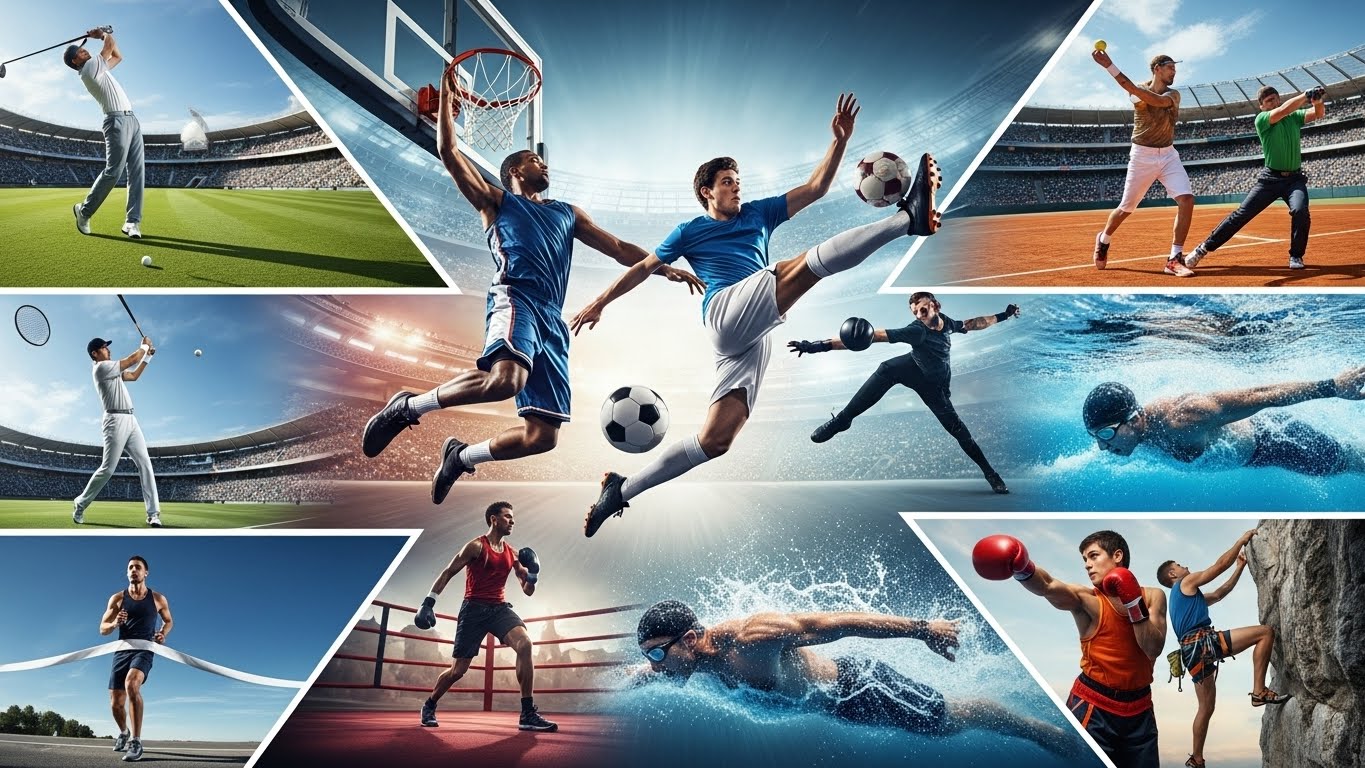
Sports have been a cornerstone of human culture for centuries, transcending geography, language, and societal boundaries. From ancient competitions in Greek amphitheaters to modern international tournaments broadcast across the globe, sports have evolved in ways that reflect not only athleticism but also the social, cultural, and technological progress of humanity. Beyond the thrill of victory and the agony of defeat, sports impact our health, society, economy, and even our personal identities. This blog explores how modern sports have evolved, their role in our lives, and the forces shaping their future.
The Historical Journey of Sports
The story of sports begins in antiquity. Civilizations such as the Greeks and Romans used competitive physical activities as both entertainment and a demonstration of strength, skill, and discipline. The ancient Olympic Games, first held in 776 BC, showcased running, wrestling, and chariot racing, celebrating not only athletic talent but also cultural pride.
During the Middle Ages, sports took a more localized form, often reflecting societal structures. Jousting tournaments, archery competitions, and medieval games reinforced hierarchy, honor, and martial skills. The modern era of sports, however, began in the 19th century when organized leagues, codified rules, and international competitions emerged. Soccer, cricket, and tennis, among others, began to standardize, creating the foundations for the global sporting culture we know today.
Sports as a Catalyst for Physical and Mental Health
The benefits of participating in sports extend far beyond entertainment. Physically, sports encourage cardiovascular fitness, muscle development, flexibility, and endurance. Regular involvement in sports reduces the risk of chronic diseases such as obesity, diabetes, and heart conditions. Activities like swimming, running, and team-based exercises also enhance coordination, reflexes, and overall physical resilience.
Mental health benefits are equally significant. Sports instill discipline, perseverance, and a sense of purpose. Team sports foster collaboration, empathy, and leadership skills, while individual sports enhance self-motivation and focus. Research has consistently shown that regular physical activity reduces stress, anxiety, and symptoms of depression. The mental resilience developed through sports often translates into other areas of life, including academics, careers, and personal relationships.
The Globalization of Sports
Modern sports have transcended national boundaries, creating a shared language for people around the world. Football (soccer) exemplifies this global reach. International tournaments like the FIFA World Cup attract billions of viewers, uniting fans from diverse cultures and backgrounds. Similarly, the Olympics, held every four years, celebrates not just athletic achievement but also international solidarity, bringing together athletes from almost every nation on Earth.
The globalization of sports has also led to the exchange of techniques, strategies, and training methods. Coaches and players study international trends, adopting innovations that improve performance. As a result, sports have become more competitive and dynamic, with higher levels of athleticism and strategy than ever before.
Technology and Innovation in Modern Sports
Technology has transformed sports in multiple ways, from training to performance analysis and spectator engagement. Wearable devices, heart rate monitors, and GPS trackers allow athletes to monitor their performance in real time, identifying areas for improvement. Video analysis software provides insights into technique, strategy, and opponent behavior, making training more scientific and precise.
Broadcasting technology has also revolutionized the way fans engage with sports. High-definition television, instant replay, and virtual reality experiences bring fans closer to the action, creating immersive viewing experiences. Social media platforms allow athletes to interact directly with fans, increasing visibility and engagement. Even officiating has evolved, with technologies like VAR in soccer or Hawk-Eye in tennis ensuring more accurate decisions during matches.
Sports and Social Change
Sports have often been a platform for social change, promoting equality, inclusivity, and cultural awareness. Legendary athletes such as Muhammad Ali, Billie Jean King, and Jackie Robinson broke barriers in their respective sports, challenging societal norms and advocating for justice. These figures demonstrated that sports are not merely games; they are arenas for broader societal conversations.
Today, sports continue to address issues such as gender equality, racial diversity, and accessibility. Women’s sports have gained significant recognition, with professional leagues, international tournaments, and media coverage raising awareness and inspiring future generations. Adaptive sports and Paralympic competitions highlight the abilities of differently-abled athletes, breaking stereotypes and promoting inclusivity.
The Economics of Sports
Sports are also a significant economic force. Professional leagues, tournaments, and sporting events generate billions of dollars in revenue annually. Ticket sales, merchandise, sponsorships, and broadcasting rights contribute to both local and global economies. Major sporting events such as the Olympics or the Super Bowl stimulate tourism, infrastructure development, and job creation, impacting cities and countries economically.
Athletes themselves have become influential economic figures. Endorsements, sponsorships, and personal brands allow top athletes to earn substantial income beyond salaries and prize money. This intersection of sports, business, and entertainment has created a new ecosystem where athletic performance and marketability coexist.
The Role of Youth and Community Sports
Grassroots and community-level sports are the foundation of athletic development and social engagement. Local clubs, school teams, and recreational programs introduce children to physical activity, teamwork, and discipline from an early age. Participation in sports during youth has long-term benefits, promoting healthy lifestyles, building confidence, and teaching valuable life skills.
Community sports also foster social cohesion. Neighborhood leagues and recreational programs create opportunities for interaction, cultural exchange, and mutual support. In many areas, sports are more than just games; they are a way to build community identity and pride.
The Challenges Facing Modern Sports
Despite its many benefits, modern sports face several challenges. The commercialization of sports, while economically beneficial, sometimes prioritizes profit over athlete welfare and the integrity of the game. Issues such as doping, match-fixing, and unethical practices threaten the credibility of competitions.
Mental health challenges among athletes are increasingly recognized. High expectations, media scrutiny, and the pressures of competition can lead to burnout, anxiety, and depression. Addressing these challenges requires comprehensive support systems, including counseling, wellness programs, and balanced training schedules.
Another concern is accessibility. While sports can unite communities, disparities in access to facilities, coaching, and opportunities exist, particularly in underprivileged areas. Promoting equitable access is essential to ensure that sports remain inclusive and beneficial for all.
The Future of Sports
The future of sports promises exciting transformations. Emerging technologies such as artificial intelligence, virtual reality, and advanced biomechanics are likely to enhance training, strategy, and fan engagement. AI-driven analytics could provide deeper insights into player performance, injury prevention, and game strategy, making sports smarter and more precise.
Esports are also redefining what it means to be an athlete. Competitive gaming has grown into a global phenomenon, with professional leagues, massive tournaments, and dedicated fanbases. The line between physical and digital sports is blurring, offering new opportunities for competition, entertainment, and community engagement.
Sustainability is becoming a priority in sports as well. Organizers of major events are increasingly adopting eco-friendly practices, reducing carbon footprints, and promoting environmental awareness. Sports have the power to influence societal behavior, and environmentally responsible practices within sports can inspire positive change globally.
Conclusion
Sports are far more than games; they are a reflection of human ambition, culture, and innovation. From ancient arenas to modern stadiums, from grassroots programs to global tournaments, sports shape lives physically, mentally, socially, and economically. They inspire, challenge, and connect people across borders, acting as a universal language of passion, dedication, and resilience.
While modern sports face challenges, including commercialization, mental health pressures, and access disparities, the opportunities for growth, innovation, and positive social impact are immense. Technology, globalization, and inclusivity are shaping the future of sports, ensuring that they remain a vital and dynamic part of human life.
As we watch, play, and celebrate sports, it becomes clear that their influence extends far beyond the field. Sports teach us about perseverance, teamwork, and integrity. They provide joy, excitement, and a sense of belonging. In a rapidly changing world, sports continue to unite us, reminding us of the timeless human spirit that thrives on challenge, competition, and collective achievement.
The evolution of modern sports is ongoing, and its impact on society, culture, and individuals will continue to grow. Whether as an athlete, fan, or casual observer, participating in the world of sports enriches our lives and inspires us to reach higher, move faster, and dream bigger.
Leave a Reply