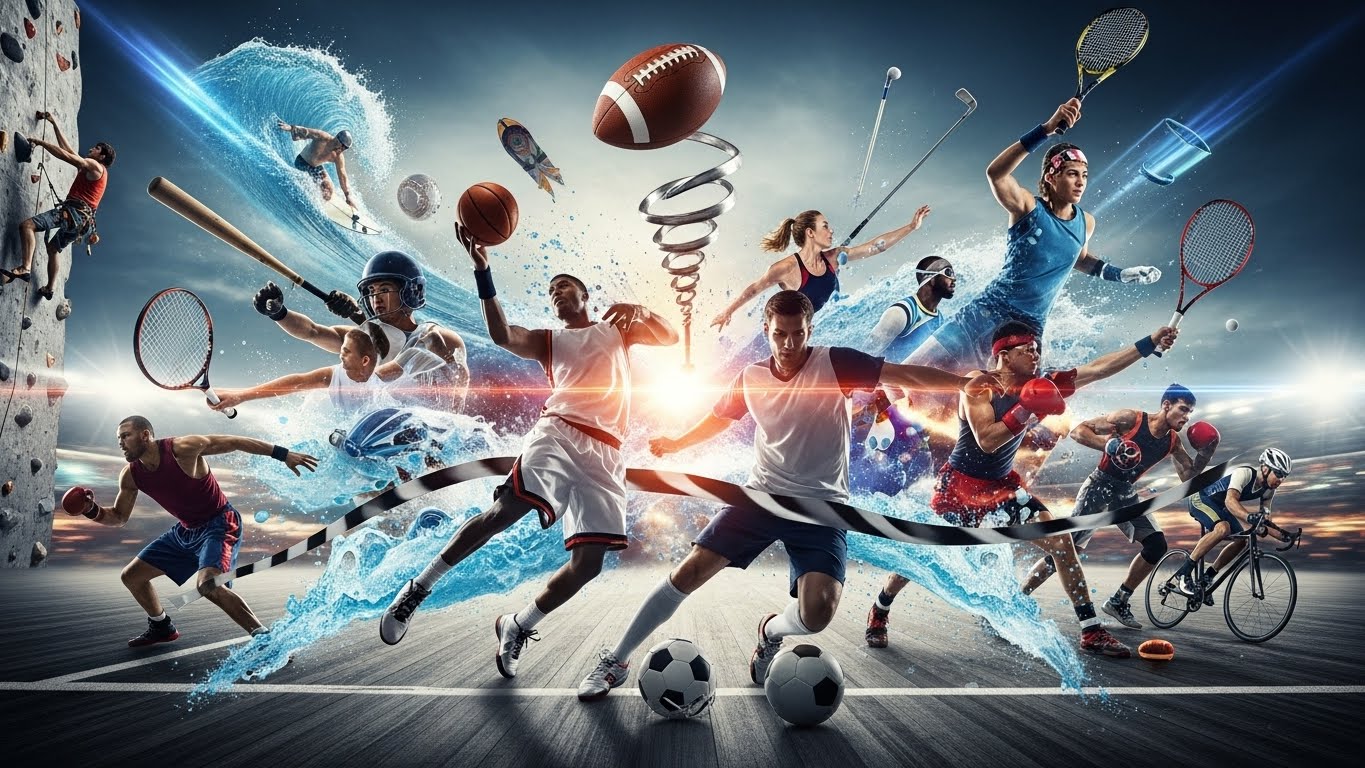
Sports have always been more than just games. From ancient Olympic competitions to modern professional leagues, sports reflect the cultures, aspirations, and values of societies. Whether it’s the thrill of competition, the spirit of teamwork, or the lessons in perseverance, sports have a profound impact on individuals and communities alike. In this blog, we will explore the multiple dimensions of sports, their significance, and why they continue to be an essential part of human life.
The Universal Language of Sports
One of the most remarkable aspects of sports is their universality. People from all walks of life, regardless of age, gender, or nationality, can connect through sports. A soccer match in Brazil, a cricket game in India, or a basketball tournament in the United States can draw immense passion and energy from fans around the world. The shared excitement of cheering for a team or marveling at an athlete’s performance transcends linguistic and cultural barriers.
Sports communicate emotions and stories without words. The joy of a last-minute goal, the heartbreak of a missed penalty, and the pride of victory are feelings that resonate globally. This universal appeal has helped sports become a powerful medium for unity, diplomacy, and social change.
Building Character Through Sports
Sports play a crucial role in shaping character. From childhood, participating in sports teaches values such as discipline, responsibility, and resilience. Athletes learn to handle both victories and defeats, understanding that failure is a part of growth. The lessons learned on the playing field often extend into real-life situations, shaping individuals into well-rounded and disciplined adults.
Team sports, in particular, emphasize collaboration and communication. Learning to work effectively with teammates, respecting opponents, and following rules instills a sense of fairness and empathy. Even individual sports, such as tennis or swimming, teach self-motivation, focus, and the importance of personal accountability.
The mental strength built through sports can influence other aspects of life. Athletes often develop problem-solving skills, strategic thinking, and the ability to stay calm under pressure. These qualities are invaluable not just in sports but in academics, careers, and personal relationships.
Physical Health Benefits
While the mental and social benefits of sports are widely acknowledged, the physical advantages are equally significant. Engaging in sports promotes cardiovascular health, strengthens muscles, improves flexibility, and boosts overall fitness. Regular physical activity reduces the risk of chronic diseases such as obesity, diabetes, and heart conditions.
Children and teenagers who participate in sports are more likely to develop healthy habits that continue into adulthood. Sports encourage movement, proper nutrition, and regular exercise, laying the foundation for long-term wellness. Beyond physical health, exercise through sports has been shown to release endorphins, reduce stress, and improve mood. In a world where sedentary lifestyles are increasingly common, sports provide a vital outlet for maintaining both physical and mental well-being.
Sports as a Tool for Social Change
Throughout history, sports have often been a catalyst for social change. Athletes have used their platforms to challenge injustice, raise awareness, and inspire communities. Iconic figures like Muhammad Ali, Billie Jean King, and Nelson Mandela have demonstrated that sports are not just about competition—they can also be a medium for advocacy and equality.
In many countries, sports programs have helped marginalized groups gain access to opportunities, education, and social mobility. Community sports initiatives encourage inclusivity, providing spaces where individuals of diverse backgrounds can come together. Sports can break down societal barriers, promote gender equality, and foster a sense of belonging among participants.
The Economic Impact of Sports
The influence of sports extends beyond personal and social benefits; it also has a profound economic impact. Professional sports leagues, tournaments, and events generate substantial revenue and create employment opportunities. From athletes and coaches to marketers and stadium staff, sports industries provide livelihoods for millions of people worldwide.
Major sporting events like the Olympics or World Cup boost local economies by attracting tourism, investments, and international attention. Sponsorships, merchandise, and broadcasting rights contribute to economic growth, while grassroots sports initiatives stimulate community-level development. The economic ecosystem around sports demonstrates how deeply integrated sports are into modern society.
Mental Health and Sports
In recent years, the connection between sports and mental health has gained significant attention. Engaging in physical activities has been proven to reduce anxiety, depression, and stress. Team sports, in particular, provide a sense of belonging, social support, and camaraderie, which are crucial for mental well-being.
Athletes often face immense pressure and expectations, which can impact mental health. However, learning coping mechanisms, mindfulness, and resilience through sports can empower individuals to manage stress effectively. Participation in recreational sports also encourages a balanced lifestyle, offering an outlet for relaxation and personal fulfillment.
The Role of Technology in Modern Sports
The landscape of sports has evolved significantly with technological advancements. Innovations such as instant replay, wearable fitness devices, and virtual reality training have transformed the way sports are played, coached, and consumed. Technology enhances the precision of performance analysis, injury prevention, and fan engagement.
For athletes, data-driven insights improve training efficiency, allowing them to refine techniques and optimize performance. Fans benefit from immersive experiences, including live streaming, interactive apps, and virtual stadium tours. Technology has made sports more accessible, engaging, and dynamic than ever before, bridging the gap between players and audiences globally.
Inspiring the Next Generation
Sports have an unparalleled ability to inspire. Young athletes look up to professionals not only for their talent but also for their dedication, sportsmanship, and perseverance. Iconic moments, such as record-breaking achievements or extraordinary comebacks, motivate aspiring athletes to pursue their dreams.
Beyond professional athletes, local coaches, school sports programs, and community events play a vital role in nurturing talent. By providing guidance, resources, and encouragement, these programs ensure that future generations continue to benefit from the values and opportunities that sports offer.
Sports and Cultural Identity
Sports often become a reflection of cultural identity. National teams and athletes carry the pride of their countries, and victories on international stages can evoke deep emotions of unity and patriotism. Traditional sports, whether it is sumo wrestling in Japan, bullfighting in Spain, or kabaddi in India, preserve cultural heritage and celebrate unique traditions.
Sports also provide a platform for cultural exchange. International competitions bring together athletes and fans from diverse backgrounds, fostering mutual understanding and appreciation. The global nature of sports contributes to a sense of shared humanity while celebrating distinct cultural identities.
Challenges in the World of Sports
While sports bring numerous benefits, they also face challenges that cannot be overlooked. Issues such as doping, corruption, commercialization, and inequality can undermine the integrity of sports. The pressure to win at all costs can sometimes overshadow the core values of fair play and respect.
Gender disparities in sports participation, pay gaps, and lack of representation remain critical concerns. Ensuring access to sports for all, regardless of socioeconomic status, is essential for maintaining sports as a force for positive change. Addressing these challenges requires concerted efforts from governing bodies, communities, and athletes themselves.
The Future of Sports
The future of sports promises innovation, inclusivity, and continued global impact. Emerging trends, such as esports, adaptive sports for differently-abled individuals, and sustainable sporting practices, are reshaping the landscape. Sports are becoming more accessible, interactive, and environmentally conscious, reflecting the evolving values of society.
As technology, awareness, and social engagement advance, sports will continue to be a powerful tool for personal development, community building, and cultural exchange. The essence of sports—competition, passion, and teamwork—will remain timeless, inspiring generations to come.
Conclusion
Sports are far more than a pastime; they are a fundamental aspect of human life. They shape character, promote health, inspire communities, and drive social change. Whether at a professional, amateur, or recreational level, sports teach valuable life lessons, foster cultural identity, and create lasting memories.
In a world that often feels divided, sports provide a unifying force. They remind us that, regardless of background or beliefs, the joy of playing, watching, and celebrating together transcends differences. Beyond the victories and records, sports are a testament to human potential, resilience, and the enduring spirit of teamwork.
Leave a Reply