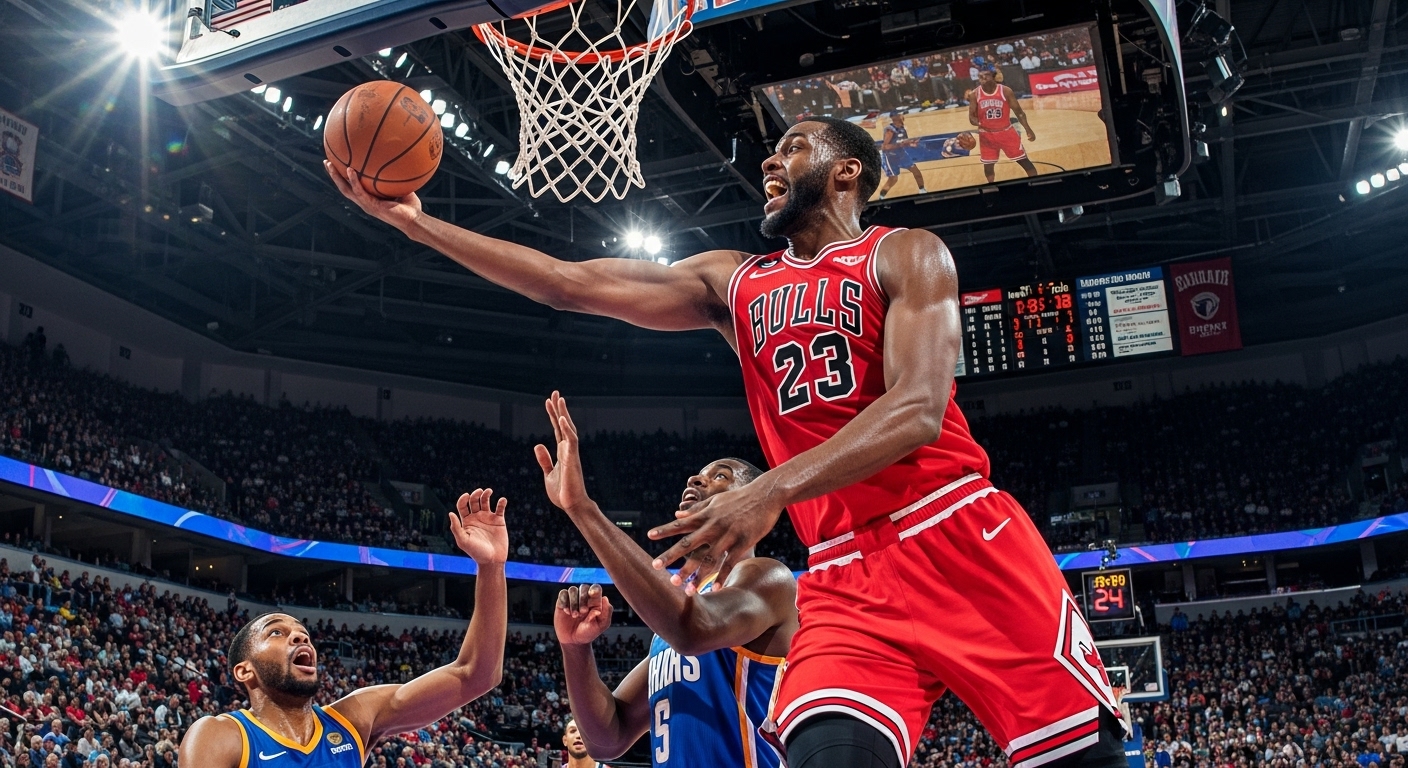
Introduction: The Universal Language of Sports
Sports have always been more than just games. They are an expression of human energy, spirit, and ambition. Across every continent, in cities and villages, people gather to play, watch, and celebrate athletic competition. Whether it’s the roar of a crowd in a football stadium, the focus of a tennis player preparing for a serve, or the determination of a runner at the starting line, sports unite us all through emotion and excitement.
From ancient civilizations to the modern digital age, sports have evolved but their essence remains the same — they test limits, foster unity, and build identity. Today, sports influence global culture, shape economies, and inspire generations to dream bigger and achieve more.
The Historical Roots of Sports
The origins of sports trace back thousands of years. Ancient societies engaged in athletic contests to demonstrate strength, skill, and courage. The earliest recorded sports activities date back to ancient Egypt, where wrestling, archery, and swimming were practiced. The Greeks formalized competition with the creation of the Olympic Games in 776 BCE, which became a cornerstone of their culture.
In Rome, gladiatorial contests represented entertainment and power, while in Asia, martial arts such as kung fu and wrestling symbolized discipline and spirituality. Over centuries, as societies grew and interacted, sports spread and evolved, eventually becoming organized systems of competition governed by rules and fairness.
Modern sports as we know them took shape in the 19th century, with the establishment of formal organizations, international tournaments, and global recognition. The invention of broadcasting technology transformed local events into worldwide spectacles, setting the stage for the massive sports industry we see today.
Sports as a Unifying Global Phenomenon
Few things bring people together like sports. Regardless of language, religion, or nationality, sports create a common ground. During major tournaments like the FIFA World Cup or the Olympic Games, millions around the world set aside differences to celebrate athletic excellence.
National teams become symbols of pride and unity. Athletes become ambassadors of peace and sportsmanship. Even in times of conflict, sports often serve as bridges of understanding. The concept of “sports diplomacy” has played a key role in easing political tensions, such as the famous “ping-pong diplomacy” between the United States and China in the 1970s.
On a smaller scale, community sports bring neighborhoods together. Local matches, school competitions, and recreational clubs strengthen social bonds and promote inclusivity. Sports transcend boundaries, proving that competition does not always divide—it can unite through mutual respect and admiration.
The Physical and Mental Benefits of Sports
Sports play an essential role in improving both physical and mental health. Regular physical activity strengthens the heart, muscles, and immune system. It helps maintain a healthy weight, increases stamina, and reduces the risk of chronic diseases such as diabetes and hypertension.
Beyond the physical aspect, sports are powerful tools for mental well-being. Engaging in athletic activities releases endorphins, which reduce stress and anxiety. Team sports encourage social interaction and teamwork, helping individuals build communication skills and confidence.
For children, sports provide a structured environment for learning discipline, patience, and perseverance. For adults, they offer an escape from daily pressures, a way to stay fit, and an opportunity to socialize. For the elderly, light sports like walking or swimming help maintain mobility and mental sharpness.
Sports remind us that health is not just about the body, but also about the balance of mind and spirit.
The Economic Impact of Sports
Sports are not only a cultural phenomenon but also a massive economic engine. The global sports industry is worth hundreds of billions of dollars, encompassing broadcasting rights, merchandise, sponsorships, and tourism. Major events like the Super Bowl, the Olympic Games, and the FIFA World Cup generate enormous revenue and create thousands of jobs.
Cities that host major tournaments benefit from infrastructural development, tourism influx, and international exposure. Sports apparel companies thrive through athlete endorsements, while broadcasting networks earn billions through advertising and viewership.
Moreover, the digital era has introduced new revenue streams. Esports, fantasy leagues, and online streaming platforms have expanded the definition of sports entertainment, attracting tech-savvy audiences worldwide. This intersection of technology and sports continues to redefine how fans experience and engage with their favorite teams and players.
The Role of Technology in Modern Sports
Technology has revolutionized every aspect of sports—from training to officiating and fan experience. High-speed cameras, motion sensors, and wearable devices provide athletes with precise data on performance. Coaches analyze this information to improve techniques, prevent injuries, and enhance recovery.
Refereeing has also become more accurate with innovations like the Video Assistant Referee (VAR) in football, Hawk-Eye in tennis, and goal-line technology in soccer. These tools ensure fair play and reduce human error, maintaining integrity in competition.
For fans, virtual reality and augmented reality offer immersive experiences. They can now watch games from multiple angles, view player stats in real time, and even participate in virtual fan zones. The fusion of technology and sports has made the experience more interactive, personalized, and global.
Women in Sports: Breaking Barriers and Inspiring Change
The rise of women in sports is one of the most inspiring stories in modern history. For decades, female athletes fought for recognition, equality, and fair opportunities. Today, women compete at the highest levels across all sports, from football and basketball to athletics and tennis.
Icons like Serena Williams, Megan Rapinoe, and Simone Biles have become role models for millions worldwide. They represent not just excellence but resilience and empowerment. Organizations are increasingly advocating for equal pay, better facilities, and broader media coverage for women’s sports.
Grassroots programs are also encouraging young girls to participate in athletics, helping them build confidence and leadership skills. The growing visibility of female athletes is reshaping perceptions and proving that talent and determination know no gender.
Sports and Youth Development
For the younger generation, sports are a powerful educational tool. They teach teamwork, leadership, time management, and emotional control—qualities that extend far beyond the playing field. Schools and youth programs that integrate sports into education help students develop discipline and resilience.
Team sports also promote inclusivity. Young athletes learn to work with people from diverse backgrounds, respecting differences and building empathy. Moreover, sports provide a healthy outlet for energy, reducing the likelihood of negative behaviors or lifestyle choices.
Through mentorship and structured programs, sports can guide young individuals toward positive futures, both personally and professionally.
The Psychological Side of Sports
The mental side of sports is just as critical as the physical. Athletes often face immense pressure to perform, handle public scrutiny, and recover from setbacks. Mental strength and focus can often be the difference between victory and defeat.
Sports psychology has become an essential field, helping athletes manage stress, anxiety, and motivation. Techniques such as visualization, mindfulness, and goal-setting are used to improve concentration and confidence.
Even fans experience emotional connections through sports. The excitement of victory or heartbreak of loss can deeply affect supporters, showing how emotionally invested people are in their favorite teams and athletes. This shared passion forms the emotional core of sports culture.
The Role of Media and Storytelling in Sports
Media has played a monumental role in making sports accessible to the world. Radio, television, and now digital platforms broadcast matches to millions of fans across continents. Documentaries, biographies, and sports films have immortalized the struggles and triumphs of athletes, transforming them into legends.
Social media has amplified the connection between players and fans. Athletes can now share their journeys directly, breaking down barriers and building communities. This accessibility has also made sports more inclusive, giving smaller leagues and lesser-known players a chance to shine.
Storytelling in sports transcends the scoreboard—it captures the emotions, dreams, and sacrifices that define greatness.
Sports as a Catalyst for Social Change
Throughout history, sports have played a significant role in advancing social causes. Icons like Muhammad Ali, Jackie Robinson, and Billie Jean King used their platforms to challenge injustice and inequality. Sports arenas have often become stages for powerful statements of resistance and unity.
Events like the Olympics promote values of peace and cooperation, while initiatives like “Sport for Development and Peace” aim to use athletics to improve lives in underprivileged regions. Today, athletes continue to advocate for climate awareness, gender equality, and racial justice.
Sports remind us that competition can coexist with compassion, and that influence can be used for more than just victory—it can drive progress.
The Future of Sports: Innovation and Inclusion
As the world continues to evolve, so does the future of sports. Emerging technologies like artificial intelligence, biomechanics, and virtual reality will continue to refine athletic performance and fan engagement. Wearable devices will track health data in real-time, while analytics will predict performance outcomes with remarkable accuracy.
Esports will grow alongside traditional sports, attracting millions of new participants. Sustainability will also become a major focus, with eco-friendly stadiums, recyclable equipment, and awareness campaigns leading the charge toward greener sporting events.
Most importantly, the future of sports will emphasize inclusivity. From adaptive sports for people with disabilities to global youth programs, the next era of sports will be about giving everyone a chance to participate, compete, and belong.
Conclusion: The Timeless Spirit of Sports
Sports are more than entertainment—they are reflections of human potential, perseverance, and unity. They remind us that winning and losing are temporary, but effort, courage, and teamwork are eternal. Every athlete, fan, coach, and spectator contributes to this vast tapestry of human experience.
As we look to the future, sports will continue to evolve, but their essence will remain unchanged. They will inspire the young, bring joy to the masses, and remind us that no matter where we come from, we all share the same passion—the love of the game.
Sports are not just played on fields or courts; they are lived in hearts. Whether it is the roar of the crowd or the silence before a decisive moment, the magic of sports lies in its power to unite humanity through hope, respect, and the endless pursuit of greatness.
Leave a Reply