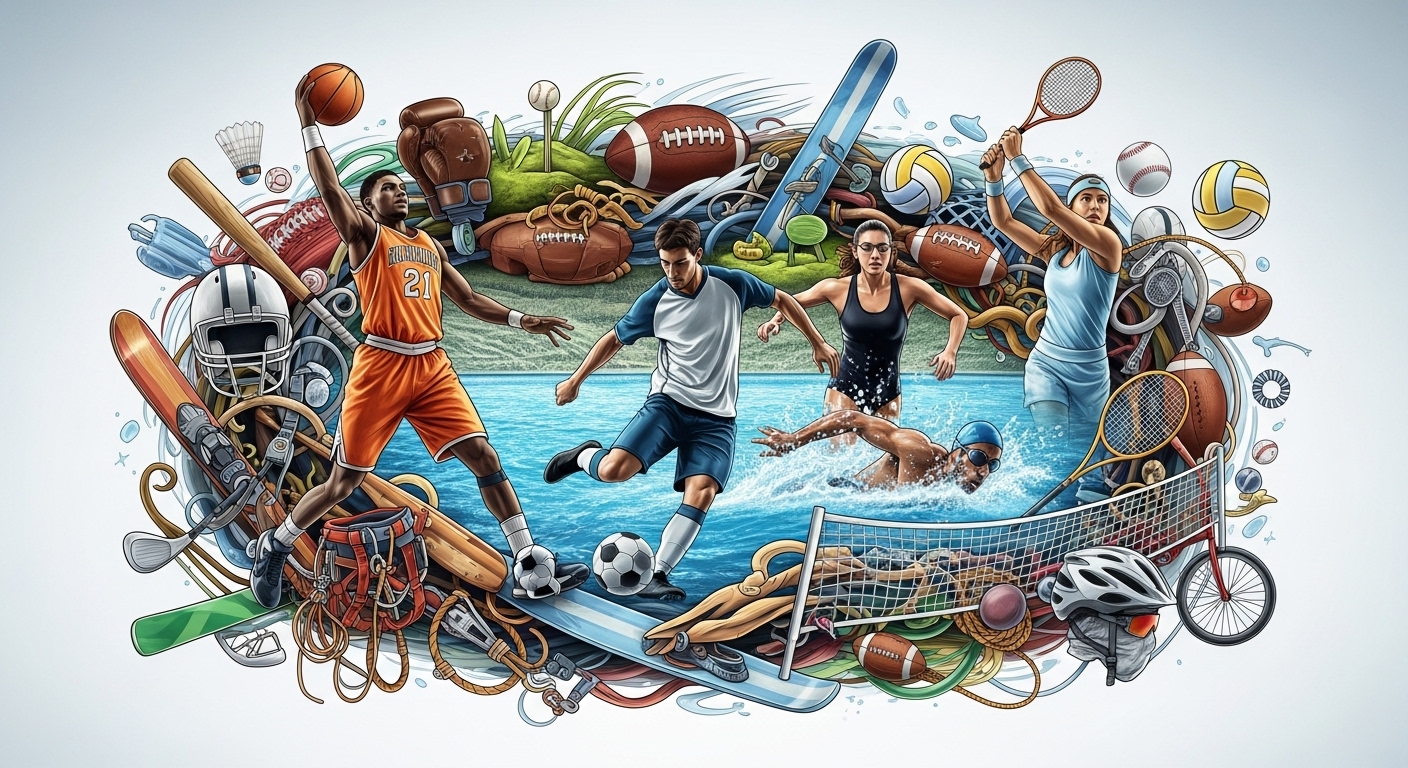
Introduction: The Universal Language of Sports
Sports are far more than just physical competitions. From the thrill of a last-minute goal to the shared joy of a team victory, sports create moments that transcend borders, cultures, and languages. They bring people together, offer life lessons, and have an impact that echoes in many areas of life. Whether played on a grand stage or in local parks, sports have the power to shape individuals and communities in ways that go beyond the field.
In this blog, we will explore the influence of sports on our daily lives. We’ll dive into how sports foster physical and mental health, teach valuable life skills, shape communities, and reflect societal issues. Through both individual and collective experiences, sports have an undeniable impact on the world we live in, offering much more than just entertainment or competition.
The Role of Physical Fitness and Health
At its core, sports promote physical fitness, which is essential for overall health and well-being. Engaging in sports activities enhances cardiovascular health, increases strength and flexibility, and improves coordination and balance. Whether you’re running, swimming, playing basketball, or lifting weights, consistent involvement in sports contributes to maintaining a healthy body.
Beyond these immediate benefits, sports have a long-term positive impact on health. They reduce the risks of chronic diseases such as heart disease, diabetes, and obesity. The physical activity involved in sports also boosts the immune system and helps to improve mental sharpness and focus.
For many, sports are not only a way to stay fit but also an avenue to challenge their bodies and surpass their limits. The discipline and dedication needed to improve performance in sports encourage individuals to push past their boundaries, which can be incredibly empowering. Athletes develop endurance and strength, but they also develop resilience—mentally and emotionally—giving them the tools to face life’s challenges.
Mental Health and Well-being
In addition to the physical benefits, sports play an essential role in mental health. Engaging in sports has been shown to alleviate stress, anxiety, and depression. Physical activity stimulates the production of endorphins, neurotransmitters that boost mood and promote feelings of happiness. This “runner’s high” or sense of exhilaration after exercise is not just a myth—it’s a physiological response that can significantly improve mental well-being.
Sports also act as a powerful form of stress relief. Whether it’s through a competitive game or simply playing for fun, sports allow individuals to take their minds off daily pressures and immerse themselves in the present moment. The focus required during a game or practice session can serve as a temporary escape, providing a mental break from work, school, or personal concerns.
Moreover, team sports in particular offer social benefits, helping individuals combat feelings of loneliness and isolation. The camaraderie, shared goals, and mutual support found in team environments foster a sense of belonging and boost self-esteem. The bonds formed through sports often extend beyond the game, leading to lasting friendships and a strong sense of community.
Teamwork, Leadership, and Social Skills
One of the most valuable lessons taught by sports is teamwork. Team sports like soccer, football, basketball, and volleyball require collaboration between athletes to achieve a common goal. Players learn how to communicate effectively, understand the strengths and weaknesses of others, and cooperate to maximize team performance.
In a team setting, individuals are also taught how to manage conflicts and work through differences. The emphasis on mutual respect and shared objectives ensures that players learn the importance of harmony and unity. These skills are essential in all areas of life, whether in personal relationships, the workplace, or in larger community settings.
Beyond teamwork, sports nurture leadership qualities. Whether you’re a captain or simply a player, you learn to take responsibility for your actions and decisions. Leaders on the field motivate their teammates, keep morale high, and make decisions under pressure. These leadership traits, honed on the playing field, can translate seamlessly into the professional world, where such qualities are highly valued.
In essence, sports offer a practical, hands-on way to develop social and leadership skills that are vital in everyday life.
Discipline, Time Management, and Goal Setting
The path to success in sports is paved with discipline, focus, and hard work. Athletes must commit to regular training schedules, adhere to strict diets, and maintain a balanced lifestyle. The discipline required to stay dedicated to a sport teaches individuals the importance of consistency and persistence. This commitment often extends into other areas of life, whether it’s in academics, career, or personal goals.
In addition, sports foster strong time management skills. Balancing practices, competitions, and other personal responsibilities teaches athletes how to organize their time efficiently. They must learn to prioritize their commitments, manage their energy, and stay on track. These time management skills are crucial for success in almost every aspect of life.
Sports also teach the power of goal setting. Athletes set short-term and long-term goals—whether it’s improving a specific skill or winning a championship. The process of setting goals, working toward them, and achieving them is incredibly rewarding. The satisfaction derived from accomplishing a difficult goal is a powerful motivator that can drive individuals to strive for even greater success.
Sports and Society: Building Communities
Sports play an important role in creating and maintaining community ties. Whether it’s a local sports league or a national competition, sports events often bring people together and promote a sense of unity. They encourage participation and interaction among people from different walks of life, helping to foster relationships and friendships that go beyond the playing field.
In many ways, sports act as a reflection of the society in which they are played. They reflect cultural values, social norms, and even political dynamics. For example, national pride is often on display during international sporting events, where athletes represent their countries on a global stage. These moments provide opportunities for citizens to rally behind their athletes and feel a collective sense of pride.
Local sports teams also have a unique ability to connect people. For many cities and towns, a beloved sports team becomes a source of community identity. The success of a local team can bring a city together, generating enthusiasm and a sense of shared purpose. Local sports events provide an opportunity for people to gather, cheer on their teams, and celebrate victories together.
Moreover, sports offer a sense of belonging for individuals who may otherwise feel marginalized or disconnected. In inclusive environments, sports can help people from different backgrounds, ethnicities, and socioeconomic statuses find common ground and build meaningful relationships.
Sports as a Catalyst for Social Change
In addition to their role in personal development and community building, sports can also serve as a platform for social change. Throughout history, athletes have used their visibility and influence to advocate for important causes, challenge societal norms, and break down barriers.
Iconic moments in sports history, such as Muhammad Ali’s stand against the Vietnam War or Jackie Robinson’s breaking of baseball’s color barrier, highlight the ability of sports to challenge the status quo. These athletes were not just competitors; they were symbols of resistance, courage, and progress. They used their platforms to speak out against inequality, racism, and injustice.
Today, athletes continue to use their voices to raise awareness on a wide range of issues, from racial equality to gender rights to mental health advocacy. The global nature of sports, combined with the visibility of athletes, provides a powerful platform for initiating conversations and mobilizing social change. This ability to influence public opinion is one of the most significant aspects of sports in the modern world.
The Global Impact of Sports
Sports are a global phenomenon. Events like the Olympics, the FIFA World Cup, and the Super Bowl attract millions of viewers from all corners of the globe. These global events unite people from different countries, backgrounds, and cultures in a shared celebration of athletic achievement.
International sports competitions also foster diplomacy and cultural exchange. Athletes represent their countries, but they also interact with athletes from around the world, creating opportunities for mutual understanding and respect. The friendships and connections that are formed through sports can transcend national and political differences, contributing to a more interconnected and peaceful world.
Additionally, sports are a multi-billion-dollar industry that provides jobs, boosts local economies, and promotes tourism. The construction of stadiums, development of sports infrastructure, and staging of major events create opportunities for economic growth and cultural exchange.
Conclusion: The Everlasting Impact of Sports
Sports are more than just games; they are a driving force that shapes our physical health, mental well-being, social connections, and even the direction of society. Whether on the field, in the community, or on the world stage, sports have the power to influence individuals and communities in ways that are both profound and lasting.
From building physical strength and emotional resilience to teaching teamwork and leadership, sports are an essential part of our lives. They bring us together, push us to achieve our best, and challenge us to grow as individuals. Whether you’re an athlete, a coach, or a fan, sports offer a meaningful way to connect, learn, and evolve.
As we continue to embrace the power of sports, it’s important to remember that their influence stretches far beyond the game. They are a universal language that speaks to our shared humanity, helping us to build stronger, healthier, and more connected communities. So, next time you lace up your sneakers or watch a game, take a moment to appreciate the deeper impact of sports and the role they play in shaping our world.
Leave a Reply