Introduction
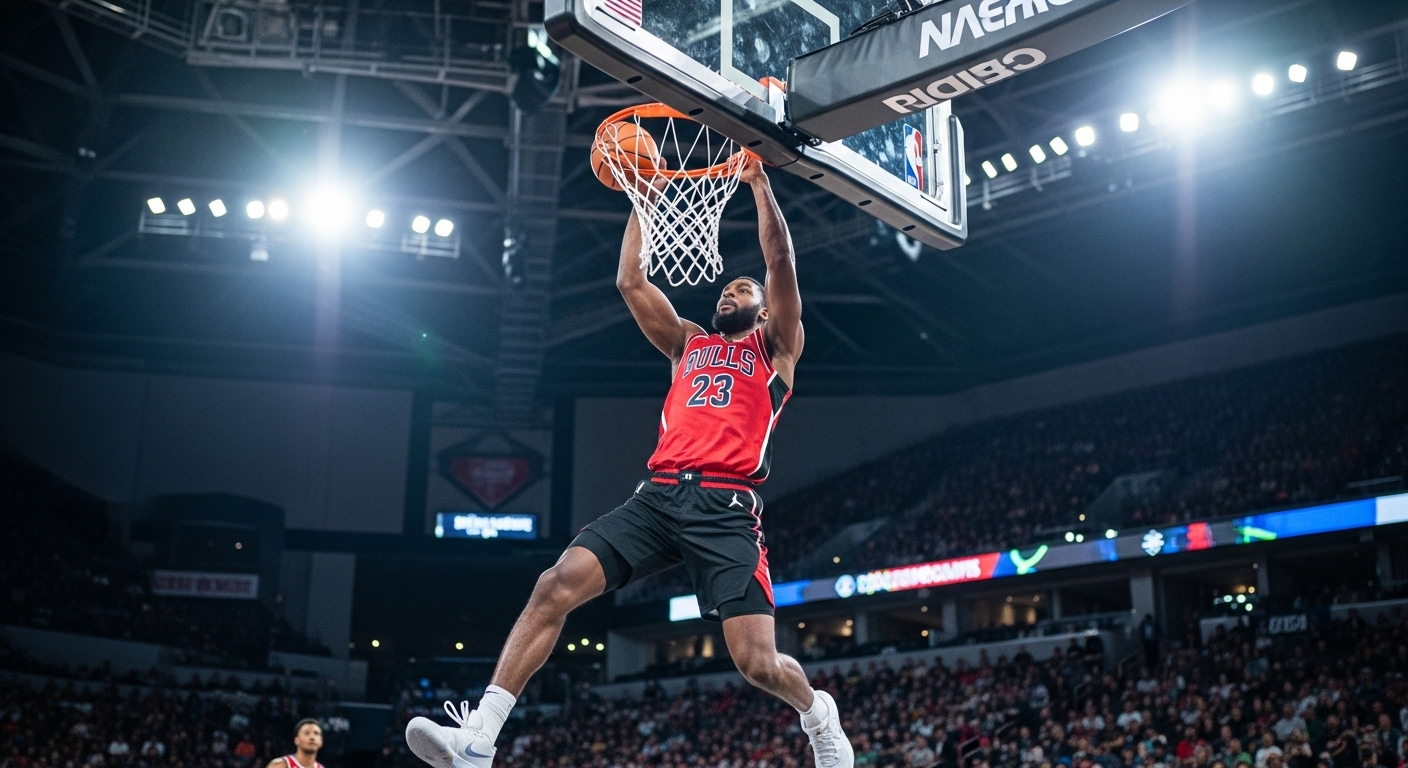
Sports are far more than games or competitions. They are a global language that connects hearts, breaks barriers, and celebrates the best of human potential. From ancient civilizations to the modern digital world, sports have been an integral part of life, shaping societies, teaching discipline, and inspiring individuals to reach greatness. The spirit of sports reflects determination, teamwork, and resilience—values that go beyond the boundaries of fields and stadiums. In this blog, we will explore how sports influence our bodies, minds, cultures, and the world at large.
The Historical Roots of Sports
Sports have existed for thousands of years. In ancient times, they were not only sources of recreation but also ways to prepare for war and build strength. The ancient Greeks introduced the Olympic Games around 776 BC to honor the gods and celebrate physical excellence. In Egypt, wrestling and archery were popular, while in China, traditional martial arts shaped their culture. Similarly, in ancient Rome, gladiators competed to demonstrate bravery and skill. As time passed, these activities evolved into organized sports that emphasized skill, strategy, and discipline rather than mere survival.
Sports as a Universal Language
One of the most powerful aspects of sports is their ability to transcend language, race, and religion. A goal scored in football, a sprint in athletics, or a basket in basketball brings joy and excitement understood by all. During global tournaments, people from different nations come together, united by a shared passion. Sports can connect even those who have nothing else in common. This universality is what makes sports a tool of peace, unity, and cultural exchange. It shows that, regardless of background, everyone can share in the emotions of victory, defeat, and perseverance.
The Physical Benefits of Playing Sports
Sports contribute immensely to maintaining a healthy lifestyle. Regular physical activity strengthens muscles, improves cardiovascular health, and enhances flexibility. Playing sports helps in controlling weight, reducing the risk of chronic diseases like obesity, diabetes, and hypertension. It also strengthens the immune system and keeps the body active. Children who play sports develop better motor skills and coordination. For adults, sports are an excellent way to stay fit, energetic, and young at heart. They offer a fun and engaging alternative to traditional exercise, ensuring long-term health benefits.
Mental and Emotional Wellbeing Through Sports
Sports not only build physical strength but also nurture mental resilience. The challenges faced during training and competition develop focus, confidence, and emotional balance. Sports teach individuals to manage pressure and stress, improving their ability to stay calm in tough situations. The release of endorphins during exercise naturally reduces anxiety and depression, promoting mental well-being. Moreover, sports teach acceptance—how to handle victory with grace and defeat with dignity. These psychological lessons often carry into everyday life, making people more positive, patient, and determined.
Sports as a Teacher of Life Lessons
Every sport teaches values that go beyond the game itself. Discipline, teamwork, patience, and integrity are lessons learned on every field and court. Athletes train for hours, often facing pain and failure before success. This journey teaches them that greatness does not come easily—it must be earned through dedication. The respect for rules and fair play also develops strong moral character. Sports show that true success lies not only in winning but in giving one’s best effort, maintaining honesty, and showing respect for opponents.
Teamwork and Leadership Through Sports
In any team sport, success depends on collaboration and communication. Each player must perform their role while trusting others to do the same. This builds a sense of unity and teaches the importance of teamwork. Players learn how to cooperate, adapt, and support one another to achieve a shared goal. Leadership naturally emerges in this environment, as captains and senior players motivate their teams and lead by example. These qualities—teamwork, leadership, and mutual respect—are essential in all areas of life, including workplaces, families, and communities.
The Economic Impact of Sports
Sports are not only about passion and play—they also contribute significantly to the global economy. The sports industry generates billions in revenue each year through events, broadcasting, tourism, and merchandise. Major tournaments create jobs, boost tourism, and develop infrastructure. Sports clubs, academies, and fitness centers also contribute to local economies by encouraging business and employment. Athletes themselves often become brands, inspiring industries in fashion, health, and entertainment. Sports demonstrate how something driven by passion can also fuel prosperity and innovation.
The Rise of Women in Sports
One of the most inspiring developments in modern times is the rise of women in sports. For centuries, women faced cultural and social barriers that limited their participation. Today, female athletes around the world are breaking records and proving their strength and skill. Icons like Serena Williams, Megan Rapinoe, and Mary Kom have shown that talent has no gender. Women’s sports leagues are growing, encouraging young girls to pursue their dreams. The success of women in sports not only promotes gender equality but also inspires confidence and empowerment in every aspect of life.
Sports and Education
Educational institutions play a vital role in promoting sports. Schools and colleges encourage students to participate in athletic activities alongside academics, creating well-rounded individuals. Sports in education teach students discipline, focus, and perseverance. They also provide an opportunity to develop leadership qualities and time management skills. Many educational systems offer scholarships for talented athletes, giving them a chance to pursue both education and their passion for sports. A balance of academics and athletics creates stronger minds and bodies capable of facing real-world challenges.
National Pride and Identity Through Sports
Few things bring people together like national sports events. When athletes represent their country in international competitions, they embody national pride, unity, and hope. Victories in major tournaments ignite celebrations across entire nations, creating moments of joy that cross cultural and regional divides. Sports serve as a reminder that hard work, dedication, and teamwork can bring glory to the nation. Athletes become symbols of identity and inspiration, motivating others to pursue excellence in their own fields.
Sports as a Catalyst for Social Change
Throughout history, sports have been a platform for social transformation. Many athletes have used their fame to speak out against injustice and inequality. From advocating for racial equality to standing up for gender rights, sports figures have influenced society in powerful ways. Sporting events also promote inclusion and acceptance among diverse groups. Programs that encourage children from underprivileged backgrounds to play sports help in reducing poverty and crime, giving them a positive path forward. Sports thus become an instrument for hope, equality, and progress.
Challenges in the Modern Sports World
While sports bring joy and inspiration, they also face significant challenges. Issues like corruption, match-fixing, and doping harm the integrity of competition. Over-commercialization sometimes prioritizes profit over fair play. Athletes also face intense pressure to perform, which can lead to mental stress and burnout. Moreover, unequal access to resources prevents many talented individuals from reaching their potential. Addressing these problems requires stronger regulations, mental health support, and equal opportunities for all athletes. Ensuring fairness and transparency will protect the true spirit of sports.
The Technological Transformation of Sports
Technology has revolutionized the world of sports. Modern tools such as video analysis, artificial intelligence, and virtual reality have changed how athletes train and perform. Wearable devices track health data, helping players improve their endurance and recovery. Fans now enjoy immersive experiences through digital platforms, enhancing global engagement. Technology has also made sports more accessible, allowing millions to follow events in real time. In the future, innovations will continue to improve safety, performance, and fan interaction, making sports even more exciting and inclusive.
Environmental Sustainability in Sports
As the world becomes more conscious of environmental issues, the sports industry is also taking steps toward sustainability. Major events are adopting eco-friendly practices such as using renewable energy, reducing waste, and promoting recycling. Stadiums are being designed with green technologies to reduce carbon footprints. Athletes and organizations are using their platforms to raise awareness about climate change. The connection between sports and sustainability highlights how physical activity and nature are intertwined, reminding us of the importance of protecting the planet that hosts our games.
The Future of Sports
The future of sports promises growth, diversity, and innovation. Esports, for example, have gained global recognition, appealing to a new generation of digital athletes. Traditional sports are becoming more inclusive, with adaptive games for people with disabilities gaining prominence. The focus on mental health and well-being is also increasing, ensuring that athletes receive the support they need. As society evolves, sports will continue to be a reflection of humanity’s progress, creativity, and resilience. The next generation will not only play sports but also redefine what competition and teamwork mean in an interconnected world.
Sports and Global Peace
Sports often succeed in creating peace where politics cannot. International competitions encourage mutual respect and cooperation among nations. The Olympic Games, for instance, symbolize unity and harmony across borders. When athletes from opposing countries compete with fairness and respect, they send a powerful message of peace and friendship. Sports diplomacy has even helped resolve conflicts, reminding the world that humanity is stronger when united. This ability to inspire peace and understanding makes sports one of the most powerful forces in the modern world.
Conclusion
Sports are not just about winning or losing—they are about living, learning, and growing. They build strong bodies, disciplined minds, and compassionate hearts. They unite communities, empower individuals, and uplift nations. Every match, every race, and every competition tells a story of dedication, courage, and hope. The spirit of sports reminds us that success comes through hard work, unity, and fair play. In a world filled with differences, sports stand as a timeless reminder that we are all connected by a shared love for challenge, achievement, and the pursuit of greatness.
Word Count: 1,514 words
Leave a Reply