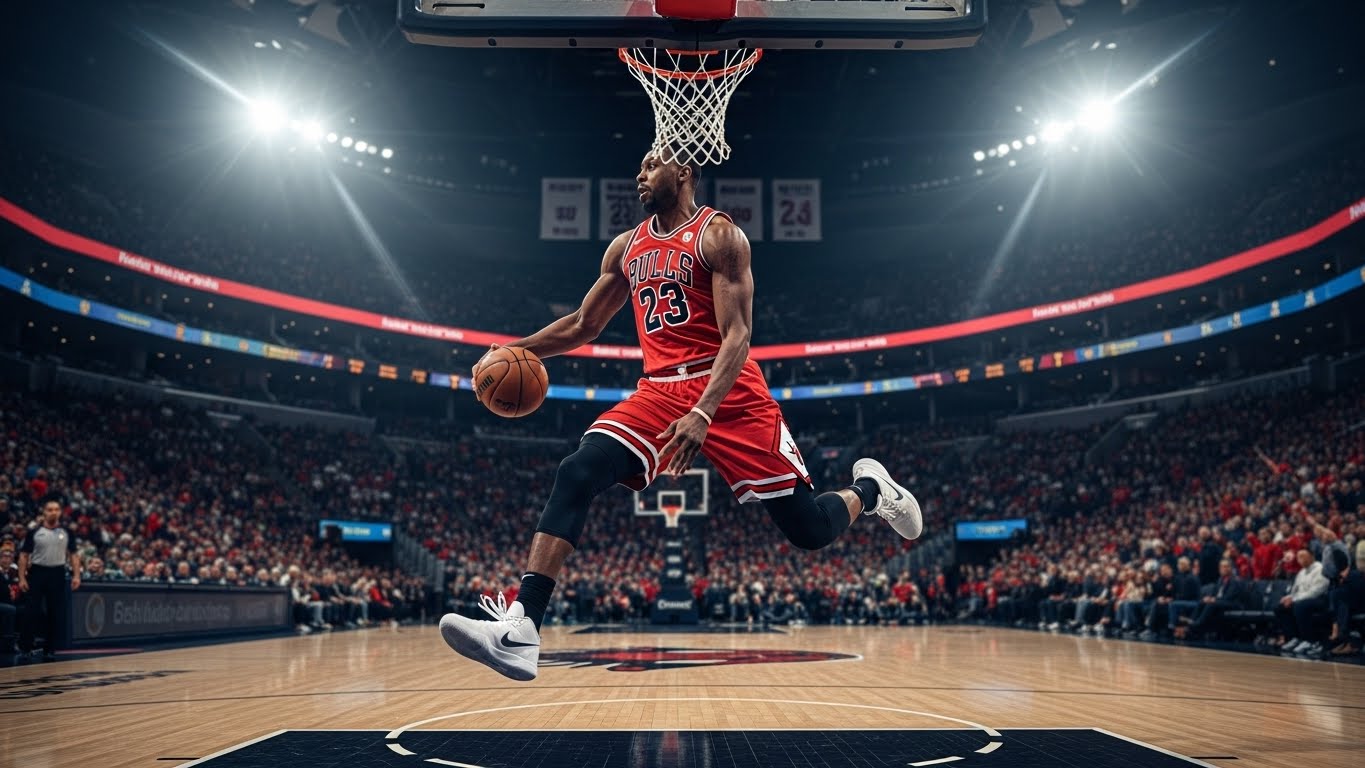
Introduction: More Than Just a Game
Sports have always been more than a competition between two sides or a tally of points at the end of a match. They are woven deeply into human history, influencing societies, shaping identities, and inspiring generations. From dusty village fields to massive international stadiums filled with roaring crowds, sports connect people across borders, languages, and beliefs. While many view sports purely as entertainment, their true value lies in their ability to teach discipline, unity, resilience, and ambition. In today’s fast-changing world, sports continue to evolve, yet their core purpose remains the same: to bring people together and push the limits of human potential.
The Historical Roots of Sports and Human Civilization
Sports have existed as long as civilization itself. Ancient cultures used physical competitions not only for entertainment but also as preparation for survival, warfare, and community bonding. The Olympic Games in ancient Greece were a celebration of physical excellence and honor, where athletes competed not for money but for pride and recognition. Similarly, traditional sports in Asia, Africa, and the Americas were deeply connected to rituals, festivals, and local traditions. These early forms of sports laid the foundation for modern organized competitions. They reflect humanity’s long-standing desire to test strength, skill, and endurance while celebrating collective achievement.
Sports as a Universal Language
One of the most powerful aspects of sports is their ability to transcend differences. Regardless of nationality, religion, or economic background, people understand the emotions tied to victory and defeat. A goal scored, a last-second shot, or a record-breaking performance can unite millions in shared joy or heartbreak. Sports speak a universal language that does not require translation. When athletes compete on the global stage, they represent more than themselves; they carry the hopes and pride of entire nations. This shared experience fosters mutual respect and understanding, proving that sports can bridge divides where words often fail.
The Mental Strength Behind Physical Performance
While physical ability is essential, mental strength often determines success in sports. Athletes must cope with pressure, expectations, and setbacks that test their emotional resilience. The ability to stay focused during critical moments separates good players from great ones. Sports teach valuable mental skills such as concentration, patience, and emotional control. These lessons extend beyond the field and into everyday life. Whether handling academic stress, professional challenges, or personal struggles, the mindset developed through sports helps individuals face adversity with confidence and determination.
Team Sports and the Power of Collective Effort
Team sports highlight the importance of cooperation and trust. No matter how talented an individual may be, success often depends on teamwork. Players must learn to communicate effectively, support one another, and sacrifice personal glory for the greater good. This collective effort builds strong bonds and teaches accountability. Team sports reflect real-life situations where collaboration is essential, whether in workplaces, families, or communities. Through shared goals and mutual respect, athletes learn that true success is achieved together, not alone.
Individual Sports and the Journey of Self-Discovery
Individual sports offer a different but equally valuable experience. Athletes competing alone face their fears, limitations, and self-doubt directly. Success in individual sports requires discipline, self-motivation, and inner strength. These athletes learn to take full responsibility for their performance, both in victory and defeat. This journey of self-discovery builds character and self-awareness. It teaches individuals to set personal goals, push beyond comfort zones, and continuously strive for improvement. The lessons learned through individual sports often lead to personal growth that lasts a lifetime.
The Role of Sports in Youth Development
Sports play a crucial role in shaping young minds. Participation in sports helps children develop physical fitness, social skills, and self-confidence. It teaches them the importance of rules, fairness, and respect for others. Young athletes learn how to handle winning with humility and losing with grace. Sports also provide a positive outlet for energy and emotions, reducing stress and promoting mental well-being. For many young people, sports offer direction, purpose, and a sense of belonging, especially in environments where opportunities may be limited.
Sports and Cultural Identity
In many countries, sports are closely tied to national and cultural identity. Certain games become symbols of pride and heritage, passed down through generations. Sporting traditions reflect local values, history, and community spirit. Major tournaments often bring entire nations to a standstill, as people gather to support their teams. These moments strengthen cultural bonds and create shared memories. Sports celebrations and rivalries contribute to a sense of identity, reminding people of where they come from and what they stand for.
The Business and Media Influence on Modern Sports
In the modern era, sports have become a major global industry. Media coverage, sponsorships, and commercialization have transformed how sports are played and consumed. Athletes are now global icons, influencing fashion, lifestyle, and popular culture. While this growth has brought financial opportunities and technological advancements, it has also introduced challenges. The pressure to perform, constant public scrutiny, and commercial interests can sometimes overshadow the spirit of the game. Balancing tradition with progress remains an ongoing challenge for the sports world.
Technology and the Evolution of Performance
Technology has significantly changed the way sports are trained, analyzed, and experienced. Advanced equipment, data analysis, and sports science have improved athlete performance and reduced injuries. Fans can now engage with sports in real time through broadcasts and digital platforms. While technology enhances fairness and accuracy, it also sparks debate about preserving the human element of sports. Despite these changes, the essence of competition remains rooted in human effort, passion, and unpredictability.
Sportsmanship and Ethical Values
At its core, sports are built on values such as fairness, respect, and integrity. Sportsmanship teaches athletes to compete with honor and respect their opponents. Ethical behavior in sports sets an example for society, especially for young fans who look up to athletes as role models. While controversies and misconduct can damage the image of sports, acts of honesty and respect restore faith in their true purpose. Upholding ethical values ensures that sports remain a positive force for inspiration and character building.
The Emotional Impact of Sports on Fans
For fans, sports are deeply emotional. Supporting a team often becomes part of personal identity. Fans invest time, energy, and passion into following their favorite athletes and teams. The highs of victory bring immense joy, while defeats can feel deeply personal. This emotional connection creates lifelong memories and strong community bonds. Sports provide an escape from daily routines and offer moments of excitement, hope, and unity that are difficult to replicate elsewhere.
The Future of Sports in a Changing World
As society continues to evolve, so will sports. Issues such as inclusivity, gender equality, and sustainability are shaping the future of athletics. There is growing awareness of mental health, athlete welfare, and fair representation. Sports are becoming more accessible to diverse communities, breaking traditional barriers. The future promises innovation while also demanding responsibility. Preserving the spirit of competition while adapting to modern values will define the next era of sports.
Conclusion: Why Sports Will Always Matter
Sports endure because they reflect the best and worst of human nature. They showcase determination, creativity, resilience, and unity, while also reminding us of our limitations and imperfections. Beyond trophies and records, sports shape character, build communities, and inspire dreams. They teach lessons that extend far beyond the playing field, influencing how people live, work, and connect with one another. As long as humans seek challenge, connection, and meaning, sports will continue to hold a powerful place in our world.
Leave a Reply