Category: Blog

Your blog category

  • The Pulse of Humanity: How Sports Shape Lives and Culture

    The Pulse of Humanity: How Sports Shape Lives and Culture

    Introduction: Sports as a Universal Language
    Sports have always been a defining feature of human civilization. They are more than games; they are a reflection of culture, resilience, and creativity. From ancient Olympic competitions to the modern global spectacles, sports transcend language, ethnicity, and geography. They bring people together, teach life lessons, and inspire both players and spectators alike. The thrill of competition, the dedication required to excel, and the joy of participation make sports a vital part of society. In this blog, we will explore the evolution of sports, their social and personal impact, and why they continue to captivate people across the world.

    The Historical Evolution of Sports
    The origins of organized sports trace back thousands of years. In ancient Greece, the Olympics celebrated physical prowess and human excellence. Egypt and Mesopotamia had athletic events that were intertwined with religious and cultural practices. These early competitions emphasized discipline, skill, and the celebration of human potential.

    As civilizations advanced, sports evolved alongside society. Medieval Europe saw jousting tournaments and archery contests, while indigenous cultures worldwide developed games that reflected their environment, traditions, and values. With the Industrial Revolution, modern team sports like football, cricket, and basketball emerged, formalizing rules, organizing leagues, and cultivating fan followings. Over time, sports became not only a form of physical activity but also a significant cultural and economic force.

    Physical and Mental Benefits of Sports
    Engaging in sports is critical for physical health. Regular participation enhances cardiovascular fitness, builds muscle strength, improves flexibility, and boosts overall well-being. Beyond physical benefits, sports positively influence mental health. They reduce stress, increase self-esteem, and foster emotional resilience.

    Competitive sports cultivate focus, patience, and strategic thinking. Players learn to handle pressure, make split-second decisions, and persevere through challenges. Even at amateur levels, these experiences translate into valuable life skills, helping individuals navigate obstacles in professional, academic, and personal spheres.

    The Social Impact of Sports
    Sports have an unparalleled ability to unite communities. Major events like the FIFA World Cup, the Olympics, or regional championships bring people together, creating moments of shared excitement and national pride. Fans, regardless of background, come together to celebrate victories, support their teams, and experience the collective thrill of competition.

    Moreover, sports act as a platform for social change. Athletes often use their influence to advocate for equality, education, and social justice. They inspire communities, challenge stereotypes, and encourage young people to pursue dreams beyond societal limitations. Through both participation and spectatorship, sports foster a sense of belonging and shared identity.

    Team Sports vs Individual Sports
    Sports can be broadly divided into team and individual disciplines, each offering unique benefits. Team sports, such as football, basketball, and hockey, emphasize collaboration, communication, and mutual accountability. Success depends on coordinated effort, trust, and understanding among team members, teaching the importance of working collectively toward common goals.

    Individual sports, such as tennis, swimming, or gymnastics, focus on personal discipline, mental resilience, and self-reliance. Athletes in these fields must rely on their own abilities, pushing personal limits to achieve excellence. Both team and individual sports develop essential life skills, including problem-solving, perseverance, and goal-setting, demonstrating the multifaceted value of athletic endeavors.

    The Role of Technology in Modern Sports
    Technology has revolutionized sports in unprecedented ways. Advanced training equipment, wearable performance trackers, and data analytics enable athletes to optimize performance and minimize injury risks. Video analysis and artificial intelligence help coaches develop strategies and make informed decisions, elevating both individual and team capabilities.

    Spectators also benefit from technology. High-definition broadcasts, instant replays, and immersive virtual experiences make following sports more engaging. Social media allows fans to interact directly with athletes, creating a dynamic relationship between players and audiences. These innovations enhance the experience of sports, both on and off the field, while making them more accessible and interactive.

    Globalization and Sports
    Sports have become a global phenomenon, crossing national boundaries and connecting cultures. International leagues and tournaments showcase talent from around the world, promoting cultural exchange and understanding. Athletes become ambassadors of their countries, and fans from diverse regions share in the excitement, creating a universal community united by passion and admiration.

    Global sports events also drive economic growth. They generate employment, stimulate tourism, and foster investment in infrastructure. The globalization of sports underscores its power not only as entertainment but also as a force for cultural diplomacy and international cohesion.

    Women in Sports: Breaking Barriers
    Women’s participation in sports has grown tremendously over the past few decades. Female athletes have excelled in football, cricket, athletics, and countless other disciplines, challenging long-standing stereotypes. Increased visibility, sponsorship, and media coverage have elevated women’s sports to new heights, inspiring younger generations to pursue athletic ambitions.

    Women in sports demonstrate resilience, leadership, and excellence. Their achievements promote equality, empower communities, and enrich the sporting landscape, proving that athletic talent transcends gender. The rise of women’s sports signifies a broader movement toward inclusivity and social progress.

    Youth and Sports: Nurturing the Future
    Introducing children and adolescents to sports provides lifelong benefits. Youth participation develops physical fitness, social skills, and emotional resilience. Team sports teach cooperation, communication, and fair play, while individual sports foster self-discipline, goal-setting, and confidence.

    Sports also offer an outlet for energy, creativity, and healthy competition. Mentorship from coaches and experienced athletes instills values such as responsibility, dedication, and leadership. Early engagement in sports lays the foundation for a balanced, disciplined, and ambitious life.

    Sports as Entertainment
    Beyond physical activity, sports serve as a primary form of entertainment. Stadiums and arenas host events that draw millions of spectators, creating excitement, suspense, and communal engagement. Fans experience a wide range of emotions, from exhilaration to heartbreak, forming deep connections with athletes and teams.

    Sports entertainment extends to media, digital platforms, and fantasy leagues, enriching the spectator experience. By blending competition, storytelling, and technology, sports captivate audiences, maintaining relevance and excitement in an ever-changing entertainment landscape.

    Ethics, Fair Play, and Sportsmanship
    Sports emphasize ethics, integrity, and fair play. Rules exist to ensure balanced competition, while principles like respect, humility, and accountability are essential for cultivating sportsmanship. Athletes learn to celebrate victories gracefully and accept defeat with dignity, shaping character and moral values.

    Challenges such as doping, corruption, and unethical behavior occasionally arise, reminding the community of the importance of integrity. Upholding ethical standards ensures that sports remain a source of inspiration, role modeling, and authentic achievement.

    The Psychological Aspects of Sports
    Mental resilience is as critical as physical ability in sports. Focus, motivation, stress management, and confidence significantly impact performance. Athletes develop coping strategies to navigate pressure, overcome setbacks, and sustain performance under challenging conditions.

    Sports also influence fans psychologically. Emotional investment in teams and athletes fosters identity, belonging, and shared experience. The passion, hope, and camaraderie generated by sports extend their impact beyond the playing field, demonstrating their profound influence on human emotion and social cohesion.

    The Future of Sports
    The future of sports promises innovation, accessibility, and inclusivity. Emerging technologies like virtual reality, AI-driven training, and wearable performance monitors will redefine how athletes train and compete. Inclusive sports programs will expand opportunities for marginalized communities, promoting equality and social empowerment.

    Sports will continue to adapt to global trends while maintaining their core principles of competition, teamwork, and personal growth. They will remain a source of inspiration, cultural exchange, and emotional engagement, ensuring their relevance for generations to come.

    Conclusion: Sports as a Reflection of Human Potential
    Sports are far more than entertainment or competition; they are a reflection of human potential, discipline, and creativity. They unite communities, inspire individuals, and provide lessons in perseverance, teamwork, and resilience. Through participation and spectatorship, sports enhance physical, mental, and social well-being.

    From ancient traditions to modern global events, sports continue to evolve while maintaining their universal appeal. They remind us of our shared humanity, the value of dedication, and the power of collective effort. Beyond the game itself, sports embody the spirit of ambition, passion, and connection, making them an enduring and transformative aspect of human life.
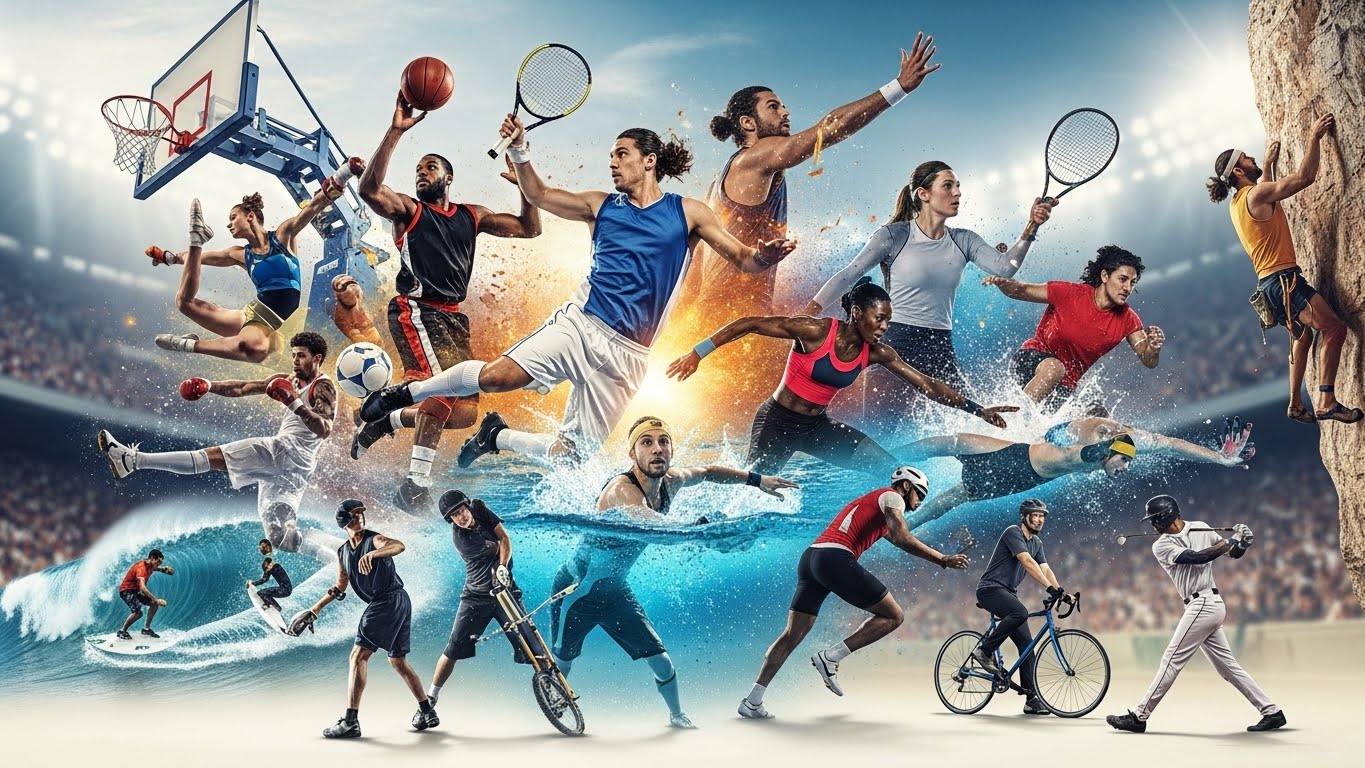

  • The Everlasting Thrill of Sports: Beyond Competition and Records

    The Everlasting Thrill of Sports: Beyond Competition and Records

    Introduction: The Universal Language of Sports
    Sports have always held a special place in human society. From the earliest Olympic Games in ancient Greece to modern professional leagues, sports have transcended borders, languages, and cultures. They serve as a universal language that connects people, instills discipline, and inspires both players and fans alike. While many view sports merely as a form of entertainment or competition, the deeper value lies in the lessons they teach about resilience, teamwork, and personal growth. Whether it is football, basketball, cricket, tennis, or swimming, sports offer a dynamic platform where human potential can be pushed to its limits.

    The Physical Benefits of Sports
    One of the most immediate and tangible benefits of sports is physical health. Engaging in regular physical activity through sports strengthens the cardiovascular system, improves muscular strength, enhances flexibility, and boosts overall endurance. Activities like running, swimming, or cycling not only burn calories but also improve metabolic efficiency. Sports also help in reducing the risk of chronic diseases such as obesity, diabetes, and hypertension. Beyond physical health, participating in sports encourages the development of fine and gross motor skills, improving coordination and agility. Athletes often experience higher energy levels, better sleep patterns, and enhanced immune function compared to individuals with a sedentary lifestyle.

    Mental and Emotional Impact of Sports
    While the physical advantages are significant, the psychological benefits of sports are equally profound. Engaging in sports stimulates the release of endorphins, chemicals in the brain that promote a sense of well-being and reduce stress. Regular participation in sports can help combat anxiety and depression by offering a structured routine and a sense of achievement. Team sports, in particular, foster a sense of belonging and emotional resilience. Individuals learn how to cope with both victories and defeats, enhancing emotional intelligence. Sports also cultivate focus, discipline, and strategic thinking, as athletes must constantly assess situations, make split-second decisions, and adapt to changing circumstances.

    Teamwork and Social Skills
    Sports are not only about individual performance; they are a powerful medium for building teamwork and social skills. Participating in team sports such as football, hockey, or volleyball teaches players how to collaborate effectively, communicate clearly, and respect others’ perspectives. Leadership qualities emerge as players take responsibility for guiding teammates and making crucial decisions under pressure. Even individual sports like tennis or gymnastics foster social interaction through competitions and training sessions. The camaraderie developed through sports often extends beyond the field, helping individuals forge lasting friendships and a supportive community. Sports create a sense of shared purpose, where success depends not only on personal skill but also on collective effort.

    The Role of Sports in Character Development
    Sports serve as a microcosm of life, offering valuable lessons that extend far beyond the playing field. They teach perseverance, determination, and the importance of hard work. Athletes learn to set goals, handle setbacks, and remain motivated in the face of adversity. This ability to bounce back from failure is an essential life skill, applicable to academics, careers, and personal relationships. Sports also instill a sense of fairness, respect for rules, and ethical conduct. The discipline required to maintain rigorous training schedules and follow structured strategies reinforces time management and responsibility. These experiences collectively shape an individual’s character, fostering qualities that are admired in all aspects of society.

    Sports as a Cultural Phenomenon
    Throughout history, sports have played a crucial role in shaping cultures and societies. Major sporting events, such as the Olympics, World Cups, or national leagues, often unite nations and bring communities together. Sports can act as a platform for promoting national pride, celebrating cultural diversity, and inspiring collective enthusiasm. Traditional games and indigenous sports reflect the unique heritage of different regions, preserving history and promoting cultural identity. Moreover, sports have the power to break social barriers and promote inclusion. They create opportunities for marginalized groups to gain recognition and foster social equality, making sports a vital tool for societal development.

    Technological Advancements and Their Impact on Sports
    In recent years, technology has revolutionized the way sports are played, analyzed, and consumed. From wearable devices that monitor health metrics to sophisticated video analytics that enhance performance, technology has made sports more precise and competitive. High-speed cameras, virtual reality simulations, and artificial intelligence have changed training methods, enabling athletes to study opponents and refine techniques in ways that were previously unimaginable. Even fans benefit from technological advancements, enjoying immersive experiences through live broadcasts, interactive apps, and real-time statistics. While the essence of sports remains rooted in physical skill and strategy, technology continues to expand the boundaries of human achievement.

    The Economic Significance of Sports
    Sports have grown into a multi-billion-dollar global industry, contributing significantly to national and local economies. Professional leagues, sponsorships, broadcasting rights, merchandise, and tourism generate immense revenue. Sporting events create employment opportunities, boost infrastructure development, and stimulate small businesses around venues. Beyond financial aspects, sports serve as a career pathway for athletes, coaches, and support staff, providing long-term professional stability. Additionally, sports drive investment in youth programs and grassroots initiatives, ensuring that talent is nurtured from an early age. The economic impact of sports highlights its importance not only as recreation but also as a catalyst for growth and prosperity.

    Sports and Education: A Symbiotic Relationship
    Sports and education share a mutually beneficial relationship. Schools and colleges integrate sports into their curricula to promote holistic development. Participation in athletics enhances academic performance by improving concentration, cognitive function, and time management skills. Student-athletes often learn the value of balancing multiple responsibilities, fostering maturity and independence. Educational institutions provide a structured environment for talent development, while sports encourage life skills such as leadership, resilience, and ethical conduct. Scholarships and athletic programs further open doors for higher education, demonstrating how sports can empower individuals to achieve personal and professional goals.

    The Global Appeal of Sports
    One of the most remarkable aspects of sports is their global appeal. Major events attract millions of viewers worldwide, transcending language and geographical barriers. Iconic athletes become role models, inspiring generations to pursue excellence. Sports diplomacy often fosters international cooperation, with competitions serving as a platform for dialogue and goodwill. Fans celebrate the thrill of victory, the agony of defeat, and the spectacle of skill, creating a shared experience that connects humanity. Whether through local matches in small towns or grand stadiums hosting international tournaments, sports maintain a universal charm that unites people across cultures and generations.

    Conclusion: More Than Just a Game
    Sports are far more than a form of entertainment; they are a reflection of human spirit, determination, and creativity. From enhancing physical and mental health to building social bonds and shaping character, the benefits of sports are vast and multifaceted. They act as a catalyst for personal growth, cultural expression, and economic development, demonstrating their integral role in society. In a world often divided by differences, sports remain a powerful unifying force, reminding us that collaboration, perseverance, and passion can overcome challenges both on and off the field. Engaging in sports, whether as a player or a fan, allows individuals to experience the joy of achievement, the lessons of failure, and the thrill of competition. Ultimately, sports embody the essence of life itself: dynamic, unpredictable, and exhilarating.

  • The Power of Sports: Beyond the Game

    The Power of Sports: Beyond the Game

    Sports have been an integral part of human civilization for centuries. From ancient Greek Olympiads to modern-day global tournaments, sports have always served as a reflection of society, culture, and the human spirit. While many view sports merely as a form of entertainment or physical activity, its impact extends far beyond the playing field. It shapes character, strengthens communities, and fosters global connections.

    The Historical Significance of Sports

    The origins of sports trace back thousands of years, serving both ceremonial and practical purposes. Ancient civilizations such as Egypt, Greece, and Rome used sports for training warriors, celebrating victories, and entertaining the masses. The Olympic Games, first held in Greece in 776 BC, stand as a testament to humanity’s enduring fascination with competition. These early events were more than games; they were a reflection of cultural pride and human excellence.

    Over centuries, sports evolved with society. Traditional sports like wrestling, archery, and horse racing gradually gave way to organized competitions with codified rules, leagues, and international tournaments. Sports became a universal language, allowing people from diverse backgrounds to connect through shared experiences and values.

    Physical Benefits of Sports

    The physical advantages of participating in sports are obvious but profound. Regular engagement in sports enhances cardiovascular health, builds strength, improves flexibility, and boosts endurance. Unlike conventional workouts, sports combine exercise with fun, keeping participants motivated over time.

    Beyond physical fitness, sports play a significant role in managing stress and mental health. Activities like running, swimming, or playing team games trigger the release of endorphins, chemicals in the brain that promote happiness and reduce anxiety. Children and adults alike benefit from the structured physical activity that sports provide, fostering healthier lifestyles and reducing risks of obesity, diabetes, and heart-related issues.

    Mental and Emotional Growth Through Sports

    Sports are not just about the body; they are equally a workout for the mind. Participating in sports enhances critical life skills such as focus, discipline, and strategic thinking. Athletes learn to analyze situations, make split-second decisions, and adapt to unpredictable circumstances, skills that are transferable to professional and personal life.

    Additionally, sports teach resilience and emotional control. Experiencing both victory and defeat fosters humility, patience, and perseverance. Losing a game can be as educational as winning one, helping individuals build a balanced perspective on success and failure. This emotional maturity is crucial in developing well-rounded individuals who can handle life’s challenges with grace.

    Building Teamwork and Social Skills

    One of the most significant benefits of sports is its ability to nurture social connections and teamwork. Team sports like football, basketball, and cricket require coordination, cooperation, and communication among players. Participants learn to trust their teammates, share responsibilities, and work collectively toward a common goal.

    Even in individual sports such as tennis or athletics, social interaction plays a vital role. Competitions, training sessions, and sports communities encourage camaraderie, friendship, and mentorship. Sports break down barriers of age, gender, and culture, fostering inclusivity and mutual respect among participants.

    Sports as a Tool for Education

    Sports and education are deeply intertwined. Academic institutions worldwide recognize the importance of physical education and extracurricular sports programs. Engaging in sports can enhance cognitive abilities, improve concentration, and promote better academic performance. Research shows that students who actively participate in sports often exhibit higher levels of discipline, time management, and self-confidence.

    Moreover, sports instill ethical values and integrity. Fair play, honesty, and respect for rules are essential principles that athletes learn and carry into other aspects of life. By integrating sports into education, societies ensure that children grow not just physically but morally and socially as well.

    Economic and Career Opportunities in Sports

    Sports are not only beneficial personally but also professionally. The sports industry is a significant global economic driver, encompassing professional leagues, coaching, equipment manufacturing, fitness centers, and media coverage. Athletes, coaches, sports analysts, and entrepreneurs find numerous career opportunities within this ecosystem.

    Furthermore, sports events attract tourism, generate employment, and boost local businesses. Hosting international tournaments can transform cities, improving infrastructure and global visibility. Even beyond professional careers, sports provide avenues for personal growth and networking, opening doors to opportunities that extend beyond the game.

    Sports and Community Development

    Communities worldwide leverage sports to build cohesion and engagement. Local leagues, community tournaments, and public sports facilities encourage people to come together, share experiences, and develop a sense of belonging. Sports foster civic pride, social responsibility, and collaboration among residents.

    In many regions, sports are used as a tool for social change. Initiatives focusing on youth empowerment, health awareness, and gender equality use sports to reach audiences effectively. By promoting teamwork, discipline, and inclusion, sports become more than a pastime—they become a catalyst for positive societal transformation.

    The Role of Sports in Global Diplomacy

    Sports have a unique power to bridge cultural and political divides. International competitions like the Olympics, World Cup, and Commonwealth Games create a platform for countries to interact peacefully through friendly competition. Sports diplomacy has historically played a role in easing tensions, fostering dialogue, and promoting understanding between nations.

    Athletes often become ambassadors of goodwill, demonstrating values of respect, unity, and collaboration. Fans across the globe celebrate talent regardless of nationality, language, or religion, illustrating the universal appeal and unifying force of sports.

    The Psychological Thrill of Spectating Sports

    While participating in sports has direct benefits, watching sports also has profound effects on people’s psyche. Spectators experience excitement, anticipation, and emotional investment, which create a sense of community and shared identity. Fans bond over victories, celebrate milestones, and even navigate collective disappointment, building social connections and emotional resilience.

    Moreover, sports spectatorship can inspire active participation. Watching skilled athletes perform can motivate individuals to pursue fitness goals, try new sports, or cultivate hobbies that enhance physical and mental well-being.

    Challenges in the World of Sports

    Despite its many advantages, sports face challenges that cannot be overlooked. Issues such as doping, corruption, unequal access, and gender disparities affect the integrity and inclusivity of sports. Injuries, performance pressure, and mental health struggles are common among professional athletes, highlighting the need for supportive systems and ethical practices.

    Addressing these challenges requires collaboration between governing bodies, communities, and individuals. Promoting fair play, creating safe environments, and ensuring equal opportunities for participation are essential steps toward sustaining the positive impact of sports globally.

    The Future of Sports

    The future of sports is both exciting and transformative. Technological advancements are reshaping training, performance analysis, and fan experiences. Innovations such as virtual reality, wearable devices, and artificial intelligence enable athletes to optimize performance and minimize injuries. Meanwhile, digital platforms allow fans to engage with sports like never before, fostering global communities and interactive experiences.

    Furthermore, the rise of adaptive and inclusive sports ensures that people of all abilities can participate and benefit. From wheelchair basketball to para-athletics, the expansion of accessible sports opportunities reflects society’s growing commitment to equity and empowerment.

    Conclusion: Sports as a Lifelong Journey

    Sports are far more than games or competitions—they are a celebration of human potential. They enrich lives physically, mentally, emotionally, and socially. Through sports, individuals learn discipline, resilience, teamwork, and empathy. Communities grow stronger, societies become more inclusive, and nations find common ground.

    Whether playing on a professional stage, participating in a local league, or cheering from the stands, sports invite us to connect with ourselves and others. They remind us that victory is sweet, defeat is instructive, and the journey—the effort, passion, and camaraderie—is what truly matters. In a world that often divides, sports unite, offering timeless lessons that extend far beyond the boundaries of the field.

    Sports are not just about winning; they are about growth, connection, and the endless pursuit of excellence. Every match played, every record broken, and every cheer from the crowd carries a story of dedication, perseverance, and the enduring human spirit.

  • The Pulse of Passion: How Modern Sports Shape Our Lives

    The Pulse of Passion: How Modern Sports Shape Our Lives


    Introduction: A World Moved by Motion

    Sports have always been more than games. They are woven into culture, identity, and the emotions of millions. Whether in the roaring stadiums of football giants, the quiet concentration of tennis courts, or the electrifying rush of basketball arenas, sports bring a sense of belonging and exhilaration that few other human activities can match. Today, sports are not just physical contests but global phenomenons that inspire, entertain, and transform societies. This blog explores the evolving world of sports, the passion that drives athletes, and how the games we love shape us in ways far beyond the scoreboard.


    The Emotional Gravity of Sports

    Sports are powerful because they connect to our emotions. Victory and defeat are universal human experiences, and watching them play out in real time allows spectators to feel a personal stake in every moment. Fans cry when their team loses a final, cheer until their voices crack after a last-minute goal, and celebrate achievements as if they were their own. This emotional intensity makes sports more gripping than any scripted drama.

    Athletes also carry emotional weight. Their journeys from childhood dreams to world stages create narratives of perseverance, resilience, and sacrifice. Stories of comebacks after injury or triumph against odds show us the extraordinary potential of human determination. These emotional threads are why sports remain timeless.


    The Evolution of Modern Sports Culture

    Today’s sports culture is vastly different from the arena battles of the past. Technological advancements, improved training methods, and global media coverage have reshaped how sports are played and consumed.

    Athletes now train with scientific precision. Data tracking devices measure heart rate, movement efficiency, and reaction times. Nutrition plans are tailored down to micronutrients. Recovery tools like cryotherapy and hyperbaric chambers allow athletes to extend their careers longer than ever before.

    But modern sports culture is shaped not just by technology but by accessibility. With global broadcasting, online streaming, and social media, fans can follow their favorite teams and athletes from anywhere in the world. This accessibility creates enormous global fan communities that transcend culture, language, and geography.


    The Rise of New Sports and Fitness Trends

    Sports are no longer limited to traditional games. In recent years, we have seen an explosion of new sports and fitness movements capturing the world’s attention. Activities such as mixed martial arts, parkour, skateboarding, and esport competitions have become massive cultural forces.

    Esports, in particular, has become one of the fastest-growing competitive fields. Millions tune in to watch tournaments, and professional players train just as intensely as traditional athletes. This shift shows that the definition of “sport” is evolving to include mental agility, strategic thinking, and digital skill.

    Other fitness trends like CrossFit, high-intensity interval training, and obstacle racing have brought everyday people into the world of competitive physical activity. Sports no longer belong only to professionals but to anyone with a passion for movement.


    The Impact of Sports on Society

    Sports have the power to influence society in meaningful ways. They serve as platforms for unity and peaceful competition between nations. Major global events like the Olympics or the World Cup bring countries together, sometimes healing political tensions or creating moments of cultural exchange.

    At the local level, sports foster community. From neighborhood football matches to school athletic programs, sports teach children discipline, teamwork, and respect. They act as bridges between people from different backgrounds and promote healthy lifestyles.

    Sports have also played a role in social change. Athletes often use their visibility to advocate for important causes, from equality and mental health awareness to fighting injustice. Their voices carry weight, showing that the sports world is intertwined with societal progress.


    Athlete Mental Health: A Conversation Gaining Momentum

    One of the most significant conversations in modern sports revolves around mental health. For decades, athletes were expected to ignore emotional pressure and focus purely on physical performance. Today, society recognizes that mental health is just as vital as physical strength.

    The pressure to win, the intensity of training, the scrutiny of the public, and the fear of failure all contribute to anxiety and burnout. Many athletes have bravely spoken about their struggles, breaking the stigma that has long surrounded the topic. This shift encourages younger generations to seek help when needed and reminds fans that athletes are human beings, not machines.

    Sports organizations now invest in psychologists, wellness programs, and relaxation techniques to support athletes. This holistic approach improves performance and helps build healthier, more sustainable athletic careers.


    The Role of Sports in Building Character

    Sports are powerful teachers. They teach discipline through training, resilience through failure, and humility through success. A young athlete who learns to bounce back from defeat develops a skill that will serve them throughout life.

    Team sports, particularly, emphasize cooperation and communication. They teach individuals how to trust others, shoulder responsibility, and contribute to a collective goal. Even individual sports require mental strength and strategic thinking that shape personality and mindset.

    These character-building qualities are why sports are often integrated into education. They prepare young people not only for competitions but for the challenges and complexities of adulthood.


    Technology and the Future of Performance

    The future of sports is intertwined with technology. Innovations such as artificial intelligence, motion sensors, virtual reality, and smart equipment are pushing the boundaries of human capability.

    AI-driven training software analyzes an athlete’s movements and suggests improvements. Virtual reality is used for mental rehearsal, allowing players to practice game scenarios in controlled environments. Smart wearables track vital performance indicators, alerting athletes to overtraining risks or injury signals.

    These technologies are not replacing human talent but enhancing it. They enable athletes to reach new heights safely and effectively, and they give fans deeper insight into the science behind their favorite games.


    Sports as a Universal Language

    One of the most beautiful aspects of sports is its ability to transcend differences. A person may not share a language or culture with another, but they can still cheer for the same team, admire the same athlete, or experience the same moment of joy during a spectacular play.

    In stadiums and arenas, strangers become friends. They laugh, cry, and celebrate together. This unity is rare in a world full of differences and divisions. Sports communicate passion, effort, and emotion in ways words cannot.


    The Timeless Thrill of Competition

    No matter how much technology evolves, the core essence of sports remains unchanged. It is about the thrill of competition, the desire to improve, and the joy of achieving something extraordinary. Competition pushes athletes beyond their limits, inspires fans, and creates moments that stay in memory for generations.

    Whether it is a game-winning shot, a record-breaking sprint, or a breathtaking display of teamwork, these moments capture the spirit of human potential.


    Conclusion: The Everlasting Spirit of Sport

    Sports continue to shape our culture, our communities, and our lives. They inspire us to push our limits, teach us values that transcend the playing field, and unite us in ways few other things can. From ancient athletics to modern digital competitions, sports remain a universal celebration of passion, perseverance, and possibility.

    As we look to the future, one thing is certain: sports will continue to evolve, but the emotions, lessons, and spirit behind them will always remain the same. Whether you are an athlete, a fan, or someone who simply enjoys the excitement of competition, the world of sports has something for everyone.

  • The Everlasting Influence of Sports: How Competition Shapes Our World

    The Everlasting Influence of Sports: How Competition Shapes Our World

    Sports have been woven into the fabric of human history for millennia. From the ancient Olympic Games in Greece to the packed stadiums of today, sports have transcended their role as mere entertainment to become a powerful force that influences cultures, economies, and individual lives. Whether you’re watching a local high school football game or a high-stakes international match, the power of sports to unite, inspire, and transform is undeniable. This blog post will explore the significance of sports in the modern world, from their historical origins to their societal impact, and their role in shaping individual identities and collective experiences.

    The Origins of Sports: A Glimpse into the Past

    The story of sports begins long before the modern stadiums and global television broadcasts we are familiar with today. Evidence of organized athletic competitions can be found in civilizations as far back as ancient Egypt, Mesopotamia, and China. The most notable early sports competition was the Olympic Games in Ancient Greece, which began in 776 BCE. These games, held in honor of the gods, featured events like running, wrestling, and chariot racing, setting the stage for what would become the foundation of modern-day Olympic sports.

    In other parts of the world, such as the Roman Empire, gladiatorial combat and chariot races captivated audiences. The Mayans and Aztecs also held athletic competitions, often involving ball games, that had religious and societal significance. In medieval Europe, jousting tournaments were the spectacle of the time, where knights displayed their skill and bravery.

    As societies evolved, so did the structure of sports. By the 19th century, the Industrial Revolution and the rise of organized sports leagues marked the birth of the modern era of sports. The codification of rules for games like soccer, baseball, and tennis provided a standardized framework for competition, allowing for more widespread participation and the growth of sports as both a professional and recreational activity.

    Sports and Society: A Mirror to Our Values and Culture

    Sports have always held a mirror up to society, reflecting its values, struggles, and triumphs. They often serve as an arena where broader social issues are played out, whether through the representation of gender, race, or economic disparity. Historically, sports have been a battleground for fighting inequality, and today they continue to serve as a stage for activism and change.

    One of the most profound ways sports have impacted society is through their ability to challenge and reshape cultural norms. For example, when Jackie Robinson broke the color barrier in Major League Baseball in 1947, it was not only a historic achievement for the sport but also a monumental moment in the Civil Rights Movement in the United States. His courage on the field transcended baseball, demonstrating how sports can be a catalyst for social progress and racial equality.

    Similarly, women’s participation in sports has evolved dramatically over the past century. In the early 20th century, women were often excluded from competitive sports or faced significant societal pushback. However, with the rise of female athletes like Billie Jean King, who famously fought for gender equality in tennis, and more recently, Serena Williams, who has become a global icon of athletic excellence, women have carved out their place in sports, inspiring generations of young girls to dream big.

    In more recent times, the #BlackLivesMatter movement has found its way into the sports world, with athletes using their platforms to speak out against racial injustice. Figures like Colin Kaepernick, who took a knee during the national anthem to protest police brutality, and LeBron James, who has used his voice to advocate for social change, highlight how sports can be a powerful tool for activism.

    Sports, by bringing together individuals from diverse backgrounds, also foster an appreciation of cultural differences. International sporting events like the Olympics or the FIFA World Cup celebrate global unity, where athletes from around the world come together to compete, share their cultures, and connect through their shared love for their respective sports.

    The Health and Psychological Benefits of Sports

    Beyond their societal impact, sports offer numerous physical and mental health benefits that are crucial for individual well-being. Physical activity is essential for maintaining a healthy lifestyle, and engaging in sports is one of the most effective ways to improve cardiovascular health, build muscle, and boost overall fitness. Whether through team sports or individual activities, regular participation in sports helps reduce the risk of chronic diseases such as heart disease, obesity, and diabetes.

    For children, sports can play a pivotal role in shaping healthy habits from an early age. Participation in sports at school age not only helps develop physical strength and coordination but also instills important life skills such as teamwork, communication, and discipline. For young athletes, the lessons learned on the playing field can translate into success in other areas of life, such as academics and future careers.

    Adults, too, benefit significantly from engaging in sports. Regular physical activity is proven to reduce stress, anxiety, and depression. The release of endorphins during exercise helps improve mood and create a sense of well-being. Sports also offer a social outlet, allowing people to connect with others, whether through competitive leagues, recreational games, or simply exercising in groups.

    For many, the psychological benefits of sports extend beyond the physical aspects. The sense of achievement that comes from mastering a skill, winning a competition, or simply improving one’s performance can boost self-esteem and foster a sense of accomplishment. Moreover, the camaraderie and friendships formed through sports contribute to a strong sense of community and belonging.

    Sports as a Business: The Multi-Billion Dollar Industry

    Over the past few decades, the world of sports has transformed into a massive global business. What was once a pastime or amateur activity has become a multi-billion-dollar industry, driven by sponsorships, broadcasting rights, merchandising, and ticket sales. Professional sports leagues like the National Football League (NFL), National Basketball Association (NBA), Major League Baseball (MLB), and English Premier League (EPL) generate enormous revenue through television deals, brand partnerships, and fan support.

    The global appeal of sports has attracted a wide range of businesses eager to tap into the enormous market. Companies across industries, from technology to fashion, use sports as a platform to advertise their products and connect with millions of fans worldwide. Sponsorship deals with top athletes and teams, as well as partnerships with major events like the Super Bowl, FIFA World Cup, and the Olympic Games, are some of the most lucrative marketing opportunities available today.

    In addition to traditional sports, esports has emerged as a dominant force in the world of sports business. Competitive video gaming has exploded in popularity, and esports tournaments now draw millions of viewers, with prize pools reaching into the tens of millions of dollars. Major tech companies like Intel, ASUS, and Logitech are investing heavily in esports, and professional esports teams are signing sponsorship deals with global brands. The growth of esports has also led to the creation of dedicated streaming platforms, such as Twitch, where fans can watch live competitions and interact with players.

    With the increasing commercialization of sports, the stakes have grown higher. Athletes are now seen as global brands, with endorsement deals and media appearances complementing their salaries from their respective sports. Athletes like Cristiano Ronaldo, LeBron James, and Michael Jordan have successfully transitioned from sports figures to global icons, leveraging their success on the field to build lucrative business empires.

    The Digital Age and the Future of Sports

    As technology continues to evolve, so does the way we experience and interact with sports. The rise of social media has fundamentally changed how fans engage with their favorite teams and athletes. Platforms like Twitter, Instagram, and YouTube allow fans to follow athletes, interact with them, and get instant updates on their performances. Social media has also given athletes a platform to voice their opinions, advocate for causes, and connect with their audiences in a more personal way.

    In addition to social media, virtual reality (VR) and augmented reality (AR) are shaping the future of sports entertainment. VR has the potential to revolutionize how fans watch live events, allowing them to experience games in an immersive environment, as though they are right there on the field or court. VR training is also being used by athletes to simulate real-game scenarios, helping them prepare for high-pressure moments.

    The increasing integration of data and analytics is another trend that is changing the landscape of sports. From player performance metrics to fan behavior, the use of big data is helping teams make more informed decisions, both on and off the field. For athletes, tracking data can optimize training programs, injury prevention, and performance improvement. Fans, too, benefit from advanced analytics, as they can now analyze player statistics, team strategies, and even game predictions in ways that were once impossible.

    As the world continues to embrace digital advancements, it is clear that the future of sports will be shaped by technology. Whether through enhanced viewing experiences, virtual competitions, or AI-driven training tools, the digital age promises to take sports to new heights.

    Conclusion: The Enduring Impact of Sports

    Sports are more than just games; they are a reflection of human ambition, resilience, and the universal desire for connection. They offer a window into the cultural, social, and economic forces that shape our world. From the fields of ancient Greece to the bustling stadiums of today, sports have the power to unite us, inspire us, and challenge us to be better versions of ourselves.

    Whether as participants or spectators, sports provide a shared experience that binds us together, transcending language, borders, and differences. They give us heroes to admire, moments to cherish, and lessons that go far beyond the playing field. As sports continue to evolve and adapt to the digital age, one thing is certain: their influence on our lives will remain as powerful as ever.

  • Sports Beyond the Field: How Athletics Shape Health, Culture, and Society

    Sports Beyond the Field: How Athletics Shape Health, Culture, and Society

    Introduction

    Sports have always been more than just games. From the earliest Olympic competitions in ancient Greece to modern professional leagues, sports have shaped societies, influenced cultures, and inspired individuals across generations. They are a powerful tool for physical fitness, mental resilience, social connection, and cultural expression. Whether played professionally or casually, sports have a profound impact on individuals and communities alike. This blog explores the multifaceted world of sports, examining their historical evolution, physical and mental benefits, social and cultural significance, and the future of athletic pursuits.

    The Historical Evolution of Sports

    Sports have a long and storied history that reflects the evolution of human civilization. Ancient societies engaged in athletic competitions for religious, social, and recreational purposes. The ancient Olympic Games in Greece, dating back to 776 BC, were both a celebration of athletic prowess and a symbol of cultural pride. Similarly, traditional games in various regions preserved local customs and promoted community engagement. Over time, sports evolved with standardized rules, organized competitions, and professional leagues. Today, sports span local recreational activities, national championships, and international tournaments, reflecting both tradition and modern innovation.

    Physical Health Benefits of Sports

    Engaging in sports provides numerous physical health benefits. Regular participation strengthens the cardiovascular system, improves muscle tone, and enhances flexibility and coordination. Sports contribute to maintaining healthy body weight, reducing the risk of obesity, diabetes, and heart disease. Team sports, in particular, promote endurance and agility while encouraging strategic movement and coordination with teammates. Even casual participation in sports or recreational activities builds stamina and improves overall physical fitness. The physical advantages of sports extend far beyond performance—they lay the foundation for a healthy lifestyle.

    Mental Health and Emotional Well-Being

    Sports are equally beneficial for mental health. Physical activity releases endorphins, which help reduce stress, anxiety, and symptoms of depression. Participating in sports also develops discipline, focus, and perseverance, essential traits for personal growth. Team sports encourage communication, collaboration, and empathy, fostering a sense of community and belonging. Sports also provide a sense of achievement and purpose, boosting confidence and self-esteem. The mental health benefits of sports demonstrate that athletic activity is not only about physical performance but also about nurturing emotional resilience.

    The Social Impact of Sports

    Sports play a crucial role in building social connections. Fans unite over shared passions, celebrating victories and analyzing performances together. Participation in local leagues or school sports teams fosters friendships, teamwork, and collaboration. Sports events provide a platform for community engagement, cultural exchange, and social interaction. They also serve as vehicles for social change, promoting inclusivity, equality, and awareness of societal issues. Sports unite people across different backgrounds, proving that athletic pursuits have the power to bridge social divides.

    Sports and Education

    Integrating sports into education has long-lasting benefits. School sports programs teach discipline, time management, and leadership. Students learn to work as a team, navigate challenges, and achieve goals through practice and dedication. Participation in athletics complements academic learning by fostering problem-solving skills, resilience, and ethical behavior. Many educational institutions emphasize sports as part of holistic development, nurturing physical, emotional, and social growth alongside intellectual achievement.

    Economic Impact of Sports

    The sports industry has a significant economic footprint. Professional leagues, tournaments, and international events generate substantial revenue through ticket sales, merchandise, media rights, and sponsorships. Sports tourism attracts visitors, benefiting local economies. Employment opportunities are created for athletes, coaches, trainers, event managers, and media professionals. Technological innovations, such as sports analytics and broadcasting, also contribute to economic growth. The economic influence of sports extends beyond the field, demonstrating its role as a major driver of financial activity globally.

    Technological Advancements in Sports

    Technology has transformed the way sports are played, analyzed, and consumed. Wearable devices track player performance, monitor health, and prevent injuries. Video analysis and artificial intelligence improve strategy, training, and player development. Broadcasting technology allows global audiences to watch live events in real time, while virtual and augmented reality provide immersive experiences for fans and athletes alike. Innovations in sports equipment and materials enhance performance and safety. Technology ensures that sports remain competitive, engaging, and accessible to a wider audience.

    Cultural Significance of Sports

    Sports are deeply intertwined with culture. Iconic athletes become cultural heroes, inspiring people with their achievements, values, and determination. Traditional sports preserve heritage, rituals, and local customs. Large-scale sporting events, such as the Olympics and World Cups, celebrate cultural identity while fostering international understanding. Sports also influence fashion, music, and media, shaping trends and societal attitudes. By reflecting and shaping cultural values, sports serve as both a mirror and a driver of human creativity and expression.

    Inclusivity and Diversity in Sports

    Modern sports prioritize inclusivity and diversity. Adaptive sports provide opportunities for individuals with disabilities to compete and thrive. Efforts to promote gender equality have increased female participation and leadership in athletics. Community programs encourage youth engagement across different socioeconomic backgrounds, breaking barriers and fostering social integration. Sports emphasize fairness, respect, and teamwork, creating an environment where diversity is celebrated and inclusion is prioritized.

    The Psychology of Competitive Sports

    Competitive sports require not only physical skill but also mental strength. Athletes face high-pressure situations that demand focus, confidence, and resilience. Visualization, mindfulness, and strategic planning enhance performance and help manage stress. Understanding the psychological aspects of competition teaches valuable life skills, such as perseverance, coping with failure, and sustaining motivation. Mental preparation in sports highlights the importance of holistic development, combining physical training with emotional and cognitive readiness.

    Youth Development Through Sports

    Sports play a vital role in the growth and development of young people. Youth programs teach discipline, goal-setting, and collaboration while providing a healthy outlet for energy and creativity. Participation reduces the likelihood of engaging in risky behaviors and promotes social engagement. Early exposure to sports builds confidence, leadership abilities, and lifelong habits of physical activity. By nurturing both physical and emotional growth, sports programs help young individuals develop into well-rounded adults.

    Globalization of Sports

    Sports have become a global phenomenon, connecting fans and athletes worldwide. International leagues, tournaments, and media coverage bring people together, transcending geographic and cultural boundaries. Athletes from diverse backgrounds compete on shared stages, promoting mutual respect and understanding. Digital platforms allow fans to engage with events and teams across the globe, creating a worldwide community of enthusiasts. Globalization has transformed sports into a universal language that unites people through passion, competition, and shared experiences.

    The Future of Sports

    The future of sports promises continued innovation and growth. Advances in technology, such as artificial intelligence, virtual reality, and wearable devices, will enhance performance, training, and fan experiences. Greater focus on mental health, accessibility, and inclusivity will shape the next generation of athletes. E-sports and digital competitions will expand the definition of sports, combining physical skill, strategy, and digital engagement. As society evolves, sports will continue to reflect cultural values, inspire individuals, and unite communities worldwide.

    Conclusion

    Sports are far more than competitions or games—they are a powerful force that shapes health, society, culture, and the economy. Participation promotes physical fitness, mental resilience, and emotional well-being. Sports foster social bonds, teach valuable life skills, and celebrate cultural identity. Technological advancements and global connectivity continue to enhance the reach and impact of sports. By engaging in athletics, whether casually or professionally, individuals and communities experience growth, connection, and inspiration. Sports demonstrate the limitless potential of human talent, determination, and collaboration, proving that the value of athletics extends far beyond the field.

  • Sports Unleashed: The True Power of Play in Life and Society

    Sports Unleashed: The True Power of Play in Life and Society


    Introduction: Sports as a Reflection of Humanity

    Sports are far more than competitions or recreational activities. They are a mirror of human ambition, resilience, and creativity. From the roar of a stadium to the quiet focus of a lone runner, sports influence our lives in profound ways. They teach discipline, build character, and foster connections that transcend geography, culture, and language.

    Beyond entertainment, sports shape identity, strengthen communities, and inspire generations. The passion they ignite is universal, bridging differences and celebrating human potential. In this blog, we explore how sports impact individuals, societies, and the world at large, highlighting their role as a vital force in human life.


    The Origins and Evolution of Sports

    Sports have existed for thousands of years, evolving alongside human civilization. Early humans engaged in physical activities like running, hunting, and wrestling, which helped develop survival skills. These activities gradually transformed into competitive games and organized athletic events.

    Ancient civilizations placed significant importance on sports. The Greeks formalized competitions through the Olympic Games, emphasizing physical excellence, honor, and discipline. In medieval times, sports were often linked to martial skills and social hierarchy, including jousting and archery for the nobility.

    The industrial era brought structure and professionalism to sports. Standardized rules, leagues, and clubs emerged, transforming local pastimes into organized competitions. Today, sports have become a global phenomenon, watched, celebrated, and participated in by millions around the world.


    The Emotional Power of Sports

    One of the most remarkable aspects of sports is their emotional resonance. Whether watching or playing, sports evoke feelings of excitement, anticipation, joy, and even heartbreak. A thrilling comeback, a record-breaking performance, or a last-second victory can create lifelong memories.

    This emotional connection goes beyond simple entertainment. Fans feel a deep sense of identity and belonging through their teams, players, and communities. For athletes, the highs and lows of competition foster resilience, mental toughness, and emotional intelligence. Sports are a unique arena where emotions are raw, shared, and transformative.


    Personal Growth Through Sports

    Participation in sports contributes to personal development in profound ways.

    Discipline and Commitment: Consistent training routines and practice schedules instill discipline, teaching that success is earned through effort and persistence.

    Teamwork and Communication: Team sports foster collaboration, trust, and effective communication. Players learn to work toward shared goals while respecting the contributions of others.

    Resilience and Mental Toughness: Facing setbacks, injuries, and losses builds resilience, helping individuals navigate challenges both on and off the field.

    Confidence and Self-Belief: Achieving milestones, whether in practice or competition, boosts self-esteem and encourages individuals to pursue greater goals in life.

    Sports are more than games; they are platforms for shaping character, building confidence, and preparing individuals for life’s challenges.


    Sports as a Social Unifier

    Sports have the remarkable ability to unite communities. Local leagues, school teams, and neighborhood tournaments create spaces for people to connect, share experiences, and build lasting relationships.

    Communities rally behind teams, generating a collective sense of pride and identity. Sporting events encourage social interaction, inclusivity, and cooperation. They also serve as platforms for promoting equality, teaching values such as fairness and respect, and fostering civic engagement.

    Sports can even bridge cultural and societal gaps. International competitions, such as the World Cup or the Olympics, bring people together, celebrating diversity and common humanity.


    The Global Impact of Sports

    The influence of sports extends far beyond local or national borders. International tournaments showcase talent, culture, and unity on a global stage, inspiring millions of fans and aspiring athletes worldwide.

    Economically, sports have become a multi-billion-dollar industry. They generate revenue through ticket sales, merchandise, sponsorships, broadcasting rights, and tourism. Stadiums, events, and training facilities create employment and stimulate local economies. Sports are not just games; they are powerful drivers of social and economic development, influencing communities worldwide.


    Technology and Modern Sports

    The role of technology in sports has grown immensely. Innovations have transformed training, competition, and fan engagement.

    Advanced Training Methods: Wearables, performance tracking, and video analytics help athletes optimize their skills, prevent injuries, and achieve peak performance.

    Fairness and Accuracy: Technologies like instant replay, goal-line sensors, and digital scoring systems ensure fair play and transparency.

    Fan Engagement: Digital platforms, virtual reality, and interactive apps allow fans to experience sports in immersive ways, connecting them more closely with athletes and teams.

    Data-Driven Strategies: Coaches and athletes use analytics to study opponents, refine strategies, and improve overall performance.

    Technology continues to elevate sports, making them safer, more competitive, and more accessible to global audiences.


    Physical and Mental Health Benefits

    Sports offer numerous physical benefits. Regular participation improves cardiovascular health, strengthens muscles, enhances flexibility, and boosts endurance. They also play a critical role in preventing chronic illnesses like obesity, diabetes, and heart disease.

    Equally important are the mental health benefits. Sports reduce stress, improve mood, enhance cognitive function, and promote better sleep. They offer an outlet for energy and emotions, helping individuals manage pressure and maintain overall well-being. Sports encourage holistic health, combining physical activity with mental resilience.


    Youth and Sports: Nurturing Future Leaders

    Introducing children to sports early in life has lifelong advantages. Participation fosters physical coordination, social skills, discipline, and emotional intelligence. Team sports teach young people cooperation, respect for rules, and handling victories and setbacks gracefully.

    Youth sports also open doors for education and professional opportunities. Scholarships, academy programs, and structured training can guide talented young athletes toward fulfilling careers. Encouraging children to participate in sports nurtures confidence, leadership skills, and a lifelong appreciation for health and fitness.


    Women in Sports: Breaking Barriers

    The rise of women’s sports has reshaped the athletic landscape. Female athletes now enjoy greater visibility, recognition, and opportunities than ever before. Their achievements challenge traditional stereotypes and inspire future generations.

    Despite historical challenges, women continue to excel across all sports, breaking records and achieving excellence. Their participation strengthens the sports ecosystem, promoting diversity, equality, and empowerment. Women in sports serve as role models, encouraging inclusion and demonstrating the limitless potential of dedication and skill.


    The Future of Sports

    The future of sports is bright and continuously evolving.

    Digital Sports and Esports: Competitive gaming has become a global phenomenon, attracting large audiences and creating new career paths for professional gamers.

    Sustainable Practices: Environmental responsibility is shaping the sports industry. Eco-friendly stadiums, responsible event planning, and reduced carbon footprints are becoming standard practices.

    Technological Integration: Advancements in AI, wearable technology, and immersive fan experiences will continue transforming the way sports are played, analyzed, and enjoyed.

    Global Unity: Sports will remain a bridge connecting cultures, promoting social cohesion, and inspiring youth worldwide.

    The next generation of sports will emphasize innovation, sustainability, and inclusivity while preserving the core values of teamwork, discipline, and passion.


    Conclusion: The Enduring Influence of Sports

    Sports are more than physical activity or competition—they are a reflection of human spirit. They teach discipline, build character, unite communities, and inspire individuals to achieve greatness. They bridge cultural divides, promote health and well-being, and provide a platform for social change.

    From backyard games to global tournaments, sports influence every aspect of life. They celebrate perseverance, teamwork, and the joy of play. In a rapidly changing world, sports remain timeless, shaping individuals, communities, and societies with their enduring power.

    Sports remind us that through passion, effort, and unity, humans can achieve remarkable feats and connect with one another in ways that go beyond words.

  • The World of Sports: Beyond the Game

    The World of Sports: Beyond the Game

    Sports have always been a fundamental part of human society. From ancient civilizations to modern-day stadiums, sports have played a crucial role in shaping cultures, building communities, and inspiring millions around the globe. The essence of sports goes far beyond winning trophies or breaking records; it embodies perseverance, teamwork, discipline, and the relentless pursuit of excellence. In this blog, we delve deep into the world of sports, exploring its history, impact, evolution, and the various dimensions that make it a universal passion.

    The Origins of Sports

    Sports are as old as humanity itself. Ancient societies engaged in physical competitions not only as entertainment but also as preparation for survival and warfare. Archaeological evidence shows that ancient Egyptians practiced forms of wrestling and swimming, while Greeks held the first organized Olympic Games in 776 BCE, which celebrated athletic excellence and honored the gods. Similarly, indigenous peoples worldwide developed unique sports tailored to their environment, such as lacrosse by Native Americans or spear-throwing competitions in Africa.

    The primary purpose of these early sports was multifaceted: improving physical abilities, strengthening communities, and passing on traditions. Over time, sports evolved from ritualistic practices to organized competitions, gaining recognition as a source of pride, identity, and personal achievement.

    The Psychological Impact of Sports

    Engaging in sports is not only beneficial for the body but also for the mind. Regular physical activity improves mental health, reducing stress, anxiety, and depression. Participating in sports fosters discipline, patience, and resilience—qualities that extend beyond the field. Athletes often face high-pressure situations that demand quick decision-making, focus, and emotional control. These experiences translate into enhanced problem-solving skills, improved concentration, and stronger interpersonal abilities.

    Sports also cultivate confidence and self-esteem. Achieving a personal milestone, whether scoring a goal, breaking a personal record, or winning a match, reinforces a sense of accomplishment and motivates individuals to strive for further success. In team sports, athletes learn cooperation, communication, and empathy, all of which are essential in both personal and professional life.

    Physical Benefits of Sports

    The physical advantages of sports are undeniable. Regular participation in athletic activities strengthens the cardiovascular system, improves flexibility, enhances muscular strength, and supports healthy weight management. Sports also play a vital role in bone health, reducing the risk of osteoporosis and other degenerative conditions later in life.

    For children and adolescents, sports contribute to healthy growth and development. They promote proper motor skills, coordination, and agility while instilling habits of active living. For adults, sports act as a preventive measure against chronic diseases like diabetes, hypertension, and obesity. Even older adults benefit, as sports help maintain mobility, balance, and cognitive function.

    The Role of Sports in Society

    Sports serve as a powerful social glue, uniting people across age, gender, and cultural boundaries. Major sporting events like the FIFA World Cup, the Olympics, or regional championships captivate billions, fostering a shared sense of identity and collective enthusiasm. Sports have the ability to inspire nations, spark patriotism, and provide a platform for social change.

    Beyond entertainment, sports create opportunities for education, employment, and social mobility. They encourage inclusivity, promote gender equality, and challenge stereotypes. Athletes often become role models, inspiring the younger generation to adopt healthy lifestyles and pursue their dreams relentlessly. Moreover, sports cultivate community spirit, as local teams bring neighborhoods together, organize events, and create a sense of belonging.

    Evolution of Modern Sports

    The transformation of sports from informal recreational activities to organized professional spectacles is remarkable. The Industrial Revolution and advancements in technology paved the way for standardized rules, specialized equipment, and professional leagues. Innovations such as stadium lighting, digital scoreboards, and broadcast technology have made sports more accessible and engaging for global audiences.

    The rise of professional athletes, sports clubs, and international tournaments has created a structured ecosystem where talent meets opportunity. Sponsorships, endorsements, and media rights have turned sports into a billion-dollar industry, driving economic growth while attracting fans worldwide. Sports are no longer just games; they have become a global cultural phenomenon, blending competition, entertainment, and business.

    Team Sports vs. Individual Sports

    Sports can broadly be categorized into team sports and individual sports, each offering unique experiences and benefits.

    Team sports like football, basketball, and volleyball emphasize cooperation, communication, and shared responsibility. Players must work together, strategize collectively, and support one another to achieve a common goal. The camaraderie built in team sports fosters strong interpersonal skills and long-lasting friendships.

    Individual sports such as tennis, swimming, or athletics focus on personal discipline, self-reliance, and mental fortitude. Success depends on individual effort, decision-making, and performance under pressure. While individual sports cultivate independence and accountability, they also instill resilience, as athletes often confront challenges and setbacks alone.

    Both forms of sports are essential, offering diverse pathways for growth, enjoyment, and personal development.

    Sports and Technology

    Technology has revolutionized the way sports are played, watched, and analyzed. Modern equipment enhances performance, safety, and accuracy. Innovations like wearable fitness trackers, motion sensors, and video replay systems provide athletes and coaches with precise data to improve training and strategy.

    Broadcasting technology, streaming platforms, and virtual reality have transformed fan experiences, allowing global audiences to witness live matches from anywhere in real-time. Additionally, social media platforms have created interactive spaces where fans engage, share opinions, and celebrate sporting achievements. Technology has not only enhanced the quality of sports but also democratized access, bringing the world closer to the thrill of competition.

    Iconic Athletes Who Changed the Game

    History is replete with athletes whose talent, determination, and charisma have transcended sports. Legends like Muhammad Ali, Serena Williams, Michael Jordan, Lionel Messi, and Usain Bolt have left an indelible mark on the world of sports. Their achievements go beyond records and championships—they embody perseverance, resilience, and the relentless pursuit of excellence.

    These athletes serve as sources of inspiration, showing that dedication, hard work, and belief in oneself can overcome obstacles. They also highlight the cultural and social impact of sports, influencing generations, breaking barriers, and fostering global unity.

    Sports as a Tool for Social Change

    Sports have a unique ability to address social issues and promote positive change. Initiatives like youth sports programs, community leagues, and charity events use athletic activities to empower individuals, encourage education, and foster inclusivity. Athletes often leverage their influence to advocate for equality, environmental sustainability, and humanitarian causes.

    Historically, sports have played a pivotal role in breaking racial, gender, and cultural barriers. Iconic moments, such as the desegregation of sports teams or the rise of women in professional leagues, demonstrate how sports can challenge societal norms and advance progress. Through teamwork, discipline, and fair competition, sports promote values that extend far beyond the playing field.

    Challenges in Modern Sports

    Despite the many benefits, sports face significant challenges in the modern era. Issues such as doping, corruption, match-fixing, and commercialization threaten the integrity of athletic competitions. Pressure to win at all costs sometimes compromises ethical standards and athlete well-being.

    Additionally, access to sports remains unequal in many parts of the world. Socioeconomic barriers, lack of infrastructure, and gender discrimination limit opportunities for aspiring athletes. Addressing these challenges requires collaboration between governments, sports organizations, communities, and athletes themselves to ensure that sports remain fair, inclusive, and empowering.

    The Future of Sports

    The future of sports is poised for remarkable transformation. Emerging trends like e-sports, virtual competitions, and advanced analytics are reshaping the landscape of athletic engagement. Sustainability is becoming a key focus, with eco-friendly stadiums, responsible event management, and environmentally conscious practices gaining prominence.

    As society evolves, sports will continue to reflect cultural shifts, technological advancements, and human aspirations. They will remain a powerful medium for entertainment, health, education, and social connection. The passion for sports is universal, transcending borders and generations, promising a future filled with innovation, inspiration, and shared joy.

    Conclusion: More Than Just a Game

    Sports are far more than just games played on fields, courts, or tracks. They are a reflection of human ambition, resilience, and creativity. They inspire individuals to push beyond their limits, foster communities to unite, and teach values that resonate throughout life.

    From ancient traditions to modern spectacles, sports have evolved, adapted, and flourished, touching every aspect of society. They provide joy, excitement, and a sense of belonging, creating memories that last a lifetime. Whether participating, coaching, or cheering from the stands, the world of sports invites everyone to be part of a story that celebrates determination, teamwork, and the indomitable human spirit.

    In the end, sports remind us of one timeless truth: that through dedication, passion, and perseverance, we can overcome challenges, achieve greatness, and experience the purest form of human expression. The love for sports is universal, eternal, and undeniably powerful.

  • Beyond the Game: How Sports Shape Lives and Societies

    Beyond the Game: How Sports Shape Lives and Societies

    Sports are more than just games. They are a reflection of human ambition, a testament to perseverance, and a powerful force for social cohesion. From local playgrounds to international arenas, sports have the ability to inspire, unite, and transform. They are a universal language that transcends cultural, linguistic, and geographical barriers. Sports can motivate individuals to push their limits, create communities that share common passions, and even influence societal change.

    This blog explores the multifaceted impact of sports, examining their role in personal development, community building, social transformation, and the evolving landscape of modern athletics.


    The Origins of Sports and Their Cultural Significance

    Sports have existed for thousands of years, beginning with ancient civilizations that used physical contests for entertainment, military training, and cultural rituals. Ancient Greeks celebrated athleticism with the Olympic Games, showcasing human strength, skill, and endurance. Similarly, traditional games in Asia, Africa, and the Americas served as both leisure activities and vital components of cultural identity.

    These early forms of sports provided more than recreation; they taught discipline, encouraged cooperation, and reinforced social norms. Competitions celebrated both individual achievement and collective pride, setting the foundation for modern organized sports.

    In contemporary society, sports continue to hold cultural significance. They bring communities together, create shared experiences, and foster national pride during international competitions. Sporting events often serve as cultural milestones, capturing the imagination of audiences and creating lasting memories.


    Sports and Personal Development

    Participating in sports offers numerous benefits for physical and mental growth. Physically, sports enhance strength, agility, and cardiovascular health. They instill healthy habits that reduce the risk of chronic diseases and improve overall well-being.

    Beyond physical fitness, sports promote essential life skills. Athletes learn discipline, time management, teamwork, and goal-setting. Facing challenges, handling setbacks, and striving to achieve personal or team goals fosters resilience and determination.

    Team sports, in particular, teach collaboration and communication. Individuals learn to trust teammates, adapt to different roles, and make collective decisions. These experiences translate into valuable skills applicable to professional, academic, and personal life.

    Sports also help develop leadership qualities. Athletes often take responsibility for guiding and motivating their peers, fostering confidence and accountability. The lessons learned on the field often become life lessons, shaping character and reinforcing the value of hard work and dedication.


    Sports as a Tool for Social Unity

    Sports possess a unique ability to bring people together. Fans from diverse backgrounds unite to support a team or celebrate a victory. This sense of belonging fosters community and social cohesion.

    National and international sporting events, such as the World Cup or the Olympics, create shared experiences that transcend cultural differences. The collective excitement, whether in stadiums or living rooms, reinforces a sense of unity and shared identity.

    Local sports clubs and recreational leagues strengthen communities by providing opportunities for interaction, mentorship, and engagement. Youth programs, in particular, offer safe spaces for young people to develop social skills, make friends, and build a sense of belonging.

    Sports also serve as a platform for celebrating diversity. Adaptive sports and inclusive programs ensure that people of all abilities can participate, challenging stereotypes and fostering inclusivity. This integration highlights the social value of sports as a unifying force that promotes equality and acceptance.


    Economic Impact of Sports

    Sports are not only a social and cultural phenomenon but also an economic powerhouse. The global sports industry generates billions of dollars annually through professional leagues, sponsorships, merchandise, and broadcasting rights.

    Major sporting events stimulate local economies by attracting tourism, creating jobs, and boosting businesses. Hosting events like the Olympics or World Cup involves investments in infrastructure, transportation, and hospitality, leaving lasting benefits for host cities.

    Professional athletes contribute to the economy through salaries, endorsements, and global brand partnerships. Their success drives merchandise sales, media coverage, and fan engagement. The economic ripple effect of sports extends beyond the field, benefiting a wide range of industries.

    Grassroots sports initiatives also contribute economically by supporting local clubs, training facilities, and youth programs. These programs often generate employment opportunities and foster economic development in smaller communities.


    Sports as a Catalyst for Social Change

    Sports have historically served as a platform for social activism and change. Athletes use their visibility to advocate for human rights, equality, and justice.

    The 1968 Olympics provided a historic example when American sprinters Tommie Smith and John Carlos raised their fists in a Black Power salute, highlighting racial inequality and injustice. This moment underscored the potential of sports to draw attention to societal issues and influence public discourse.

    In recent years, athletes continue to leverage their platforms for social causes. Movements addressing racial equality, gender rights, and mental health awareness have gained prominence through sports. Female athletes, in particular, have used their visibility to advocate for equal pay, representation, and opportunities, reshaping perceptions of women in sports.

    Sports also promote peace and diplomacy. International competitions often bring nations together, fostering dialogue and understanding. Programs that use sports to engage youth in conflict zones demonstrate the potential of athletics to bridge divides and encourage cooperation.


    The Psychological Benefits of Sports

    Engaging in sports offers significant mental health benefits. Physical activity releases endorphins, reducing stress, anxiety, and depression. Participation in sports fosters a sense of accomplishment, boosts self-esteem, and enhances overall well-being.

    Team sports provide social support, offering a sense of community and belonging. Athletes learn to navigate pressure, manage competition, and develop resilience in the face of challenges. These experiences build emotional intelligence and coping mechanisms that extend beyond sports into everyday life.

    For young people, sports provide a structured environment that encourages positive behavior and decision-making. They offer an alternative to negative influences and promote a healthy outlet for energy and creativity. Sports instill values such as fairness, respect, and perseverance, contributing to holistic development.


    The Evolution of Sports Technology

    Technology is transforming sports, enhancing both performance and the fan experience. Advanced training tools, data analytics, and wearable devices allow athletes to monitor health, optimize performance, and prevent injuries.

    Virtual reality and augmented reality are revolutionizing fan engagement, enabling immersive experiences from home or in stadiums. Fans can watch games from multiple angles, access real-time statistics, and interact with athletes through digital platforms.

    Data analytics is reshaping coaching strategies and game planning. Teams can study performance patterns, identify strengths and weaknesses, and develop precise training programs. This technological integration has elevated the level of competition and introduced a new era of strategic sports management.

    The rise of esports represents another dimension of the evolving sports landscape. Competitive gaming attracts millions of fans, sponsorships, and international tournaments, demonstrating the expanding definition of what constitutes sports in the modern era.


    Sports as Inspiration and Motivation

    Sports inspire individuals by showcasing human potential, determination, and resilience. Stories of athletes overcoming adversity or achieving greatness resonate across cultures and generations.

    Whether it’s a local youth team winning a championship, an Olympic athlete breaking records, or a professional player excelling despite challenges, these narratives inspire people to pursue their goals and persist through difficulties. Athletes often become role models, demonstrating that success is achievable through dedication, hard work, and perseverance.

    Sports also motivate communities. The pride in supporting local teams or witnessing national victories fosters collective enthusiasm and encourages participation. This shared inspiration extends to education, professional life, and personal endeavors, illustrating the far-reaching impact of sports on motivation and ambition.


    Conclusion: The Enduring Influence of Sports

    Sports are much more than entertainment; they are transformative forces with the power to shape individuals, communities, and societies. They foster personal growth, social unity, economic development, and cultural exchange. Sports provide a platform for social activism, inspire generations, and continually evolve through technology and innovation.

    The value of sports lies not only in the competition but in their ability to teach life skills, build character, and connect people across differences. Whether through grassroots programs, professional leagues, or international competitions, sports continue to influence the world in profound ways.

    As we look to the future, sports will remain a vital part of human culture, offering opportunities for personal development, social cohesion, and global inspiration. The lessons learned from sports—resilience, teamwork, discipline, and perseverance—transcend the field and resonate throughout society, proving that sports are far more than games; they are a reflection of human potential and a catalyst for positive change.

  • The Spirit of Sport: How Athletics Shape Lives, Culture, and Society

    The Spirit of Sport: How Athletics Shape Lives, Culture, and Society

    Introduction: The Universal Language of Sports

    Sports have been a cornerstone of human culture for centuries, offering more than just physical activity. They represent a unique blend of competition, discipline, entertainment, and social connection. Across nations and generations, sports bring people together, inspire individual achievement, and foster communal pride. From local playgrounds to global stadiums, sports are a universal language that transcends cultural and linguistic boundaries. Beyond the thrill of victory and the agony of defeat, sports have the power to shape personal growth, community identity, and societal values.

    The Historical Roots of Sports

    The history of sports is as old as civilization itself. Ancient societies, from the Greeks to the Egyptians, engaged in organized physical contests to test skill, strength, and strategy. The Olympic Games, originating in ancient Greece, exemplified the ideals of discipline, honor, and fair competition. Indigenous communities worldwide also developed unique sports that reflected cultural traditions and social norms. Over centuries, these activities evolved into structured competitions with codified rules, eventually forming the modern sports industry that combines tradition with contemporary innovation.

    Physical Benefits of Sports

    Participation in sports promotes overall health and physical fitness. Activities such as running, swimming, or team games improve cardiovascular endurance, strength, flexibility, and coordination. Regular physical activity helps prevent chronic illnesses, supports weight management, and strengthens the immune system. For young people, sports play a vital role in development, encouraging healthy habits that last into adulthood. The physical benefits of sports are foundational, making athletic participation an essential component of a healthy lifestyle.

    Mental and Emotional Benefits

    Sports also enhance mental and emotional well-being. Engaging in athletic activities reduces stress, anxiety, and symptoms of depression. The challenges and successes experienced in sports foster resilience, confidence, and emotional regulation. Goal-setting, visualization, and focus required in sports sharpen cognitive skills and enhance problem-solving abilities. The mental benefits complement physical training, demonstrating that sports nurture both the body and the mind.

    Team Sports and Social Skills

    Team sports, such as football, basketball, and volleyball, emphasize collaboration, communication, and collective strategy. Players learn to coordinate actions, support teammates, and adapt to dynamic situations. These experiences foster leadership, empathy, and accountability, as individual effort directly impacts the team’s success. Beyond skill development, team sports create social bonds, strengthen friendships, and cultivate a sense of community. The lessons learned on the field often translate into valuable life skills, preparing participants for professional and personal challenges.

    Individual Sports and Personal Growth

    While team sports focus on collaboration, individual sports such as tennis, athletics, swimming, and gymnastics emphasize self-discipline, goal-setting, and personal responsibility. Success depends largely on the athlete’s dedication, focus, and mental strength. Individual sports teach resilience in the face of failure, self-motivation, and perseverance. These disciplines nurture character and build confidence, offering opportunities for personal development that extend far beyond competition.

    Sports as a Cultural Phenomenon

    Sports are deeply embedded in culture and identity. Iconic athletes, historic matches, and legendary teams often become symbols of national pride and social cohesion. Major events such as the Olympic Games, FIFA World Cup, and international cricket tournaments unite diverse populations in collective celebration. Sports influence art, music, fashion, and media, reflecting societal values and aspirations. The cultural resonance of sports highlights their role not just as games, but as powerful forces shaping collective identity and shared experiences.

    The Role of Technology in Modern Sports

    Technological innovation has transformed how sports are played, viewed, and analyzed. Video-assisted refereeing ensures fairness, wearable technology monitors athlete performance, and advanced analytics inform strategy. Streaming services and digital platforms make sports accessible to global audiences, while virtual reality and augmented reality offer immersive experiences for fans and players alike. Technology has enhanced the precision, inclusivity, and entertainment value of sports, ensuring their continued evolution and relevance in the modern world.

    Sports and Education

    Participation in sports complements formal education by fostering discipline, teamwork, and time management. Schools and universities incorporate sports programs to teach life skills alongside academic knowledge. Athletic programs encourage inclusivity, promote leadership, and provide students with avenues for personal achievement. Many institutions also offer scholarships and competitive opportunities, validating sports as a pathway to higher education and professional development. Through education, sports become a tool for shaping well-rounded individuals prepared for diverse challenges.

    Economic Impact of Sports

    Sports generate significant economic activity globally. Professional leagues, merchandise sales, ticket revenue, media rights, and sponsorship deals contribute billions to national and international economies. Sporting events stimulate tourism, create employment opportunities, and drive infrastructure development. Beyond direct economic benefits, sports also encourage community investment, youth programs, and local recreational facilities. The economic influence of sports demonstrates their value not only as entertainment but also as engines of growth and development.

    Women in Sports: Breaking Barriers

    The presence and recognition of women in sports have increased dramatically over recent decades. Female athletes now compete at elite levels, inspire global audiences, and challenge traditional gender roles. Women’s participation promotes equality, inclusivity, and empowerment. Organizations, leagues, and media coverage are progressively providing opportunities for women to excel. Celebrating female athletes fosters role models for younger generations and highlights the importance of diversity and representation in sports culture.

    Sports and Community Building

    Sports foster a strong sense of community and belonging. Local leagues, recreational activities, and fan organizations connect individuals through shared passion. Community engagement in sports encourages inclusivity, cooperation, and cultural exchange. Sporting events create collective memories, strengthen neighborhood bonds, and provide social cohesion. By uniting diverse groups around a common interest, sports serve as a powerful tool for building resilient, connected communities.

    Sports and Social Change

    Sports have historically acted as catalysts for social progress. Athletes have leveraged their platforms to advocate for equality, education, human rights, and environmental awareness. Iconic moments in sports history have challenged racial, gender, and socioeconomic barriers, inspiring generations to pursue fairness and justice. Through advocacy and representation, sports transcend entertainment, influencing societal norms and driving meaningful change in communities worldwide.

    Psychological Aspects of Sports

    Success in sports relies heavily on mental strength. Athletes must maintain focus, manage pressure, and navigate setbacks. Psychological preparation, including visualization, mindfulness, and goal-setting, is critical for peak performance. Sports psychology emphasizes that mental toughness, confidence, and emotional resilience are as important as physical skill. Understanding the psychological components of competition enhances both performance and overall well-being for athletes of all levels.

    The Future of Sports

    The future of sports is poised for innovation and growth. Emerging technologies, such as virtual reality, augmented reality, and artificial intelligence, will redefine participation and spectatorship. Globalization and digital platforms will make sports more accessible, engaging, and interactive. Inclusivity initiatives will expand opportunities for women, differently-abled athletes, and underrepresented communities. As sports continue to evolve, they will remain a vital medium for physical health, social engagement, and cultural exchange.

    Conclusion: The Enduring Impact of Sports

    Sports are more than games; they are a reflection of human ambition, culture, and connection. They nurture physical fitness, mental resilience, and social skills while uniting people across boundaries. From grassroots initiatives to professional leagues, sports inspire personal achievement, community cohesion, and societal progress. Their enduring appeal lies in the lessons they teach—discipline, teamwork, perseverance, and fairness. In every match, race, or game, sports remind us of the human spirit’s capacity for growth, excellence, and unity.