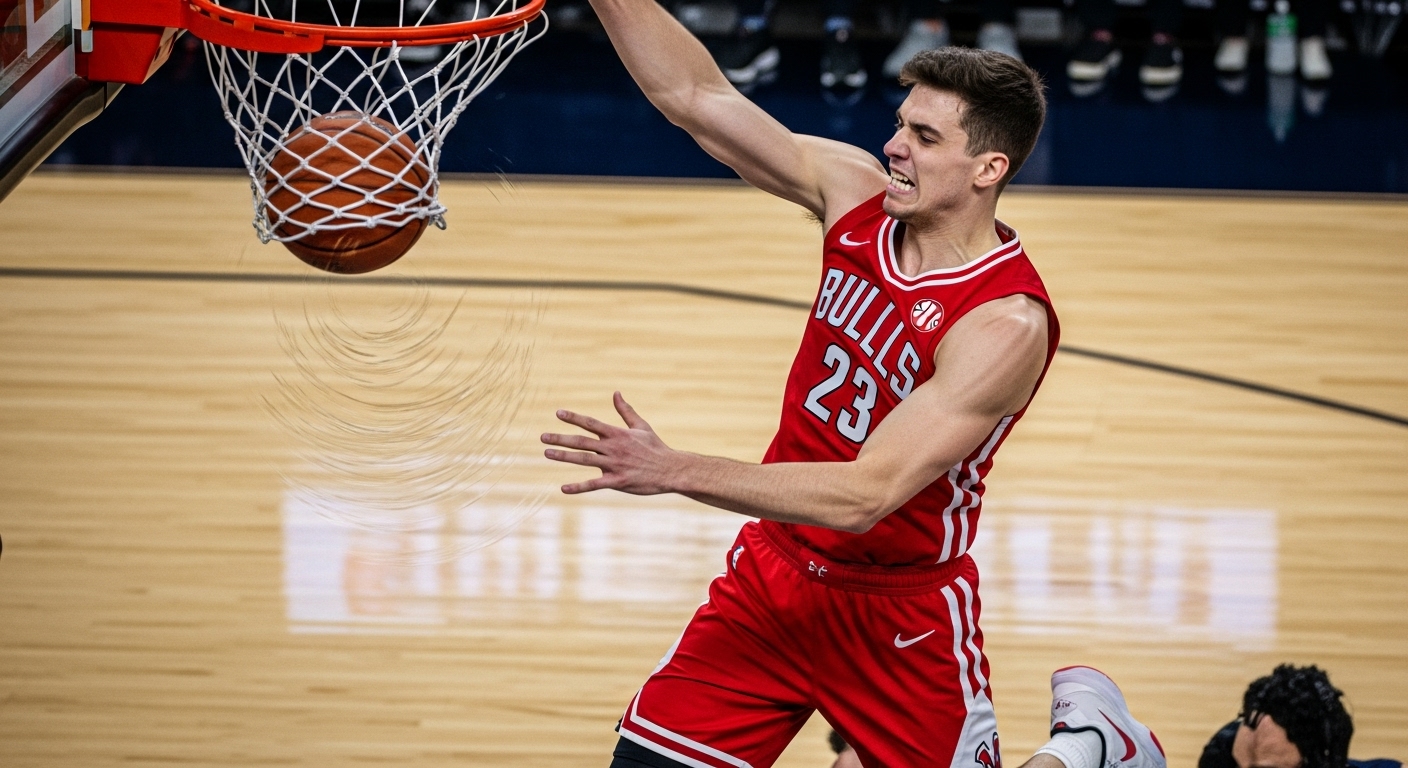
Sports have always been more than just games. They’re a source of entertainment, a platform for personal achievement, and a way for communities to come together. However, in the past decade, sports have undergone significant transformations. These changes are not only enhancing the way we experience the games but also altering the fundamental dynamics of how athletes train, compete, and engage with their fans. From the rise of technology to shifting cultural norms, the world of sports is evolving in ways that would have been unimaginable just a few years ago.
In this blog post, we’ll explore the most prominent trends shaping the future of sports, from innovations in training and performance to the growing emphasis on mental health and fan engagement. As we dive deeper into these shifts, we’ll see how they are not just changing the way athletes play, but also the way we, as fans, experience the thrill of the game.
The Role of Technology in Shaping Modern Sports
Technology has been one of the biggest driving forces in the transformation of sports in recent years. From the way athletes train to how games are analyzed and watched, innovations in tech are making a massive impact across all areas of the sporting world.
Wearable Technology: The New Athlete’s Best Friend
In the world of sports, performance is everything. Athletes are always looking for ways to gain a competitive edge, and wearable technology has emerged as one of the most effective tools for this. Devices like fitness trackers, smartwatches, and heart rate monitors are now staples for athletes across all disciplines.
These wearables collect data on an athlete’s health metrics, such as heart rate, blood oxygen levels, step count, and even sleep quality. By tracking this data, athletes and coaches can gain valuable insights into physical performance, recovery times, and injury prevention. For example, elite soccer players and basketball stars now use GPS trackers during training sessions to monitor how much ground they cover, the intensity of their movements, and how their body reacts to different types of stress. This kind of data-driven insight is revolutionizing how athletes train, helping them push their limits while minimizing the risk of injury.
The Rise of Video Analytics and AI in Sports
AI-driven tools have made significant inroads into performance analysis. Coaches now use video analytics and AI software to break down every movement, every play, and every decision made during a match. These systems analyze everything from player positioning to passing accuracy, helping coaches develop detailed strategies based on real-time data.
For instance, in basketball, AI tools can track player movement on the court and offer suggestions on how to optimize spacing, shot selection, and defensive positioning. This data is then used to create individualized training programs, improving specific aspects of a player’s game.
These technologies are also improving how fans engage with sports. With the integration of augmented reality (AR) and virtual reality (VR), viewers can experience games in new, immersive ways, almost as if they were on the field themselves. The use of 3D match replays, real-time player stats, and AR-assisted highlights has redefined what it means to watch a game. This shift is making it easier for fans to interact with the sport and gain deeper insights into the action.
The Mental Game: A New Focus on Athlete Well-being
The demands of professional sports are immense, and the pressure to perform can take a toll on an athlete’s mental health. Historically, mental health has been overlooked in the world of sports, with athletes often expected to “tough it out” and power through the pressures of competition. However, in recent years, the focus on mental health has become a central conversation in the sporting world.
Breaking the Stigma: Athletes Open Up About Mental Health
Athletes are speaking out more than ever about their mental health struggles, challenging the outdated notion that strength and mental toughness only come from pushing through psychological distress. High-profile athletes like Simone Biles, Michael Phelps, and Naomi Osaka have become vocal advocates for mental health awareness in sports, sharing their experiences with anxiety, depression, and the pressure of performance.
This shift has had a ripple effect, encouraging younger athletes to seek help when they need it and reducing the stigma around mental health in sports. As a result, more teams and organizations are providing athletes with access to mental health professionals, integrating mindfulness and relaxation techniques into training routines, and encouraging athletes to prioritize their well-being both on and off the field.
The Power of Mental Conditioning in Performance
Mental conditioning is now recognized as just as important as physical conditioning. Sports psychologists and coaches are working hand-in-hand to help athletes develop the mental skills necessary to thrive under pressure. Techniques like visualization, cognitive-behavioral strategies, and mindfulness meditation are becoming standard practice for athletes across various disciplines.
The goal is not just to help athletes cope with the stress of competition, but to enhance their ability to focus, maintain composure, and make quick decisions in high-pressure situations. As we continue to learn more about the mind-body connection, the integration of mental training into sports will only grow in importance.
Fan Engagement: The Evolving Relationship Between Athletes and Fans
In today’s digital world, fans are no longer passive spectators—they are active participants in the sports ecosystem. Social media and other digital platforms have radically transformed how fans engage with their favorite teams, athletes, and the sports world in general.
Social Media: The New Fan-Athlete Connection
Social media platforms like Instagram, Twitter, and TikTok have given athletes direct access to their fans, enabling a level of interaction that was never possible before. Fans can now follow their favorite athletes not only during game time but also in their day-to-day lives, getting a glimpse into their training, personal experiences, and behind-the-scenes moments.
This shift has allowed athletes to build their personal brands, connect with fans on a more intimate level, and use their platforms to raise awareness for causes that are important to them. It has also given fans a sense of closeness to the athletes they support, making them feel more connected to the sports they love.
The Rise of Esports: A Digital Revolution
Another significant shift in fan engagement is the meteoric rise of esports. Competitive video gaming has transformed into a billion-dollar industry, with millions of fans tuning in to watch their favorite players and teams compete in games like League of Legends, Dota 2, and Fortnite. Esports tournaments now fill arenas, and live streams on platforms like Twitch attract huge audiences, often rivaling traditional sports broadcasts.
Esports has also opened up new career paths for young athletes, many of whom are starting their competitive gaming journey at a very young age. The rise of esports is not only changing how people consume sports but also expanding the definition of what it means to be an athlete in the modern world.
Sustainability in Sports: A Growing Focus on the Environment
As awareness of environmental issues grows, the sports world is beginning to embrace sustainability. Many sports organizations, teams, and athletes are taking steps to reduce their environmental impact and promote sustainability both in and outside of the stadium.
Green Stadiums and Eco-Friendly Gear
One of the biggest trends is the construction of eco-friendly sports venues. Many stadiums are being designed with sustainability in mind, incorporating solar panels, water recycling systems, and energy-efficient lighting. For instance, the Mercedes-Benz Stadium in Atlanta is one of the first to achieve LEED Platinum certification for its environmental design, and it runs entirely on renewable energy.
Additionally, sports apparel companies are beginning to prioritize sustainability by using recycled materials, reducing waste, and creating clothing that is more environmentally friendly. With athletes and fans alike becoming more conscious of their environmental footprint, these efforts are likely to grow in importance.
Carbon Footprint and Event Management
The environmental impact of large sporting events is also being addressed. Events like the Olympics and World Cup are notorious for their carbon footprints due to travel, infrastructure, and energy consumption. However, recent iterations of these events are placing a stronger emphasis on sustainability. For example, the 2024 Paris Olympics has pledged to be the first “carbon-neutral” Games, aiming to offset the emissions from both the preparation and execution of the event.
As the global conversation around climate change continues, the sports industry is likely to adopt even more environmentally conscious practices, from carbon-neutral events to the promotion of sustainable behaviors among athletes and fans.
Conclusion: The Future of Sports Is Full of Possibilities
The world of sports is constantly evolving, and the changes we’re seeing today are just the beginning. Whether it’s the integration of cutting-edge technology, the focus on mental health, or the growing interaction between athletes and fans, modern sports are becoming more dynamic and inclusive than ever before.
As we look to the future, the next generation of athletes, coaches, and fans will continue to shape the way we experience and engage with sports. The game is changing, and it’s an exciting time to be part of this transformation. Whether you’re an athlete pushing the limits of performance or a fan watching from the stands or screen, the future of sports promises to be nothing short of revolutionary.
Leave a Reply