Introduction
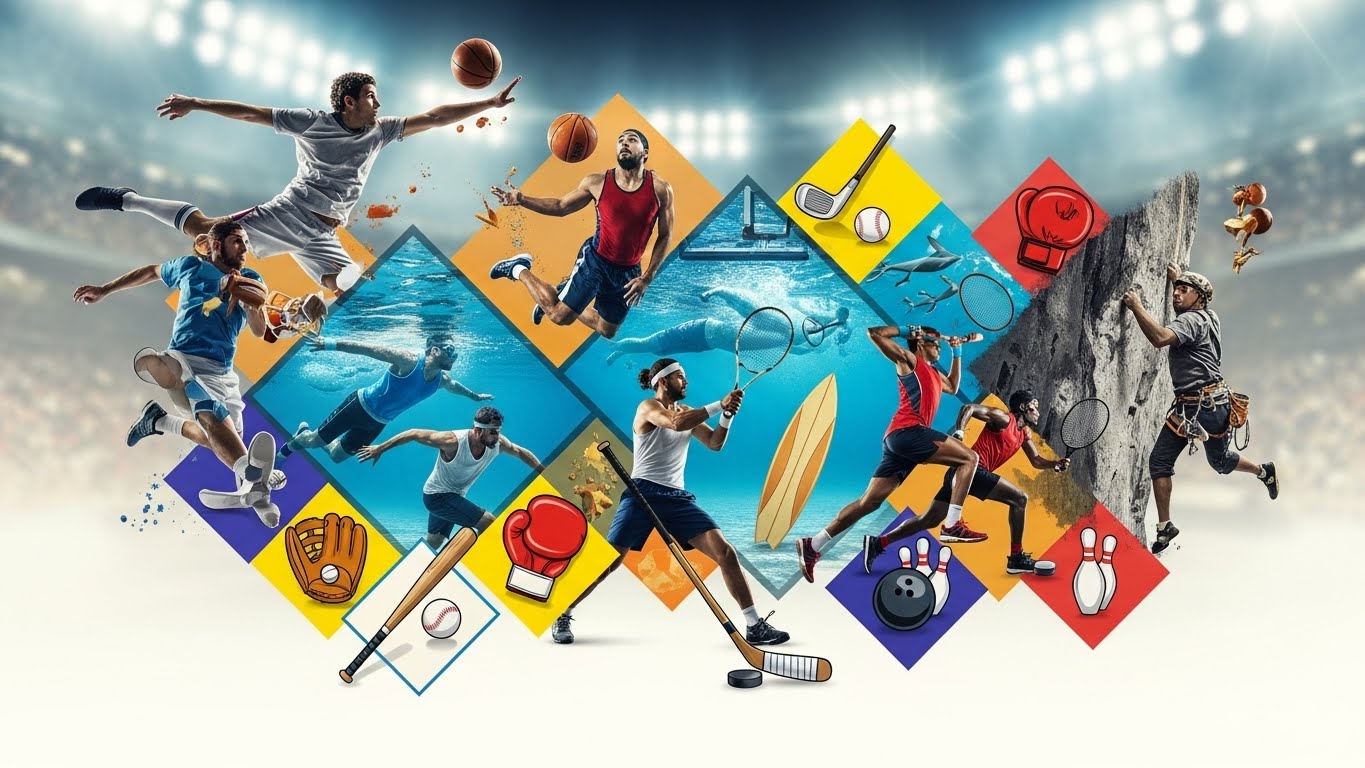
Sports have always been more than just games. From the earliest Olympic competitions in ancient Greece to modern professional leagues, sports have shaped societies, influenced cultures, and inspired individuals across generations. They are a powerful tool for physical fitness, mental resilience, social connection, and cultural expression. Whether played professionally or casually, sports have a profound impact on individuals and communities alike. This blog explores the multifaceted world of sports, examining their historical evolution, physical and mental benefits, social and cultural significance, and the future of athletic pursuits.
The Historical Evolution of Sports
Sports have a long and storied history that reflects the evolution of human civilization. Ancient societies engaged in athletic competitions for religious, social, and recreational purposes. The ancient Olympic Games in Greece, dating back to 776 BC, were both a celebration of athletic prowess and a symbol of cultural pride. Similarly, traditional games in various regions preserved local customs and promoted community engagement. Over time, sports evolved with standardized rules, organized competitions, and professional leagues. Today, sports span local recreational activities, national championships, and international tournaments, reflecting both tradition and modern innovation.
Physical Health Benefits of Sports
Engaging in sports provides numerous physical health benefits. Regular participation strengthens the cardiovascular system, improves muscle tone, and enhances flexibility and coordination. Sports contribute to maintaining healthy body weight, reducing the risk of obesity, diabetes, and heart disease. Team sports, in particular, promote endurance and agility while encouraging strategic movement and coordination with teammates. Even casual participation in sports or recreational activities builds stamina and improves overall physical fitness. The physical advantages of sports extend far beyond performance—they lay the foundation for a healthy lifestyle.
Mental Health and Emotional Well-Being
Sports are equally beneficial for mental health. Physical activity releases endorphins, which help reduce stress, anxiety, and symptoms of depression. Participating in sports also develops discipline, focus, and perseverance, essential traits for personal growth. Team sports encourage communication, collaboration, and empathy, fostering a sense of community and belonging. Sports also provide a sense of achievement and purpose, boosting confidence and self-esteem. The mental health benefits of sports demonstrate that athletic activity is not only about physical performance but also about nurturing emotional resilience.
The Social Impact of Sports
Sports play a crucial role in building social connections. Fans unite over shared passions, celebrating victories and analyzing performances together. Participation in local leagues or school sports teams fosters friendships, teamwork, and collaboration. Sports events provide a platform for community engagement, cultural exchange, and social interaction. They also serve as vehicles for social change, promoting inclusivity, equality, and awareness of societal issues. Sports unite people across different backgrounds, proving that athletic pursuits have the power to bridge social divides.
Sports and Education
Integrating sports into education has long-lasting benefits. School sports programs teach discipline, time management, and leadership. Students learn to work as a team, navigate challenges, and achieve goals through practice and dedication. Participation in athletics complements academic learning by fostering problem-solving skills, resilience, and ethical behavior. Many educational institutions emphasize sports as part of holistic development, nurturing physical, emotional, and social growth alongside intellectual achievement.
Economic Impact of Sports
The sports industry has a significant economic footprint. Professional leagues, tournaments, and international events generate substantial revenue through ticket sales, merchandise, media rights, and sponsorships. Sports tourism attracts visitors, benefiting local economies. Employment opportunities are created for athletes, coaches, trainers, event managers, and media professionals. Technological innovations, such as sports analytics and broadcasting, also contribute to economic growth. The economic influence of sports extends beyond the field, demonstrating its role as a major driver of financial activity globally.
Technological Advancements in Sports
Technology has transformed the way sports are played, analyzed, and consumed. Wearable devices track player performance, monitor health, and prevent injuries. Video analysis and artificial intelligence improve strategy, training, and player development. Broadcasting technology allows global audiences to watch live events in real time, while virtual and augmented reality provide immersive experiences for fans and athletes alike. Innovations in sports equipment and materials enhance performance and safety. Technology ensures that sports remain competitive, engaging, and accessible to a wider audience.
Cultural Significance of Sports
Sports are deeply intertwined with culture. Iconic athletes become cultural heroes, inspiring people with their achievements, values, and determination. Traditional sports preserve heritage, rituals, and local customs. Large-scale sporting events, such as the Olympics and World Cups, celebrate cultural identity while fostering international understanding. Sports also influence fashion, music, and media, shaping trends and societal attitudes. By reflecting and shaping cultural values, sports serve as both a mirror and a driver of human creativity and expression.
Inclusivity and Diversity in Sports
Modern sports prioritize inclusivity and diversity. Adaptive sports provide opportunities for individuals with disabilities to compete and thrive. Efforts to promote gender equality have increased female participation and leadership in athletics. Community programs encourage youth engagement across different socioeconomic backgrounds, breaking barriers and fostering social integration. Sports emphasize fairness, respect, and teamwork, creating an environment where diversity is celebrated and inclusion is prioritized.
The Psychology of Competitive Sports
Competitive sports require not only physical skill but also mental strength. Athletes face high-pressure situations that demand focus, confidence, and resilience. Visualization, mindfulness, and strategic planning enhance performance and help manage stress. Understanding the psychological aspects of competition teaches valuable life skills, such as perseverance, coping with failure, and sustaining motivation. Mental preparation in sports highlights the importance of holistic development, combining physical training with emotional and cognitive readiness.
Youth Development Through Sports
Sports play a vital role in the growth and development of young people. Youth programs teach discipline, goal-setting, and collaboration while providing a healthy outlet for energy and creativity. Participation reduces the likelihood of engaging in risky behaviors and promotes social engagement. Early exposure to sports builds confidence, leadership abilities, and lifelong habits of physical activity. By nurturing both physical and emotional growth, sports programs help young individuals develop into well-rounded adults.
Globalization of Sports
Sports have become a global phenomenon, connecting fans and athletes worldwide. International leagues, tournaments, and media coverage bring people together, transcending geographic and cultural boundaries. Athletes from diverse backgrounds compete on shared stages, promoting mutual respect and understanding. Digital platforms allow fans to engage with events and teams across the globe, creating a worldwide community of enthusiasts. Globalization has transformed sports into a universal language that unites people through passion, competition, and shared experiences.
The Future of Sports
The future of sports promises continued innovation and growth. Advances in technology, such as artificial intelligence, virtual reality, and wearable devices, will enhance performance, training, and fan experiences. Greater focus on mental health, accessibility, and inclusivity will shape the next generation of athletes. E-sports and digital competitions will expand the definition of sports, combining physical skill, strategy, and digital engagement. As society evolves, sports will continue to reflect cultural values, inspire individuals, and unite communities worldwide.
Conclusion
Sports are far more than competitions or games—they are a powerful force that shapes health, society, culture, and the economy. Participation promotes physical fitness, mental resilience, and emotional well-being. Sports foster social bonds, teach valuable life skills, and celebrate cultural identity. Technological advancements and global connectivity continue to enhance the reach and impact of sports. By engaging in athletics, whether casually or professionally, individuals and communities experience growth, connection, and inspiration. Sports demonstrate the limitless potential of human talent, determination, and collaboration, proving that the value of athletics extends far beyond the field.
Leave a Reply