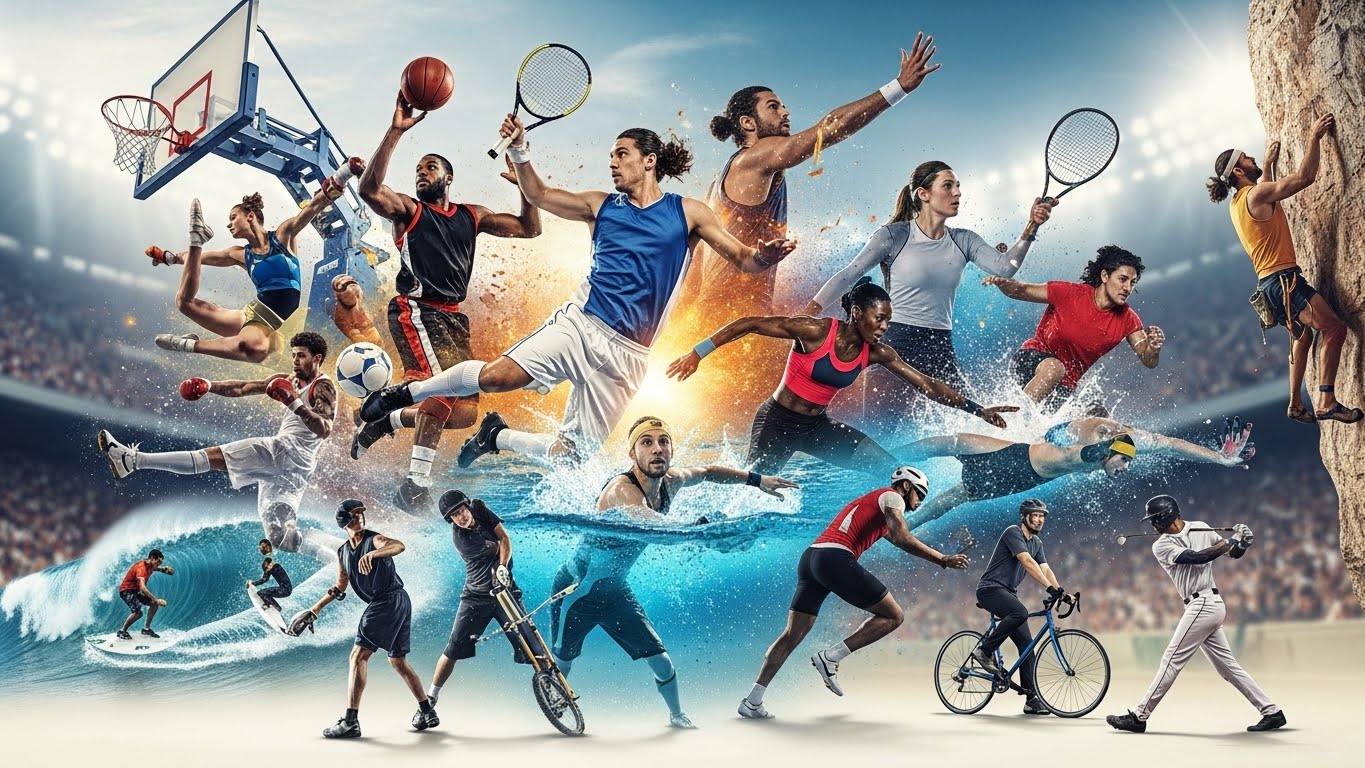
Introduction: The Universal Language of Sports
Sports have always held a special place in human society. From the earliest Olympic Games in ancient Greece to modern professional leagues, sports have transcended borders, languages, and cultures. They serve as a universal language that connects people, instills discipline, and inspires both players and fans alike. While many view sports merely as a form of entertainment or competition, the deeper value lies in the lessons they teach about resilience, teamwork, and personal growth. Whether it is football, basketball, cricket, tennis, or swimming, sports offer a dynamic platform where human potential can be pushed to its limits.
The Physical Benefits of Sports
One of the most immediate and tangible benefits of sports is physical health. Engaging in regular physical activity through sports strengthens the cardiovascular system, improves muscular strength, enhances flexibility, and boosts overall endurance. Activities like running, swimming, or cycling not only burn calories but also improve metabolic efficiency. Sports also help in reducing the risk of chronic diseases such as obesity, diabetes, and hypertension. Beyond physical health, participating in sports encourages the development of fine and gross motor skills, improving coordination and agility. Athletes often experience higher energy levels, better sleep patterns, and enhanced immune function compared to individuals with a sedentary lifestyle.
Mental and Emotional Impact of Sports
While the physical advantages are significant, the psychological benefits of sports are equally profound. Engaging in sports stimulates the release of endorphins, chemicals in the brain that promote a sense of well-being and reduce stress. Regular participation in sports can help combat anxiety and depression by offering a structured routine and a sense of achievement. Team sports, in particular, foster a sense of belonging and emotional resilience. Individuals learn how to cope with both victories and defeats, enhancing emotional intelligence. Sports also cultivate focus, discipline, and strategic thinking, as athletes must constantly assess situations, make split-second decisions, and adapt to changing circumstances.
Teamwork and Social Skills
Sports are not only about individual performance; they are a powerful medium for building teamwork and social skills. Participating in team sports such as football, hockey, or volleyball teaches players how to collaborate effectively, communicate clearly, and respect others’ perspectives. Leadership qualities emerge as players take responsibility for guiding teammates and making crucial decisions under pressure. Even individual sports like tennis or gymnastics foster social interaction through competitions and training sessions. The camaraderie developed through sports often extends beyond the field, helping individuals forge lasting friendships and a supportive community. Sports create a sense of shared purpose, where success depends not only on personal skill but also on collective effort.
The Role of Sports in Character Development
Sports serve as a microcosm of life, offering valuable lessons that extend far beyond the playing field. They teach perseverance, determination, and the importance of hard work. Athletes learn to set goals, handle setbacks, and remain motivated in the face of adversity. This ability to bounce back from failure is an essential life skill, applicable to academics, careers, and personal relationships. Sports also instill a sense of fairness, respect for rules, and ethical conduct. The discipline required to maintain rigorous training schedules and follow structured strategies reinforces time management and responsibility. These experiences collectively shape an individual’s character, fostering qualities that are admired in all aspects of society.
Sports as a Cultural Phenomenon
Throughout history, sports have played a crucial role in shaping cultures and societies. Major sporting events, such as the Olympics, World Cups, or national leagues, often unite nations and bring communities together. Sports can act as a platform for promoting national pride, celebrating cultural diversity, and inspiring collective enthusiasm. Traditional games and indigenous sports reflect the unique heritage of different regions, preserving history and promoting cultural identity. Moreover, sports have the power to break social barriers and promote inclusion. They create opportunities for marginalized groups to gain recognition and foster social equality, making sports a vital tool for societal development.
Technological Advancements and Their Impact on Sports
In recent years, technology has revolutionized the way sports are played, analyzed, and consumed. From wearable devices that monitor health metrics to sophisticated video analytics that enhance performance, technology has made sports more precise and competitive. High-speed cameras, virtual reality simulations, and artificial intelligence have changed training methods, enabling athletes to study opponents and refine techniques in ways that were previously unimaginable. Even fans benefit from technological advancements, enjoying immersive experiences through live broadcasts, interactive apps, and real-time statistics. While the essence of sports remains rooted in physical skill and strategy, technology continues to expand the boundaries of human achievement.
The Economic Significance of Sports
Sports have grown into a multi-billion-dollar global industry, contributing significantly to national and local economies. Professional leagues, sponsorships, broadcasting rights, merchandise, and tourism generate immense revenue. Sporting events create employment opportunities, boost infrastructure development, and stimulate small businesses around venues. Beyond financial aspects, sports serve as a career pathway for athletes, coaches, and support staff, providing long-term professional stability. Additionally, sports drive investment in youth programs and grassroots initiatives, ensuring that talent is nurtured from an early age. The economic impact of sports highlights its importance not only as recreation but also as a catalyst for growth and prosperity.
Sports and Education: A Symbiotic Relationship
Sports and education share a mutually beneficial relationship. Schools and colleges integrate sports into their curricula to promote holistic development. Participation in athletics enhances academic performance by improving concentration, cognitive function, and time management skills. Student-athletes often learn the value of balancing multiple responsibilities, fostering maturity and independence. Educational institutions provide a structured environment for talent development, while sports encourage life skills such as leadership, resilience, and ethical conduct. Scholarships and athletic programs further open doors for higher education, demonstrating how sports can empower individuals to achieve personal and professional goals.
The Global Appeal of Sports
One of the most remarkable aspects of sports is their global appeal. Major events attract millions of viewers worldwide, transcending language and geographical barriers. Iconic athletes become role models, inspiring generations to pursue excellence. Sports diplomacy often fosters international cooperation, with competitions serving as a platform for dialogue and goodwill. Fans celebrate the thrill of victory, the agony of defeat, and the spectacle of skill, creating a shared experience that connects humanity. Whether through local matches in small towns or grand stadiums hosting international tournaments, sports maintain a universal charm that unites people across cultures and generations.
Conclusion: More Than Just a Game
Sports are far more than a form of entertainment; they are a reflection of human spirit, determination, and creativity. From enhancing physical and mental health to building social bonds and shaping character, the benefits of sports are vast and multifaceted. They act as a catalyst for personal growth, cultural expression, and economic development, demonstrating their integral role in society. In a world often divided by differences, sports remain a powerful unifying force, reminding us that collaboration, perseverance, and passion can overcome challenges both on and off the field. Engaging in sports, whether as a player or a fan, allows individuals to experience the joy of achievement, the lessons of failure, and the thrill of competition. Ultimately, sports embody the essence of life itself: dynamic, unpredictable, and exhilarating.
Leave a Reply