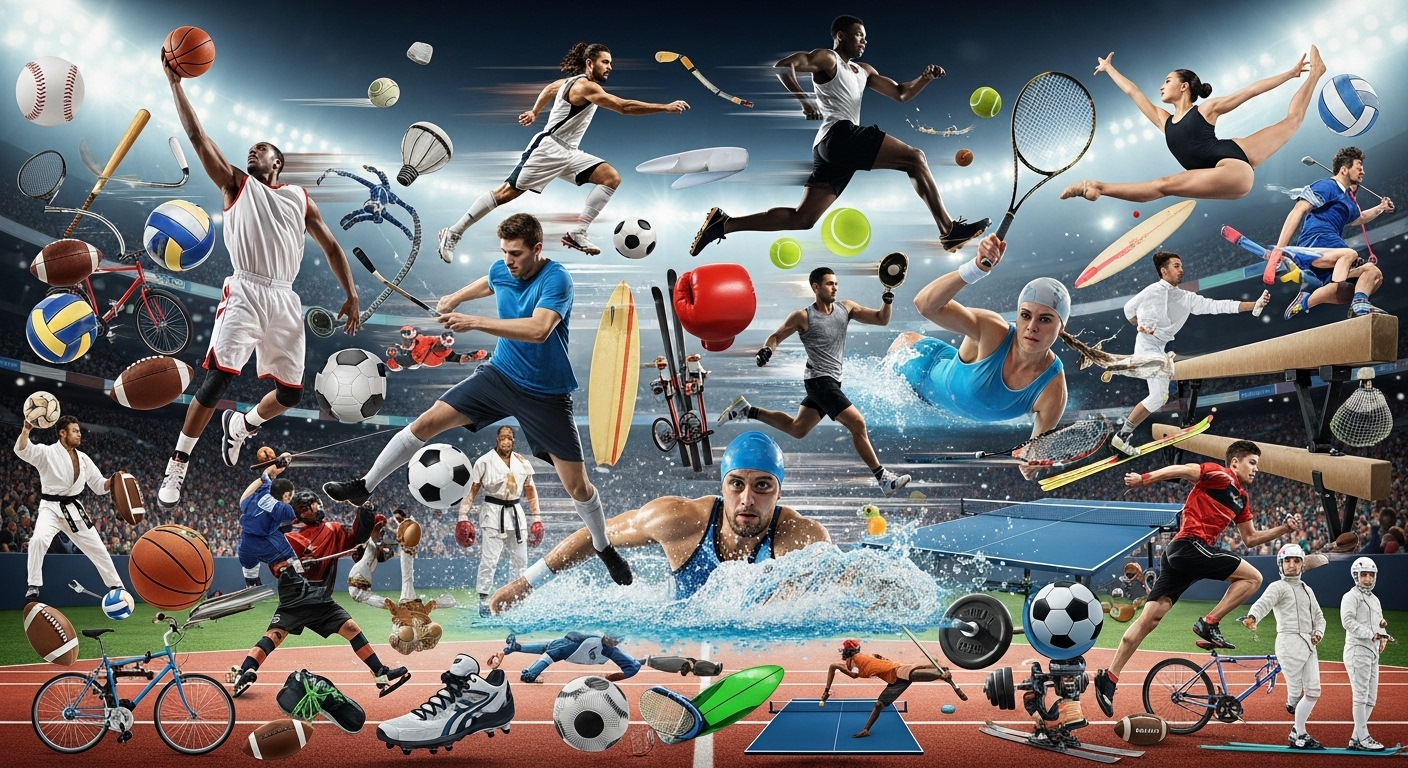
Sports have been an integral part of human culture for millennia. From the ancient civilizations of Greece and Rome to the modern Olympic Games, sports have not only been a form of entertainment but also a medium to test human endurance, skill, and spirit. Over time, sports have evolved, embracing technology, improving training methodologies, and diversifying into numerous disciplines that cater to all kinds of athletes.
In this blog post, we’ll take a deep dive into the significance of sports, how they’ve evolved, and the many ways they impact our lives today.
The Beginnings: Ancient Sports and Their Influence
The history of sports stretches back to ancient civilizations, where physical competitions were often tied to religious ceremonies, warfare training, or simply recreational activities. The ancient Greeks were among the first to formalize the concept of sports in a way that we recognize today.
The Ancient Olympics
The Ancient Greek Olympics, held every four years in Olympia, were the epitome of athletic competition. The Games celebrated physical prowess in events like running, wrestling, and the pentathlon, which included events such as discus throw and javelin. The victors in these competitions were considered heroes, and their achievements were celebrated through sculptures, poems, and various forms of public recognition.
The Olympics were more than just an athletic contest—they were a symbol of unity among the Greek city-states, where competitors from different regions would come together to showcase their skills. These Games set the foundation for the modern Olympic movement, which would emerge centuries later.
The Roman Influence
While the Greeks set the stage for organized sports, the Romans were responsible for popularizing gladiatorial combat and various forms of entertainment in the Colosseum. Though these events were more brutal than what we consider sports today, they were central to Roman culture. The gladiators, often slaves or prisoners, would fight in arenas for the entertainment of the public, demonstrating strength, endurance, and courage.
Although not “sports” in the traditional sense, the gladiator games inspired the importance of public spectacles and competitions, paving the way for modern professional sports and entertainment industries.
The Birth of Modern Sports: 19th Century and Beyond
The 19th century saw a dramatic shift in the world of sports. While the ancient civilizations had laid the groundwork, it wasn’t until the 1800s that sports as we know them today truly began to take shape. This era saw the birth of many organized sports, the development of standardized rules, and the formation of governing bodies.
The Rise of Team Sports
In the 1800s, many of the team sports we recognize today—such as soccer, baseball, and rugby—began to formalize their rules and gain popularity. This period also saw the establishment of national and international competitions.
Soccer
The formation of the English Football Association in 1863 was a pivotal moment in the history of soccer (or football, as it is called in many parts of the world). With the creation of standardized rules, soccer quickly became one of the most popular sports globally. The establishment of the first international tournament, the FIFA World Cup in 1930, would cement soccer’s position as the world’s most beloved sport.
Baseball
Baseball, which originated in the United States, also gained traction in the 19th century. The establishment of the National League in 1876 gave baseball an organized structure. As it spread to other countries, particularly Japan, it became a major part of global sporting culture.
Rugby
Rugby evolved from soccer in the early 19th century and quickly gained followers in England and parts of the British Empire. Today, rugby is not only a significant sport in countries like New Zealand, South Africa, and Australia but also boasts numerous international competitions, including the Rugby World Cup.
Individual Sports: The Quest for Personal Glory
While team sports grew in popularity, individual sports also flourished during this time, particularly in the realm of athletics, tennis, and boxing.
Tennis
Tennis traces its origins to 12th-century France, but it wasn’t until the late 19th century that it became a globally recognized competitive sport. The Wimbledon Championships, first held in 1877, is now one of the four Grand Slam events in tennis and remains one of the most prestigious tournaments in the sport.
Boxing
Boxing, often referred to as the “sweet science,” has ancient roots in Greece, but it evolved significantly in the 19th century. Modern boxing became more regulated with the introduction of the Marquess of Queensberry Rules in 1867, which laid down the basic structure for what would become the sport we know today.
Sports in the 20th Century: A Global Phenomenon
The 20th century marked a golden era for sports, with globalization, technological advancements, and mass media contributing to the exponential growth of sports around the world.
The Olympics: A New Era
The modern Olympic Games, reintroduced by Pierre de Coubertin in 1896, began to grow exponentially in popularity as new sports were added and more nations participated. The Olympic Games not only showcased athletic excellence but also promoted international peace and unity, becoming a global stage for athletes to display their talents.
With the inclusion of women’s events in the Olympics in 1900 and the continuous expansion of disciplines, the Games reflected the changing world, where sports were no longer limited to a select few nations.
The Rise of Professional Sports
The 20th century also saw the rise of professional sports leagues and the commercialization of sport. The creation of leagues like Major League Baseball in the United States, the English Premier League in soccer, and the National Basketball Association (NBA) revolutionized how sports were viewed and consumed.
Television and the Sports Boom
Television became one of the key factors in the explosion of sports’ popularity in the 20th century. With the advent of televised broadcasts, games could be shared with millions of viewers worldwide. Iconic athletes such as Muhammad Ali, Michael Jordan, and Pelé became global superstars, their images and performances beamed into living rooms everywhere.
Sports broadcasting also created the opportunity for sponsorships, advertisements, and merchandising, turning athletes into brands and creating a multi-billion-dollar industry.
The Impact of Technology on Modern Sports
The 21st century has seen even further advancements, primarily driven by technology. Sports have been transformed through innovations in training, performance analysis, fan engagement, and broadcasting.
Training and Performance Enhancement
One of the most significant technological advancements in sports is the use of data analytics. With the advent of sensors, motion tracking, and wearable technology, athletes can now monitor their physical conditions in real-time. Coaches use data analytics to tailor training programs, optimize nutrition, and reduce injury risks.
Wearable Technology
Wearables such as smartwatches, heart rate monitors, and GPS trackers are now commonplace in professional sports. These tools provide athletes with valuable insights into their performance, helping them track everything from calories burned to heart rate variability, giving them a competitive edge.
Video Analysis
Another technological leap is the use of video analysis, which helps athletes break down their movements and improve technique. In professional sports, video replay has become indispensable for both performance enhancement and ensuring fairness through systems like VAR (Video Assistant Referee) in soccer or Hawk-Eye technology in tennis.
Enhanced Fan Experience
Technology has not only improved the athletes’ experience but also the fans’. The rise of streaming platforms, mobile apps, and interactive broadcasting has given fans unprecedented access to their favorite sports. Fans can now watch games from anywhere in the world, follow real-time statistics, and even interact with athletes and teams via social media.
Additionally, virtual and augmented reality are starting to find their place in the sports industry, offering fans immersive experiences, such as virtually attending a game or analyzing match data in real-time through augmented lenses.
The Future of Sports: Trends to Watch
As we move further into the 21st century, the landscape of sports continues to evolve. The future of sports promises to be even more dynamic, with emerging trends and innovations shaping how we play, watch, and engage with sports.
Esports: A Digital Revolution
One of the most exciting developments in recent years has been the rise of esports. Competitive video gaming, often referred to as esports, has rapidly gained a global following. Major tournaments are now broadcasted live, and esports athletes compete for multimillion-dollar prize pools.
Esports is not just a niche hobby—it has become a mainstream phenomenon, attracting millions of fans and investment from major companies. It has already become one of the fastest-growing segments of the sports industry.
Sustainability in Sports
Another trend to watch is the growing focus on sustainability in sports. As environmental concerns become more pressing, sports organizations are looking for ways to reduce their carbon footprint, promote green initiatives, and make their events more eco-friendly. From electric buses for teams to sustainable stadiums, the future of sports is likely to be more environmentally conscious.
Conclusion: Sports as a Universal Language
From ancient rituals to modern spectacles, sports have always been about more than just the physical competition. They are a reflection of our culture, our values, and our shared human experience. As sports continue to evolve, they will remain a cornerstone of human society, bringing people together, inspiring excellence, and pushing the boundaries of what we can achieve.
Leave a Reply