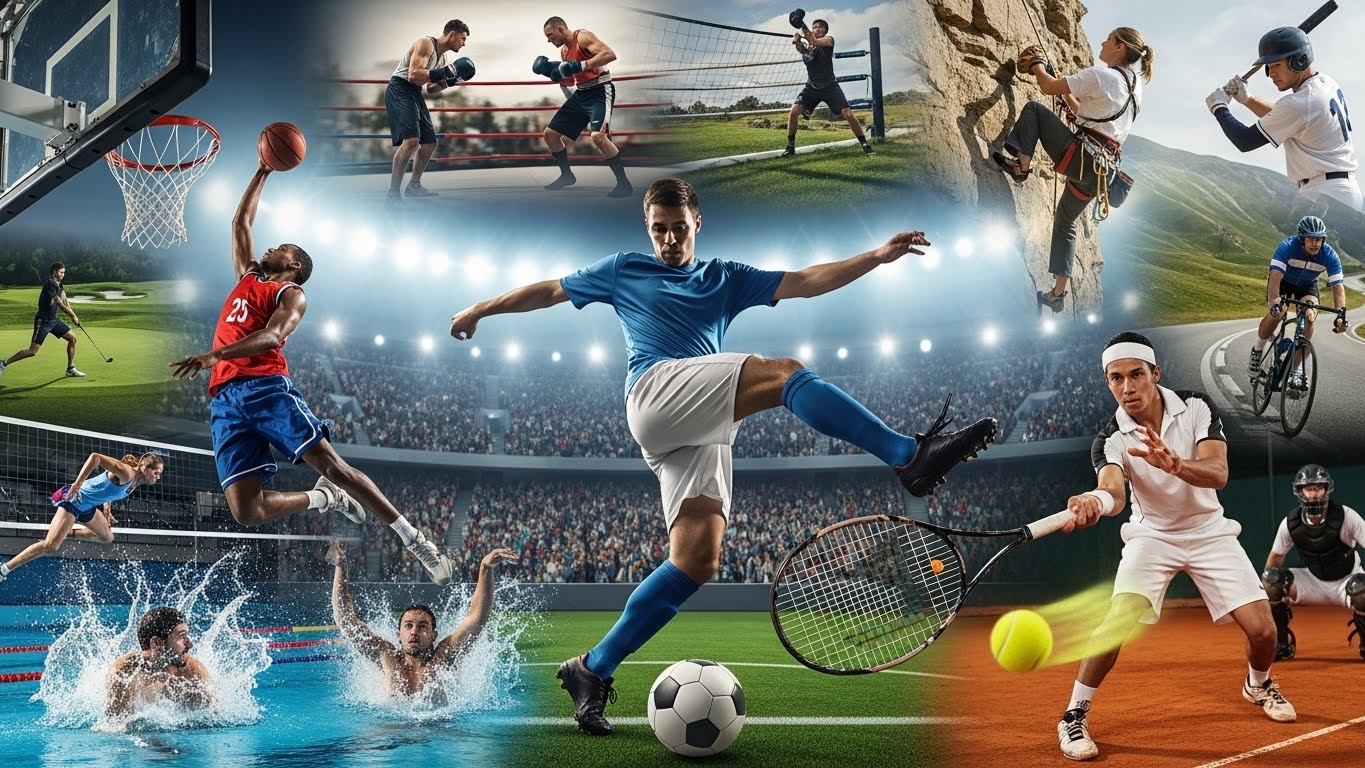
Introduction: The Universal Language of Sports
Sports have always held a unique place in human society. From the earliest civilizations, when people competed in physical contests to demonstrate skill and strength, to the modern era with stadiums filled with tens of thousands of cheering fans, sports have been a central aspect of culture and human connection. What makes sports remarkable is their ability to transcend language, culture, and geography. Whether it is a neighborhood game of football, a global tennis tournament, or a marathon in a bustling city, sports bring people together, evoke emotion, and teach lessons that extend far beyond the playing field.
The Physical Benefits of Sports Participation
Engaging in sports has clear physical benefits. Regular activity helps build strength, improve cardiovascular health, enhance flexibility, and maintain a healthy weight. Beyond these tangible effects, sports often encourage long-term habits of fitness and healthy living. Individuals who participate in sports are more likely to develop endurance, coordination, and agility, which contribute to overall physical well-being. These benefits are not limited to elite athletes; anyone can experience the positive impact of regular activity, from children developing foundational skills to adults seeking to maintain vitality and energy. Physical health through sports forms the cornerstone of a balanced life and promotes longevity.
The Mental Edge: How Sports Strengthen the Mind
While physical advantages are obvious, sports also offer profound mental and emotional benefits. Participation in sports enhances cognitive function, improves focus, and teaches important life skills such as patience, discipline, and perseverance. The mental challenge of developing strategies, making split-second decisions, and coping with pressure mirrors challenges in everyday life. Athletes learn resilience through practice and competition, building the ability to overcome setbacks and manage stress. Sports also provide a healthy outlet for emotional expression, helping reduce anxiety and boost mood. The mental fortitude gained through sports often translates into professional and personal growth, making it an essential component of holistic well-being.
Teamwork and Social Skills: Lessons Beyond the Field
One of the most valuable aspects of sports is their ability to teach teamwork and cooperation. Whether it is a soccer team coordinating passes or a basketball team executing plays, sports demand communication, trust, and mutual respect. Athletes learn to understand their roles, appreciate the strengths of others, and work toward a common goal. These lessons extend into social and professional life, where collaboration and effective communication are equally important. Additionally, sports foster friendships and social bonds, creating a sense of community. The camaraderie experienced on the field often translates into lasting relationships that enrich life beyond the game.
The Role of Sports in Youth Development
For young people, sports are more than just recreation—they are a platform for learning essential life skills. Children involved in organized sports develop discipline, time management, and goal-setting abilities. They learn to handle both success and failure gracefully, gaining emotional intelligence that serves them throughout life. Sports also encourage self-confidence, especially when children achieve milestones or contribute meaningfully to a team. Participation in sports provides structure, reduces exposure to negative influences, and offers a constructive outlet for energy and creativity. By instilling values such as perseverance and fairness, youth sports shape individuals who are well-prepared for challenges in education, careers, and personal growth.
The Evolution of Sports Technology
Technology has dramatically changed the landscape of sports, from training methods to performance analysis. Advanced analytics allow coaches and players to understand strengths and weaknesses more accurately. Wearable devices track heart rate, speed, and movement patterns, enabling athletes to fine-tune training and reduce the risk of injury. Video analysis tools allow athletes to study technique and strategy, often leading to performance breakthroughs. Even equipment, from shoes to racquets, has evolved with material science innovations, enhancing performance and safety. The integration of technology ensures that sports are not only more competitive but also more accessible and engaging for athletes and fans alike.
Sports and Cultural Unity
Sports have an unparalleled ability to unite people across cultures. Global events like the Olympics or international football tournaments bring together fans and athletes from around the world, creating shared experiences and cultural exchange. Local sports leagues and community events similarly foster inclusion and belonging. These moments of connection demonstrate that competition does not have to divide; it can promote mutual understanding, respect, and celebration of diversity. Sports act as a bridge between communities, reminding humanity of shared values such as fairness, dedication, and the joy of achievement.
Women in Sports: Breaking Barriers and Inspiring Generations
The growth of women’s participation in sports has been one of the most inspiring developments of recent decades. Female athletes continue to break records, challenge stereotypes, and inspire millions. Increased visibility of women in professional sports encourages equality and provides role models for young girls aspiring to pursue athletic careers. The rise of women’s sports is not only a matter of representation but also of redefining societal perceptions of strength, skill, and determination. As female athletes gain recognition and respect, sports become more inclusive, offering equal opportunities for talent to shine regardless of gender.
Economic and Community Impact of Sports
Sports have significant economic and social impacts on communities. Major sporting events generate revenue for local businesses, create jobs, and attract tourism. Even smaller-scale leagues foster economic activity, as venues, equipment providers, and service industries benefit from local engagement. Beyond economics, sports contribute to social cohesion, offering a source of pride, excitement, and shared identity. Neighborhood leagues, school competitions, and community fitness programs create a sense of belonging and encourage civic participation. Sports, therefore, are not only a personal or entertainment pursuit but a driver of community development and social well-being.
The Importance of Fair Play and Sportsmanship
Integrity and ethics are central to the value of sports. Fair play and sportsmanship ensure that competition remains meaningful and inspiring. Respecting opponents, following rules, and displaying humility in victory and defeat foster positive behavior both on and off the field. Moments of exemplary sportsmanship, such as helping a rival player after an injury, highlight the human capacity for empathy and integrity. Sports teach that success is not only measured by wins or records but by character, effort, and respect for the game and others. This ethical dimension reinforces the moral lessons that sports impart across all age groups.
The Emotional Journey of Fans
Fans play a crucial role in the sports experience. Their support, enthusiasm, and emotional investment transform competitions into communal events. The highs of victory and the lows of defeat create shared experiences that bind communities, families, and even nations. Fan engagement contributes to the cultural richness of sports, as rituals, chants, and celebrations reflect identity, tradition, and loyalty. Beyond entertainment, fandom offers emotional release, a sense of belonging, and opportunities for social interaction. The passion of fans demonstrates that sports are not just a personal pursuit but a collective experience that brings meaning and excitement to everyday life.
Sports as a Vehicle for Personal Transformation
For many, sports become a pathway to personal growth. Regular participation fosters discipline, resilience, and goal-oriented behavior. Achieving milestones in sports builds self-esteem and motivates individuals to pursue new challenges. Sports offer structure, a sense of purpose, and an opportunity to cultivate both physical and mental strength. Whether training for a marathon, participating in a team league, or engaging in recreational activities, individuals often find that sports transform their outlook on life, providing motivation, confidence, and a deeper understanding of personal potential.
Conclusion: The Enduring Power of Sports
Sports remain one of the most dynamic and influential forces in human life. They challenge us physically, strengthen us mentally, unite communities, and inspire personal growth. Beyond competition, sports embody values of integrity, teamwork, resilience, and joy. They are a universal language, capable of bridging cultures and generations, and their lessons extend far beyond the playing field. As long as humans seek challenge, passion, and connection, sports will continue to thrive as a source of excitement, inspiration, and transformation, shaping lives and communities for generations to come.
Leave a Reply