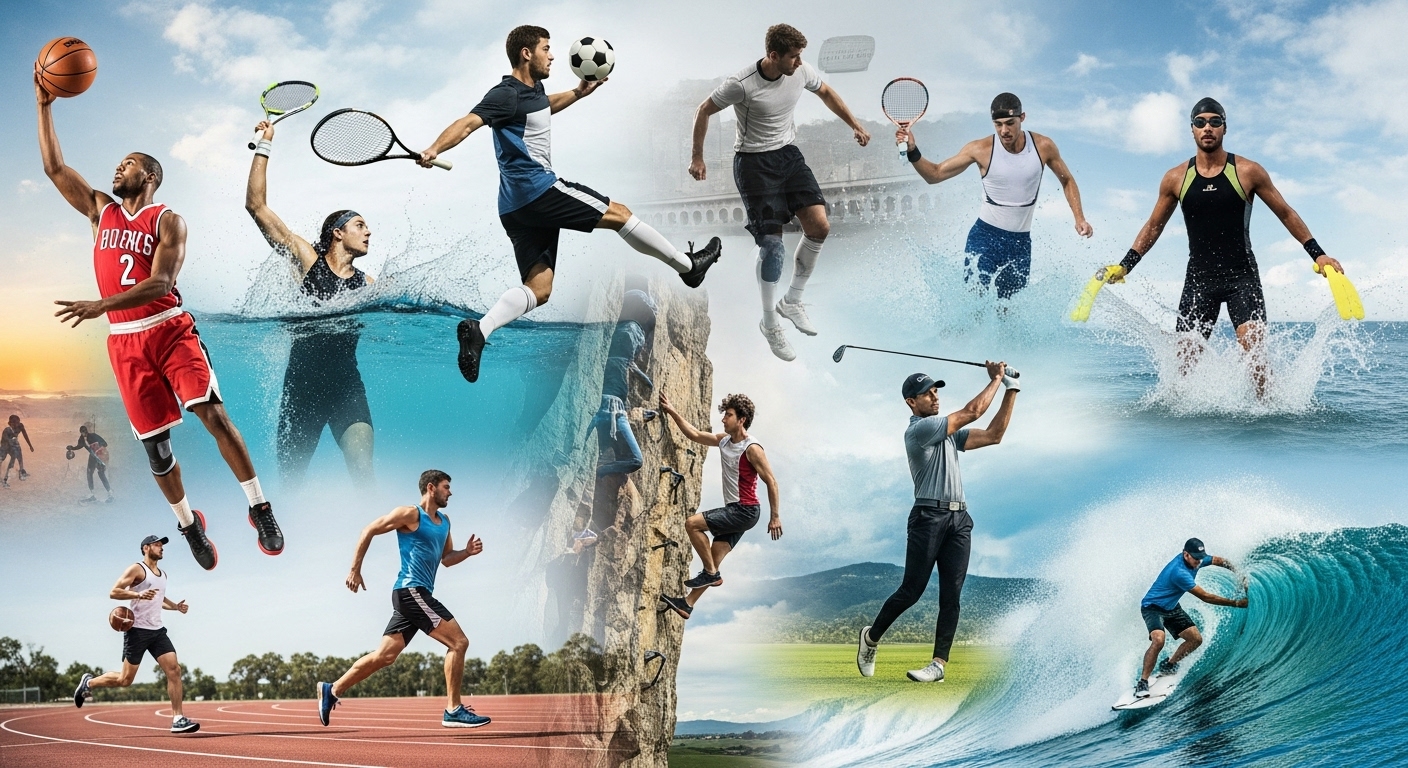
Sports are often celebrated for their spectacle and excitement. The roar of the crowd, the last-minute goals, and the feeling of triumph when a team or individual conquers the competition. However, behind every match, event, and victory, there lies a deeper, often untold story—a story about hard work, sacrifice, resilience, and the power of sport to shape individuals, communities, and even entire nations. This blog aims to explore the aspects of sports that often go unnoticed, shedding light on the unseen forces that make sports much more than just a game.
The Journey Behind the Glory: An Athlete’s Sacrifice
The most visible aspect of sports is undoubtedly the performance—the final score, the wins, the losses. But what people often forget is that these moments are the result of years, even decades, of hard work. The training, the sacrifices, the sweat, and the grind are all part of the journey that leads an athlete to success.
Athletes don’t just show up on game day. They live and breathe their sport, dedicating countless hours to training, refining their skills, and pushing their limits. Professional swimmers, for instance, may spend up to six hours a day in the pool. Football players often undergo intense physical conditioning, not only to build strength but also to prevent injuries that could end their careers prematurely.
This commitment comes at a price. Athletes often miss family gatherings, social events, and other life experiences, as their focus remains fixed on their training and competition. The pressure to perform at the highest level can take a toll on mental health, with many athletes battling anxiety, depression, or burnout. Yet, despite these challenges, the love for the sport and the desire to succeed keeps them moving forward, day in and day out.
The Mental Game: Strength Beyond Physical Limits
While physical strength is essential in sports, mental strength often makes the difference between an athlete’s success or failure. In many ways, it’s the mind that defines an athlete’s ability to overcome challenges, stay focused under pressure, and perform at their best.
Consider an elite tennis player who, in the final moments of a Grand Slam, needs to deliver a winning serve. The physical preparation is vital, but it’s the mental focus, the ability to stay calm, and the confidence to execute under pressure that truly matters. Likewise, in sports like basketball, where games are decided in the last few seconds, it’s not just the skill set that matters—it’s the mindset.
Top athletes practice mental techniques such as visualization, mindfulness, and cognitive conditioning to enhance their performance. These practices help them deal with the stress of competition, the weight of expectations, and the fear of failure. Mental resilience is often what separates champions from the rest, allowing them to rise above difficult situations and seize victory when it counts the most.
The Power of Teamwork: Unity in Motion
While individual athletes often shine in the spotlight, most sports are a team effort. Whether it’s soccer, basketball, rugby, or any other team-based sport, success is rarely achieved by one person alone. The concept of teamwork is one of the most powerful forces in sports, teaching athletes to work together, support each other, and collaborate toward a common goal.
Team sports demand trust, communication, and mutual respect. A successful team is one that understands each other’s strengths and weaknesses, communicates openly, and adjusts to challenges as they arise. The camaraderie built in the locker room, the shared victories, and the collective defeats shape the experience of every athlete.
In many ways, sports teach us the importance of collaboration in everyday life. Just like in the workplace or in family dynamics, understanding that every person has a unique role to play and working together towards a shared goal is what leads to success. The lessons learned on the field often transcend the game itself, helping individuals build stronger, more cohesive communities off the field as well.
The Global Influence of Sports: A Bridge Between Cultures
Sports have a unique ability to unite people across cultural, linguistic, and geographic boundaries. In a world often divided by politics and social issues, sports provide a common ground for individuals and nations to come together. Whether it’s the Olympics, the World Cup, or any other international competition, the power of sports to bring people together cannot be overstated.
Global sporting events showcase the best of human talent, creating an environment where people from different nations can celebrate each other’s accomplishments. For example, the Olympic Games bring together thousands of athletes from over 200 countries, all competing on the same stage. Fans from all over the world cheer for their teams and athletes, experiencing moments of joy and heartbreak together.
Beyond the competition, sports also act as a bridge for diplomacy. A shared love for a sport can help ease tensions between nations, fostering relationships that go beyond politics. Events like “ping-pong diplomacy” between the United States and China in the 1970s or the historic meeting of North and South Korean athletes at the 2018 Winter Olympics serve as examples of how sports can play a role in creating peace and fostering understanding.
The Business of Sports: More Than Just Athletes
In the modern world, sports are not just about the athletes; they are also a massive business. The sports industry generates billions of dollars annually through sponsorships, media rights, merchandise sales, and ticketing. Major leagues and sporting events are global enterprises that employ thousands of people, from coaches and trainers to marketers and broadcasters.
With this growth, however, comes a new set of challenges. The business side of sports often puts pressure on athletes, coaches, and teams to perform, leading to increased commercialization of what were once pure forms of competition. Player transfers, media contracts, and endorsement deals now play an integral role in the world of sports, shaping everything from team strategies to fan engagement.
While this business model has helped elevate sports to new heights, it has also brought attention to issues like athlete exploitation, the balance between profit and integrity, and the commercialization of youth sports. As much as sports are a vehicle for entertainment, they are also a business that requires careful navigation to maintain the integrity of the game.
Sports and Social Change: A Platform for Advocacy
Sports have long been a platform for social change, offering athletes the opportunity to speak out on important societal issues. The power of sport to influence public opinion and inspire action has been evident throughout history. From the civil rights movement to contemporary conversations around racial injustice, athletes have used their platform to challenge the status quo and advocate for change.
Iconic moments, such as Muhammad Ali’s stance against the Vietnam War, Jackie Robinson breaking the color barrier in baseball, and Colin Kaepernick kneeling during the national anthem, highlight the intersection of sports and social activism. These actions not only raised awareness of critical issues but also sparked wider societal conversations about equality, justice, and human rights.
In this way, sports go beyond competition. They become a stage for addressing the challenges and inequalities that affect society. Athletes, through their courage and influence, show the world that sports are not just about winning—they can also be a powerful force for positive change.
Conclusion: The Legacy of Sports
Sports, at their core, are much more than just games or competitions. They are a testament to human spirit, resilience, and unity. From the sacrifices athletes make to the lessons learned through teamwork, from the mental battles to the global influence of major events, sports encompass a wide range of experiences that shape not just the individuals involved but society as a whole.
In the end, sports remind us of the importance of perseverance, the power of collaboration, and the ability to transcend boundaries. Whether it’s through the excitement of the game, the stories of personal triumphs, or the global unity they inspire, sports will continue to be a mirror of the human experience—showing us not only what we can achieve but what we can become, together.
Leave a Reply