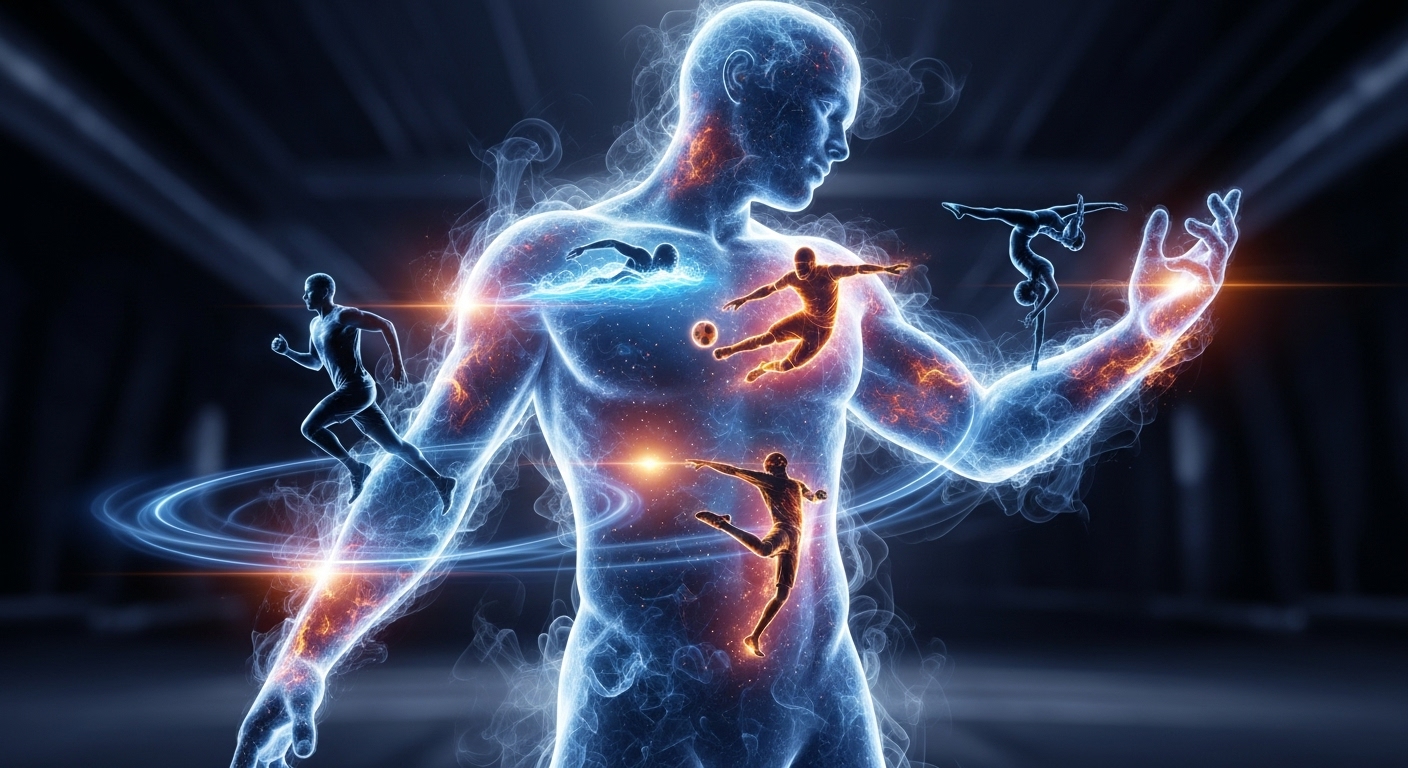
Sports have always been more than a pastime. They are a language of passion, a celebration of human strength, and a bridge that connects cultures and generations. Across the world, from the roaring stadiums of football to the silent greens of golf, sports inspire, challenge, and unite billions of people. They push the boundaries of what is humanly possible and shape societies in ways that transcend the playing field.
This blog explores the vast universe of sports — its history, its influence on society, the psychology behind athletic success, and its evolving future in the modern era.
The Origins of Sports: From Ancient Games to Modern Arenas
Sports have been part of human civilization since ancient times. Archaeological evidence shows that competitive activities such as wrestling, running, and javelin throwing were practiced thousands of years ago. The early Egyptians, Greeks, Romans, and Chinese all developed their own versions of athletic contests — not only for entertainment but also to prepare warriors for battle.
The ancient Olympic Games in Greece, held as early as 776 BCE, symbolize the birth of organized sport. These competitions celebrated physical excellence and honored the gods, particularly Zeus. Athletes trained for years to earn glory for their city-states, and winning an olive wreath was considered one of the highest honors. The Olympic spirit — striving for excellence, fairness, and unity — remains alive even today in the modern Games.
In contrast, ancient Rome turned sports into grand spectacles. Gladiator battles in the Colosseum were brutal and deadly, but they captivated massive audiences. Meanwhile, in Asia, martial arts flourished as both physical discipline and spiritual practice, shaping cultures and philosophies for centuries.
Over time, these early games evolved. The Renaissance period saw the revival of athletic pursuits for recreation and education. By the 19th century, industrialization and urbanization gave rise to organized clubs, professional teams, and standardized rules — marking the dawn of modern sports as we know them.
The Global Language of Sports
One of the most remarkable things about sports is their ability to transcend language, politics, and cultural barriers. A soccer match in Brazil, a cricket test in India, or a basketball game in the United States can all evoke the same emotions of thrill, pride, and heartbreak.
Sports unite people under shared goals. Whether it’s a local school team or a global event like the FIFA World Cup, the collective experience of cheering, celebrating, or even mourning a loss creates bonds that cut across social divides. In times of tension, sports can even act as diplomatic tools. The famous “Ping Pong Diplomacy” between the United States and China in the 1970s helped thaw Cold War relations — proving that a simple game could carry enormous political weight.
The universality of sports is also seen in how easily they adapt and integrate into cultures. Rugby found its way into New Zealand’s Maori identity. Baseball became a cultural emblem in Japan. Cricket transformed into a national obsession in countries like India, Pakistan, and Australia. Everywhere, people find in sports a mirror of their identity and a channel for collective expression.
The Psychology of Athletes: Mind Over Matter
Behind every great athlete lies a combination of physical ability and mental strength. The psychology of sports plays an equally important role in determining success. Champions are not made by muscles alone; they are forged through discipline, resilience, and the power of the mind.
Sports psychology explores how motivation, confidence, focus, and emotional control influence performance. Many athletes visualize their success before it happens. Visualization techniques, goal setting, and mindfulness have become vital tools for professionals across all disciplines.
Take the example of tennis legends like Serena Williams or Novak Djokovic. Their ability to stay composed under immense pressure has often been the difference between victory and defeat. Similarly, long-distance runners and endurance athletes rely on mental toughness to push through pain and exhaustion.
The psychological aspect also extends to teamwork. In sports like football, basketball, or volleyball, coordination, communication, and mutual trust are essential. Coaches today emphasize emotional intelligence and leadership qualities just as much as physical conditioning.
Interestingly, sports also teach valuable life lessons. Athletes learn how to handle failure, manage stress, and work towards long-term goals — traits that benefit them beyond their careers.
Sports as a Mirror of Society
Sports reflect the social, cultural, and economic structures of the societies they thrive in. They highlight issues like equality, representation, and access to opportunities.
In the past century, sports have become powerful arenas for social change. The breaking of racial barriers, for instance, was symbolized by figures like Jackie Robinson, who became the first African American to play Major League Baseball in the modern era. His courage and success opened doors for countless others.
The struggle for gender equality has also played out dramatically in the sports world. Women athletes have fought for equal pay, recognition, and access to facilities. The success of icons like Billie Jean King, Simone Biles, and Megan Rapinoe has inspired generations to challenge outdated norms. Title IX in the United States, passed in 1972, revolutionized women’s sports by ensuring equal opportunities in schools and colleges.
Furthermore, sports often bring attention to broader societal challenges. Athletes have used their platforms to speak out about mental health, racism, and political injustice. Colin Kaepernick’s protest during the national anthem, for example, sparked global conversations about racial inequality and freedom of expression. These moments prove that sports are not isolated from society — they are an active part of its ongoing dialogue.
The Economic Power of Sports
The global sports industry is one of the most lucrative sectors in the world today. It encompasses professional leagues, broadcasting rights, sponsorships, merchandise, tourism, and technology. From billion-dollar football clubs to local gyms, the economic ripple effect of sports is enormous.
Major sporting events such as the Olympics, FIFA World Cup, and Super Bowl generate massive revenue for host countries and cities. They boost infrastructure development, tourism, and global visibility. For example, the 2012 London Olympics revitalized entire neighborhoods, while the 2022 World Cup in Qatar showcased modern architectural marvels.
Professional athletes themselves are among the highest-paid individuals in the world. Stars like Lionel Messi, LeBron James, and Roger Federer earn millions not only from contracts but also from endorsements and personal brands. This commercial aspect of sports has created a vast entertainment economy that employs millions — from coaches and trainers to media professionals and event organizers.
However, the economics of sports also raise important questions. Issues such as corruption, unfair labor practices, and excessive commercialization challenge the integrity of competition. Balancing profit with fairness remains one of the modern industry’s greatest dilemmas.
Technology and the Evolution of Sports
Technology has transformed every aspect of sports — from training and performance analysis to fan engagement and broadcasting. Modern athletes benefit from innovations that were unimaginable a few decades ago.
Wearable devices track heart rate, sleep, and movement, giving coaches real-time data to fine-tune training programs. High-speed cameras and motion sensors allow detailed analysis of techniques. Sports medicine has advanced tremendously, reducing recovery time from injuries and extending athletic careers.
Video Assistant Referee (VAR) systems, goal-line technology, and instant replays have made competitions fairer by minimizing human error. Meanwhile, virtual reality is being used to simulate game situations, helping players train mentally for real-world challenges.
For fans, technology has created immersive experiences. Live streaming, fantasy leagues, and augmented reality have brought the game closer to audiences than ever before. Social media platforms allow direct interaction between athletes and supporters, creating a more personal connection.
The next frontier lies in artificial intelligence and data analytics. Teams now use predictive models to scout talent, plan strategies, and even prevent injuries. Esports, once dismissed as niche entertainment, has exploded into a billion-dollar industry, blurring the line between physical and digital competition.
The Spirit of Competition and Fair Play
At its heart, sports are about competition — but also about respect. The concept of fair play is what makes competition meaningful. It emphasizes honesty, teamwork, and respect for opponents and rules.
Unfortunately, history has also witnessed dark moments — doping scandals, match-fixing, and corruption — that tarnish the purity of competition. The doping controversies surrounding cycling and athletics serve as reminders of the constant battle between integrity and temptation.
Yet, for every scandal, there are countless examples of sportsmanship that restore faith in humanity. When tennis player Rafael Nadal stopped a match to check on an injured ball girl or when runners help each other across the finish line, they show that true greatness lies not in victory but in humanity.
Fair play teaches moral values that extend far beyond sports. It reminds us that how we play the game is as important as whether we win or lose.
The Role of Sports in Education and Youth Development
Sports play a crucial role in shaping young minds and building character. Schools and universities around the world integrate physical education as part of holistic learning because sports teach teamwork, discipline, and perseverance.
Youth sports programs help children develop confidence, leadership, and social skills. They also encourage healthy lifestyles and combat issues like obesity and screen addiction. Beyond the physical benefits, participation in sports builds resilience — the ability to handle setbacks and bounce back stronger.
For many young athletes, sports also serve as a pathway to education and opportunity. Scholarships and community programs open doors to higher education and careers. In developing regions, sports initiatives often double as tools for social inclusion, empowerment, and peacebuilding.
The Global Icons: Legends Who Changed the Game
Every generation produces heroes who redefine excellence. Their achievements inspire millions and leave legacies that endure long after retirement.
Muhammad Ali was not just a boxing champion but a symbol of courage, conviction, and social justice. His charisma and outspokenness made him a global figure far beyond the ring. Similarly, Pele and Diego Maradona transformed football into an art form, captivating the world with their creativity and passion.
In the modern era, athletes like Usain Bolt, Michael Phelps, and Serena Williams have set new benchmarks of greatness. Their records speak of relentless hard work and unshakable belief. Each of them represents the limitless potential of human achievement.
Legends are not confined to the field of play alone. Coaches, managers, and mentors — from Phil Jackson in basketball to Sir Alex Ferguson in football — have shaped teams and cultures with their vision and leadership.
The Dark Side of Sports
While sports bring joy and unity, they also have a darker side that cannot be ignored. Issues like exploitation, mental health struggles, and corruption continue to haunt the industry.
The intense pressure to perform can take a toll on athletes’ mental well-being. The stories of Naomi Osaka and Simone Biles highlight the importance of mental health awareness in elite sports. These athletes showed that taking care of the mind is just as crucial as training the body.
Corruption and match-fixing scandals, particularly in football and cricket, have damaged public trust. Doping remains a persistent threat to the integrity of competition. Additionally, the commercialization of youth sports and the financial exploitation of players in certain regions expose deeper structural problems.
Addressing these challenges requires systemic change, transparency, and a renewed focus on ethics. Sports organizations must prioritize welfare over profit to preserve the spirit of fair competition.
The Future of Sports: A Changing Landscape
The future of sports is being shaped by globalization, technology, and changing social values. As the world becomes more connected, the boundaries between cultures and disciplines continue to blur.
Women’s sports are on a powerful rise, gaining more visibility, sponsorship, and audience engagement. The success of the Women’s World Cup, WNBA, and female athletes across various disciplines is reshaping perceptions and creating new role models.
Sustainability is also becoming a priority. Major events now strive to minimize their environmental footprint, promoting eco-friendly practices and awareness. Digital transformation is revolutionizing fan experiences — from virtual stadiums to AI-driven content personalization.
Esports and virtual competitions are redefining what it means to be an athlete. While traditionalists may question their legitimacy, there’s no denying that millions of young people find community and challenge in competitive gaming.
The future will also see sports play a bigger role in mental health, inclusivity, and education. Adaptive sports for people with disabilities are gaining recognition, emphasizing that athletic excellence knows no physical limitation.
Conclusion: The Enduring Power of Sports
Sports capture the essence of the human spirit — the desire to strive, to overcome, and to connect. They are a microcosm of life itself, filled with triumphs, defeats, and the relentless pursuit of greatness.
Whether it’s the roar of a packed stadium, the quiet focus of a lone athlete, or the laughter of children playing in a park, sports continue to remind us of what it means to be alive. They build bridges where walls once stood, teach values where words fall short, and inspire hope where it is most needed.
The world of sports is not just about competition. It is about community, passion, and shared humanity. As long as there are hearts that beat faster at the sound of a whistle or the sight of a finish line, the spirit of sports will continue to unite the world — one game at a time.
Leave a Reply